
 E-submission
Search
- Page Path
- HOME > Search
- Multistaining Optimization for Epstein-Barr Virus–Encoded RNA In Situ Hybridization and Immunohistochemistry of Formalin-Fixed Paraffin-Embedded Tissues Using an Automated Immunostainer
- Jae Nam Ko, Jin Kyoung Jung, Yun Ik Park, Hwa Jeong Shin, Jooryung Huh, Sol Back, Yu Jin Kim, Jae Ho Kim, Heounjeong Go
- J Pathol Transl Med. 2019;53(5):317-326. Published online August 27, 2019
- DOI: https://doi.org/10.4132/jptm.2019.08.06
- 9,975 View
- 130 Download
- 4 Web of Science
- 3 Crossref
-
 Abstract
 PDF
PDF Supplementary Material
 - Background
Single staining is commonly performed for practical pathologic diagnoses. However, this method is limited in its ability to specify cellular morphology and immunophenotype and often requires consumption of limited tissue. This study aimed to describe an optimized protocol for multiple in situ hybridization (ISH) and immunohistochemistry (IHC).
Methods
The quality of multistaining was evaluated by carefully changing each step of ISH and IHC in an angioimmunoblastic T-cell lymphoma (AITL) case on a Ventana BenchMark XT automated immunostainer. The optimized protocols were also performed using another immunostainer and in 15 cases of five Epstein-Barr virus (EBV)–associated malignancies using formalin-fixed paraffin-embedded tissue.
Results
The quality of various ISHIHC staining protocols was semi-quantitatively evaluated. The best EBV-encoded RNA (EBER)-ISH/double IHC staining quality, equivalent to single staining, was obtained using the following considerations: initial EBER-ISH application, use of protease and antigen retrieval reagent (cell conditioning 1 [CC1] treatment time was minimized due to impact on tissue quality), additional baking/ deparaffinization not needed, and reduced dilution ratio and increased reaction time for primary antibody compared with single immunostaining. Furthermore, shorter second CC1 treatment time yielded better results. Multiple staining was the best quality in another immunostainer and for different types of EBV-associated malignancies when it was performed in the same manner as for the Ventana BenchMark XT as determined for AITL.
Conclusions
EBER-ISH and double IHC could be easily used in clinical practice with currently available automated immunostainers and adjustment of reagent treatment time, dilution ratio, and antibody reaction time. -
Citations
Citations to this article as recorded by
- Clinicopathologic Analysis of 34 Japanese Patients With EBV-Associated Reactive Lymphoid Hyperplasias
Yuuki Yamamoto, Akira Satou, Taishi Takahara, Daisuke Yamashita, Masafumi Seki, Akari Iwakoshi, Yusuke Ueda, Yasufumi Masaki, Kanae Yoshikawa, Hideki Murakami, Seiichi Kato, Kennosuke Karube, Shigeo Nakamura, Toyonori Tsuzuki
American Journal of Surgical Pathology.2026; 50(3): 366. CrossRef - Ultra High-plex Spatial Proteogenomic Investigation of Giant Cell Glioblastoma Multiforme Immune Infiltrates Reveals Distinct Protein and RNA Expression Profiles
Shilah A. Bonnett, Alyssa B. Rosenbloom, Giang T. Ong, Mark Conner, Aric B.E. Rininger, Daniel Newhouse, Felicia New, Chi Q. Phan, Saskia Ilcisin, Hiromi Sato, John S. Lyssand, Gary Geiss, Joseph M. Beechem
Cancer Research Communications.2023; 3(5): 763. CrossRef - Detection of Epstein–Barr Virus in Periodontitis: A Review of Methodological Approaches
Lilit Tonoyan, Marlène Chevalier, Séverine Vincent-Bugnas, Robert Marsault, Alain Doglio
Microorganisms.2020; 9(1): 72. CrossRef
- Clinicopathologic Analysis of 34 Japanese Patients With EBV-Associated Reactive Lymphoid Hyperplasias
- The Usefulness of Immunocytochemistry of CD56 in Determining Malignancy from Indeterminate Thyroid Fine-Needle Aspiration Cytology
- Hyunseo Cha, Ju Yeon Pyo, Soon Won Hong
- J Pathol Transl Med. 2018;52(6):404-410. Published online October 15, 2018
- DOI: https://doi.org/10.4132/jptm.2018.09.20
- 10,435 View
- 178 Download
- 8 Web of Science
- 7 Crossref
-
Abstract
PDF
- Background
Fine-needle aspiration cytology serves as a safe, economical tool in evaluating thyroid nodules. However, about 30% of the samples are categorized as indeterminate. Hence, many immunocytochemistry markers have been studied, but there has not been a single outstanding marker. We studied the efficacy of CD56 with human bone marrow endothelial cell marker-1 (HBME-1) in diagnosis in the Bethesda System for Reporting Thyroid Cytopathology (TBSRTC) category III.
Methods
We reviewed ThinPrep liquid-based cytology (LBC) samples with Papanicolaou stain from July 1 to December 31, 2016 (2,195 cases) and selected TBSRTC category III cases (n = 363). Twenty-six cases were histologically confirmed as benign (six cases, 23%) or malignant (20 cases, 77%); we stained 26 LBC slides with HBME-1 and CD56 through the cell transfer method. For evaluation of reactivity of immunocytochemistry, we chose atypical follicular cell clusters.
Results
CD56 was not reactive in 18 of 20 cases (90%) of malignant nodules and showed cytoplasmic positivity in five of six cases (83%) of benign nodules. CD56 showed high sensitivity (90.0%) and relatively low specificity (83.3%) in detecting malignancy (p = .004). HBME-1 was reactive in 17 of 20 cases (85%) of malignant nodules and was not reactive in five of six cases (83%) of benign nodules. HBME-1 showed slightly lower sensitivity (85.0%) than CD56. The specificity in detecting malignancy by HBME-1 was similar to that of CD56 (83.3%, p = .008). CD56 and HBME-1 tests combined showed lower sensitivity (75.0% vs 90%) and higher specificity (93.8% vs 83.3%) in detecting malignancy compared to using CD56 alone.
Conclusions
Using CD56 alone showed relatively low specificity despite high sensitivity for detecting malignancy. Combining CD56 with HBME-1 could increase the specificity. Thus, we suggest that CD56 could be a useful preoperative marker for differential diagnosis of TBSRTC category III samples. -
Citations
Citations to this article as recorded by- An In‐Depth Evaluation of CD15 Expression in Thyroid Carcinoma: A Comprehensive Systematic Review
Amir Ebrahimzadeh Pasha, Amirhossein Ehsani, Sara Ashtari, Mohammad Sadeq Najafi, Bardia Baik, Mohammad Mahdi Mehrabi
Cancer Reports.2026;[Epub] CrossRef - Adequacy Criteria for Thyroid Fine-Needle Aspiration in the Era of the Bethesda Reporting System
Jin Young Kwak, Sangwoo Cho, Hye Sun Lee, Jung Hyun Yoon, Syed Z. Ali, Soon Won Hong
Yonsei Medical Journal.2026; 67(4): 314. CrossRef - The Effects of Immunocytochemistry on Diagnostic Accuracy in Thyroid Fine Needle Aspiration Cytology: A Retrospective Study
Ali Mızrak, Cansu Benli Işık, Esen Gül Uzuner, Saime Gül Barut
Clinical and Experimental Health Sciences.2025; 15(3): 531. CrossRef - Preoperative evaluation of thyroid nodules – Diagnosis and management strategies
Tapoi Dana Antonia, Lambrescu Ioana Maria, Gheorghisan-Galateanu Ancuta-Augustina
Pathology - Research and Practice.2023; 246: 154516. CrossRef - Immunocytochemistry in thyroid cytology and its multiple roles: a systematic review
Federica Policardo, Pietro Tralongo, Angela Feraco, Federica Vegni, Angela Carlino, Alfredo Pontecorvi, Celestino Pio Lombardi, Marco Raffaelli, Francesco Pierconti, Luigi Maria Larocca, Esther Diana Rossi
Diagnostic Histopathology.2023; 29(8): 386. CrossRef - Paving the path toward multi-omics approaches in the diagnostic challenges faced in thyroid pathology
Isabella Piga, Vincenzo L’Imperio, Giulia Capitoli, Vanna Denti, Andrew Smith, Fulvio Magni, Fabio Pagni
Expert Review of Proteomics.2023; 20(12): 419. CrossRef - CD56 Expression in Papillary Thyroid Carcinoma Is Highly Dependent on the Histologic Subtype: A Potential Diagnostic Pitfall
Uiju Cho, Yourha Kim, Sora Jeon, Chan Kwon Jung
Applied Immunohistochemistry & Molecular Morphology.2022; 30(5): 389. CrossRef
- An In‐Depth Evaluation of CD15 Expression in Thyroid Carcinoma: A Comprehensive Systematic Review
- Loss of Nuclear BAP1 Expression Is Associated with High WHO/ISUP Grade in Clear Cell Renal Cell Carcinoma
- Young Chan Wi, Ahrim Moon, Min Jung Jung, Yeseul Kim, Seong Sik Bang, Kiseok Jang, Seung Sam Paik, Su-Jin Shin
- J Pathol Transl Med. 2018;52(6):378-385. Published online October 1, 2018
- DOI: https://doi.org/10.4132/jptm.2018.09.21
- 11,867 View
- 238 Download
- 14 Web of Science
- 14 Crossref
-
Abstract
PDF
- Background
BRCA1-associated protein 1 (BAP1) mutations are frequently reported in clear cell renal cell carcinoma (ccRCC); however, very few studies have evaluated the role of these mutations in other renal cell carcinoma (RCC) subtypes. Therefore, we analyzed BAP1 protein expression using immunohistochemistry in several RCC subtypes and assessed its relationship with clinicopathological characteristics of patients.
Methods
BAP1 expression was immunohistochemically evaluated in tissue microarray blocks constructed from 371 samples of RCC collected from two medical institutions. BAP1 expression was evaluated based on the extent of nuclear staining in tumor cells, and no expression or expression in < 10% of tumor cells was defined as negative.
Results
Loss of BAP1 expression was observed in ccRCC (56/300, 18.7%), chromophobe RCC (6/26, 23.1%), and clear cell papillary RCC (1/4, 25%), while we failed to detect BAP1 expression loss in papillary RCC, acquired cystic disease-associated RCC, or collecting duct carcinoma. In ccRCC, loss of BAP1 expression was significantly associated with high World Health Organization (WHO)/International Society of Urological Pathology (ISUP) grade (p = .002); however, no significant correlation was observed between loss of BAP1 expression and survival in ccRCC. Loss of BAP1 expression showed no association with prognostic factors in chromophobe RCC.
Conclusions
Loss of BAP1 nuclear expression was observed in both ccRCC and chromophobe RCC. In addition, BAP1 expression loss was associated with poor prognostic factors such as high WHO/ISUP grade in ccRCC. -
Citations
Citations to this article as recorded by- The Role of Homologous Recombination Deficiency (HRD) in Renal Cell Carcinoma (RCC): Biology, Biomarkers, and Therapeutic Opportunities
Alberto Bongiovanni, Pierfranco Conte, Vincenza Conteduca, Matteo Landriscina, Giuseppe Di Lorenzo, Francesco Cognetti
Current Oncology.2025; 32(12): 690. CrossRef - Clinical and Genomic Features of Patients with Renal Cell Carcinoma and Advanced Chronic Kidney Disease: Analysis of a Multi-Institutional Database
Corbin J. Eule, Junxiao Hu, Dale Hedges, Alkesh Jani, Thomas Pshak, Brandon J. Manley, Alejandro Sanchez, Robert Dreicer, Zin W. Myint, Yousef Zakharia, Elaine T. Lam
Cancers.2024; 16(10): 1920. CrossRef - Immune regulation and prognosis indicating ability of a newly constructed multi-genes containing signature in clear cell renal cell carcinoma
Ziwei Gui, Juan Du, Nan Wu, Ningning Shen, Zhiqing Yang, Huijun Yang, Xuzhi Wang, Na Zhao, Zixin Zeng, Rong Wei, Wenxia Ma, Chen Wang
BMC Cancer.2023;[Epub] CrossRef - Radiogenomic Associations Clear Cell Renal Cell Carcinoma: An Exploratory Study
Derek H Liu, Komal A Dani, Sharath S Reddy, Xiaomeng Lei, Natalie L Demirjian, Darryl H Hwang, Bino A Varghese, Suhn Kyong Rhie, Felix Y. Yap, David I. Quinn, Imran Siddiqi, Manju Aron, Ulka Vaishampayan, Haris Zahoor, Steven Y Cen, Inderbir S Gill, Vinay
Oncology.2023; 101(6): 375. CrossRef - Immunohistochemistry for the diagnosis of renal epithelial neoplasms
Mahmut Akgul, Sean R Williamson
Seminars in Diagnostic Pathology.2022; 39(1): 1. CrossRef - BRCA1-Associated Protein 1 (BAP-1) as a Prognostic and Predictive Biomarker in Clear Cell Renal Cell Carcinoma: A Systematic Review
Shuchi Gulati, Melissa Previtera, Primo N. Lara
Kidney Cancer.2022; 6(1): 23. CrossRef - Renal Cell Carcinoma in End-Stage Renal Disease: A Review and Update
Ziad M. El-Zaatari, Luan D. Truong
Biomedicines.2022; 10(3): 657. CrossRef - CD117, BAP1, MTAP, and TdT Is a Useful Immunohistochemical Panel to Distinguish Thymoma from Thymic Carcinoma
Mounika Angirekula, Sindy Y Chang, Sarah M. Jenkins, Patricia T. Greipp, William R. Sukov, Randolph S. Marks, Kenneth R. Olivier, Stephen D. Cassivi, Anja C Roden
Cancers.2022; 14(9): 2299. CrossRef - BAP1 in cancer: epigenetic stability and genome integrity
Sabrina Caporali, Alessio Butera, Ivano Amelio
Discover Oncology.2022;[Epub] CrossRef - Bioinformatic analysis identifying FGF1 gene as a new prognostic indicator in clear cell Renal Cell Carcinoma
Xiaoqin Zhang, Ziyue Wang, Zixin Zeng, Ningning Shen, Bin Wang, Yaping Zhang, Honghong Shen, Wei Lu, Rong Wei, Wenxia Ma, Chen Wang
Cancer Cell International.2021;[Epub] CrossRef - Identification of Four Pathological Stage‐Relevant Genes in Association with Progression and Prognosis in Clear Cell Renal Cell Carcinoma by Integrated Bioinformatics Analysis
Dengyong Xu, Yuzi Xu, Yiming Lv, Fei Wu, Yunlong Liu, Ming Zhu, Dake Chen, Bingjun Bai, Rui Liu
BioMed Research International.2020;[Epub] CrossRef - Functional characterisation guides classification of novel BAP1 germline variants
Jing Han Hong, Siao Ting Chong, Po-Hsien Lee, Jing Tan, Hong Lee Heng, Nur Diana Binte Ishak, Sock Hoai Chan, Bin Tean Teh, Joanne Ngeow
npj Genomic Medicine.2020;[Epub] CrossRef - Tissue-Based Immunohistochemical Markers for Diagnosis and Classification of Renal Cell Carcinoma
Liang G Qu, Vaisnavi Thirugnanasundralingam, Damien Bolton, Antonio Finelli, Nathan Lawrentschuk
Société Internationale d’Urologie Journal.2020; 1(1): 68. CrossRef - Radiogenomics: bridging imaging and genomics
Zuhir Bodalal, Stefano Trebeschi, Thi Dan Linh Nguyen-Kim, Winnie Schats, Regina Beets-Tan
Abdominal Radiology.2019; 44(6): 1960. CrossRef
- The Role of Homologous Recombination Deficiency (HRD) in Renal Cell Carcinoma (RCC): Biology, Biomarkers, and Therapeutic Opportunities
- Immunohistochemistry for Pathologists: Protocols, Pitfalls, and Tips
- So-Woon Kim, Jin Roh, Chan-Sik Park
- J Pathol Transl Med. 2016;50(6):411-418. Published online October 13, 2016
- DOI: https://doi.org/10.4132/jptm.2016.08.08
- 65,535 View
- 2,600 Download
- 358 Web of Science
- 351 Crossref
-
Abstract
PDF
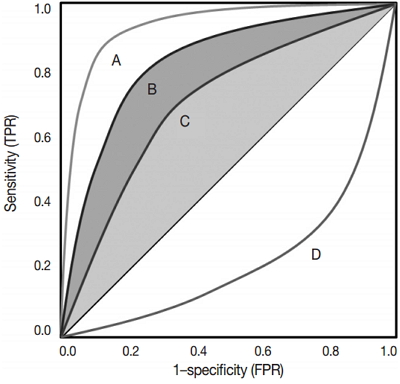
- Immunohistochemistry (IHC) is an important auxiliary method for pathologists in routine diagnostic work as well as in basic and clinical research including exploration of biomarkers, as IHC allows confirmation of target molecule expressions in the context of microenvironment. Although there has been a considerable progress in automation and standardization of IHC, there are still many things to be considered in proper optimization and appropriate interpretation. In this review, we aim to provide possible pitfalls and useful tips for practicing pathologists and residents in pathology training. First, general procedure of IHC is summarized, followed by pitfalls and tips in each step and a summary of troubleshooting. Second, ways to an accurate interpretation of IHC are discussed, with introduction to general quantification and analysis methods. This review is not intended to provide complete information on IHC, but to be used as a basic reference for practice and publication.
-
Citations
Citations to this article as recorded by- Antitumor Activity of the Ethanolic Extract from Syzygium aromaticum in Colorectal Cancer Xenograft Mice
Thunyatorn Yimsoo, Weerakit Taychaworaditsakul, Hathaichanok Chuntakaruk, Worapapar Treesuppharat, Sumet Kongkiatpaiboon, Apipu Ariyachayut, Sunee Chansakaow, Teera Chewonarin, Parirat Khonsung, Seewaboon Sireeratawong
Pharmaceutics.2026; 18(1): 79. CrossRef - Hepatoprotective role of pumpkin seed oil in colchicine-treated rats through redox balance, apoptosis modulation, and anti-fibrotic effects
Yasmina M. Abd-Elhakim, Ezzat F.F. Soliman, Manar A. AbdelMageed, Azza M.A. Abo-Elmaaty, Taghred M. Saber, Nabela I. El-Sharkawy, Gihan G. Moustafa, Fathy Elsayed Abdelgawad, Engy Mohamed Mohamed Yassin
Tissue and Cell.2026; 98: 103128. CrossRef - Expression of Programmed Death-Ligand 1 and Programmed Cell Death-1 Across the Anal Neoplasia Disease Continuum and Association With Survival in Anal Cancer
Sona Chowdhury, Cynthia Gasper, Ann A. Lazar, Kathryn Allaire, Teresa M. Darragh, Lawrence Fong, Joel M. Palefsky
Modern Pathology.2026; 39(1): 100918. CrossRef - Application of Cumulative Threshold Approaches to Tissue Iron Measurement on Histochemical or Synchrotron X-ray Fluorescence Platforms
Chan-An Lin, Elvis Acquah, Jake Brooks, Joanna F. Collingwood, Daniel M. Johnstone, Adrienne E. Milward, Rebecca J. Hood
Chemical & Biomedical Imaging.2026;[Epub] CrossRef - Coenzyme Q10 mitigates Bis(2-ethylhexyl) phthalate-induced hepatorenal toxicity in juvenile rats through antioxidant, anti-apoptotic, and anti-inflammatory mechanisms
Sawsan M.A. El-Sheikh, Naglaa Z.H. Eleiwa, Azza A.A. Galal, Aya E. Makled, Yasmina M. Abd-Elhakim
Tissue and Cell.2026; 99: 103239. CrossRef - Diagnostic Discordance and Error in Breast Pathology: Causes, Classifications, and Medicolegal Implications
Emad A. Rakha, Cecily M. Quinn, Elena Provenzano, Sarah E. Pinder, Ian O. Ellis
Modern Pathology.2026; 39(1): 100942. CrossRef - Biomechanical Phenotyping Reveals Unique Mechanobiological Signatures of Early‐Onset Colorectal Cancer
Nicole C. Huning, Munir H. Buhaya, Victor V. Nguyen, Afeefah Khazi‐Syed, Haider A. Ali, Adil Khan, Angela Fan, Robert C. Fisher, Zhikai Chi, Indu Raman, Guangchun Chen, Chengsong Zhu, Mengxi Yu, Andrew R. Jamieson, Sara Roccabianca, Victor D. Varner, Cher
Advanced Science.2026;[Epub] CrossRef - Effects of intranasal oxytocin administration on histophysiology of the hippocampus in maternally separated adolescent male rats
Parisa Salehi Najafabadi, Ali Shamsara, Vida Mirzaie, Vahid Sheibani, Mahdiyeh Ahmadi, Sara Joushi, Mohsen Basiri
Behavioural Brain Research.2026; 500: 115983. CrossRef - Human Endometriosis Scaffold Can Enhance Cell Seeding and Engraftment; an In Vitro and In Vivo Study
Ashkan Azimzadeh, Roxana Sahmani, Negar Mohammadi Ganjaroudi, Parmida Sadat Pezeshki, Bahareh Mohammadi, Saman Behboodi Tanourlouee, Masoumeh Ekhtiari, Ali Mohebbi, Masoumeh Majidi Zolbin, Abdol-Mohammad Kajbafzadeh
Reproductive Sciences.2026; 33(1): 84. CrossRef - Scientific and Regulatory Policy Committee Points to Consider*: Sample Selection, Assay Design, Data Generation and Interpretation, and Reporting Practices for Chromogenic Immunohistochemical (IHC) Assays in Nonclinical Drug Development
Famke Aeffner, Brad Bolon, Molly H. Boyle, Bernard S. Buetow, Thomas Forest, Kyathanahalli Janardhan, Keith Mansfield, David K. Meyerholz, Shari Price, Marlon C. Rebelatto
Toxicologic Pathology.2026; 54(3): 233. CrossRef - Machine Learning in Biomarker-Driven Precision Oncology: Automated Immunohistochemistry Scoring and Emerging Directions in Genitourinary Cancers
Matthew Yap, Ioana-Maria Mihai, Gang Wang
Current Oncology.2026; 33(1): 31. CrossRef - Histological and immunohistochemical evaluation of tissues from immunodeficient mice with of tumor xenografts following administration of human NK cells
E. V. Abakushina, I. A. Stepanova, S. A. Rumyantsev
Journal of Anatomy and Histopathology.2026; 14(4): 21. CrossRef - Expression of pluripotency stem cell markers in endometrial hyperplasia
Noha A. Mousa, Zeinab Al-Rawi, Amal Hussein, Abdalla Suliman, Ghada Mohammed, Rifat Hamoudi, Suha Al-Naimi
Women's Health.2026;[Epub] CrossRef - The Lysine Demethylase KDM4C Is an Oncogenic Driver and Regulates ERK Activity in KRAS-Mutant Pancreatic Ductal Adenocarcinoma
Menna-t-Allah Shaheen, Sarah Dhebat, Kimal I. Rajapakshe, Bidyut Ghosh, Benson Chellakkan Selvanesan, Shariq S. Ansari, Cara L. Haymaker, Dorsay Sadeghian, Huamin Wang, Ching-Fei Li, Haoqiang Ying, Anirban Maitra
Cancer Research Communications.2026; 6(1): 245. CrossRef - Placental anti-angiogenic and inflammatory markers and postpartum cardiovascular risk following preeclampsia
Erika Elizabeth Mery, Julia Hajjar, Shrreya Sudade, Goutham Vasam, Samantha Benton, Laura Gaudet, Dina El Demellawy, David Grynspan, Shannon Bainbridge
Placenta.2026; 176: 43. CrossRef - Multi-Institutional CT Scan-Based Radiomics for Predicting Tumor PD-L1 Expression in Patients with Advanced and Limited Non-Small Cell Lung Cancer
Ralph Saber, Marion Tonneau, Olivier Salko, Moishe Liberman, Julie Malo, Arielle Elkrief, Simon Turcotte, Nicole Bouchard, Philippe Joubert, Samuel Kadoury, Bertrand Routy
Cancers.2026; 18(4): 552. CrossRef - Isorhamnetin alleviates diet induced MASLD in mice by modulating gut microbiota and bile acid metabolism
Yi Guo, Xiangyang Xu, Aige Han, Fei Song, Yuyi Zhang, Xiaowen Jiang, Wenhui Yu
Phytomedicine.2026; 153: 157987. CrossRef - Prospects for the application of multiplex immunophenotyping in the practice of forensic histological examination
M.V. Fedulova, D.A. Atyakshin, A.A. Gusarov, O.I. Patsap, A.A. Kostin, A.V. Alekhnovich
Forensic Medical Expertise.2026; 69(1): 16. CrossRef - Breast Cancer in Cape Verde: Clinical-Molecular Profile and Impact of an International Treatment Partnership
Pamela Borges, Victor Costa, Hirondina Borges Spencer, Pedro Leite-Silva, Stefani Furtado, Carla Barbosa, Claúdia Pereira, Isabel Dos-Santos-Silva, Lúcio Lara Santos
JCO Global Oncology.2026;[Epub] CrossRef - Progress and promise of pharmacodynamic biomarkers: novel strategies and assay considerations in drug development
Carmen Fernández-Metzler, Karen J. Quadrini, Lakshmi Amaravadi, Stephanie Cape, Jennifer Green, Amanda Hays, Jurre J. Kamphorst, Sreenivas Laxmanan, Alok Pandey, Xiazi Qiu, Ruwini D. Rajapaksha, Mohamed Hassanein
Bioanalysis.2026; 18(1): 91. CrossRef - Enhanced terahertz near-field nanoscopic imaging for label-free assessment of ovarian cancer cells: a preliminary study
Wei Mao, Dan Zhao, Zhaomin Peng, Bin Li
Biomedical Optics Express.2026; 17(4): 1715. CrossRef - Wearable device for detection and elimination of cancer cells at inception: birth of a new era
Kambiz Afrasiabi
Journal of Cancer Biology.2026; 7(1): 3. CrossRef - Diagnostic Techniques Used in Veterinary Oncology: Useful but with Problems. What Can A Veterinary Oncologist Do?
Iniobong Chukwuebuka Ikenna Ugochukwu, Jacinta Ngozi Omeke, Samson James Enam, Iasmina Luca, Mary Oluwatomisin Elijah, Onyinyechukwu Ada Agina
Macedonian Veterinary Review.2026; 49(1): 5. CrossRef - SENP3 drives colorectal cancer progression by enhancing GDF15 expression
Yang Yu, Wenfang Bao, Jingde Chen, Yandong Li, Yong Gao
International Journal of Colorectal Disease.2026;[Epub] CrossRef - Therapeutic Mechanisms of Sanhuang Xiexin Decoction in Severe Acute Pancreatitis-Associated Lung Injury: Modulation of the NF-κB Signaling Pathway
Ying Hou, Hui Wang, Hongju You, Yuanxia Zou
Pancreas.2026; 55(4): e368. CrossRef - Measuring blood–brain barrier dysfunction: a critical appraisal of fluid biomarkers, in vitro models, in vivo imaging, and post‐mortem approaches
Shakira A. van der Panne, Helena Durrant, Jannis F. Heuer, Ivana Kancheva, Arno Stellingwerf, Lieuwe T. K. M. Verkaar, Damon Verstappen, Pascalle Mossel, Walter H. Backes, Erik N. T. P. Bakker, Jurgen A. H. R. Claassen, Marcel M. Verbeek, Louise van der W
Alzheimer's & Dementia.2026;[Epub] CrossRef - Hit-and-run hypothesis: revisiting the impact of EBV in malignancies
Tamara Mangiaterra, Paola Chabay, Cristiana Bellan, Stefano Lazzi, Noel Onyango, Pankaj Trivedi, Paul Murray, Lucia Mundo, Eleni Anastasiadou
Frontiers in Immunology.2026;[Epub] CrossRef - Spatial omics insights into tumor myeloid cells: roles in tumorigenesis, prognosis, and therapy
Bugi Ratno Budiarto, Pimpin Utama Pohan
Molecular Biology Reports.2026;[Epub] CrossRef - Exploring the immune landscape of melanoma of the lower female genital tract
Yuetong Li, Lamia Sabry Aboelnasr, George Lockett, Srdjan Saso, Mona El-Bahrawy
Virchows Archiv.2026;[Epub] CrossRef - Therapy-Induced Senescence Shapes Extracellular Matrix Niches and Fibroblast Function in Head and Neck Squamous Cell Carcinoma
Jetsy Montero-Vergara, Piotr W. Darski, Amy L. Harding, Keith D. Hunter
Cancers.2026; 18(7): 1126. CrossRef - Artificial intelligence–assisted FTIR spectroscopy for hormone receptor subtyping in formalin-fixed breast Cancer tissues
Renee George, Cherry Anne Serrano, Jasmine Thea Garong, Kathryn Magsanay, Aleezah Claire Maguigad, Maxene Alexandra De Castro, Andrea Noelle Navarro, Gabrielle Ricci Mandac, Kenaiah Ramos, Maura Isais, Peter Guillen Abanador, Norely Gil, Maria Sarah Lenon
Spectrochimica Acta Part A: Molecular and Biomolecular Spectroscopy.2026; 357: 127781. CrossRef - Comprehensive Overview of Gastric Cancer Immunohistochemistry: Key Biomarkers, Advanced Detection Methods, and Perspectives
Bogdan Oprea
Medicina.2026; 62(4): 683. CrossRef - Enhanced tumor immunohistochemical detection using a protein A-fused Pyrococcus furiosus ferritin carrier with drastically reduced antibody amount
Fengjiao Fang, Xiang Xu, Changqian Cao, Yongxin Pan
Nanomedicine: Nanotechnology, Biology and Medicine.2026; 74: 102941. CrossRef - Automated detection of basement-membrane breaches in oral squamous cell carcinoma : A comparative study of convolutional neural network architectures
S. Samyuktha Aarthi, Monal Yuwanati, Pradeep Kumar Yadalam
Journal of Oral Biology and Craniofacial Research.2026; 16(3): 101449. CrossRef - Next-Generation Disease Profiling by Integrating Histopathology with Spatial Multi-Omics Data
Priyank Patel, Alexander Klimowicz
The American Journal of Pathology.2026;[Epub] CrossRef - Design of a Modular Cyber-Physical Architecture for Multiplex Histological Staining
Igor Kabashkin, Aleksandrs Krainukovs, Dmitrijs Pasičņiks, Ivans Gercevs, Viktorija Gerceva, Ēriks Muhins, Aleksandrs Muhins, Arina Čiževska, Patrick Micke, Carina Strell, Vadims Teresko, Xenia Teresko, Artur Mezheyeuski, Vladimirs Petrovs
Applied Sciences.2026; 16(9): 4247. CrossRef - A clear cell sarcoma tumor of the finger with an unusual presentation misdiagnosed as a glomus tumor in an adolescent patient: A case report
Abdulrahman Alaseem, Hatim Khoja, Khalid Murrad, Sarah Alkhalife, Nouf Altwaijri, Abdullah Almawi, Abdulaziz Bin Dakhil, Abdulaziz Alhammad, Banan Alqady, Eman Najjar
Oncology Letters.2026; 32(1): 1. CrossRef - Ethanolic propolis extract attenuates thioacetamide-induced lung injury in rats through antioxidant, anti-apoptotic, anti-fibrotic effects and inhibition of NLRP3-mediated inflammation
Zakiah Nasser Almohawes, Dalal Alardan, Wafa A. Al-Megrin, Manal F. El-Khadragy, Mona A. Ibrahim, Sherif R. Mohamed
Tissue and Cell.2026; 102: 103556. CrossRef - Arginine restriction exploits DNMT3B–ASS1-driven arginine auxotrophy and mTORC1-suppressed autophagy to overcome niraparib resistance in ovarian cancer
Haoyu Wang, Xinqi Wang, Wenyi Zhang, Siyuan Hu, Huiyu Chen, Jingchun Liu, Hongyang Xue, Jiang Yang, Yuan Li, Dan Wang, Chen Li, Ming Du, Zhen Zheng, Jiayuan Zhao, Reyilanmu Maisaidi, Cheng Liu, Yang Xiang, Li Hong
Cancer Letters.2026; 654: 218582. CrossRef - Cardioprotective effects of metformin and empagliflozin in STZ-induced diabetic rats: Role of BACH1-mediated ferroptosis and YAP1/PD-L1 signaling
Ola A. Yahia, Dina Elzeiny, Dina S. Elshenawy, Ahmed E. Elsukary, Nehal H.M. Abdel-Halim, Sara E. Elsherbini, Yomna F. Hassan
Life Sciences.2026; 400: 124470. CrossRef - The Spatial Biology of HIV Transmission and Infection: Imaging the Female and Male Reproductive Tracts
Ann M. Carias, Claudia C. Stroupe, Thatiane Russo, Thomas J. Hope
American Journal of Reproductive Immunology.2026;[Epub] CrossRef - A best practices framework for spatial biology studies in drug discovery and development: enabling successful cohort studies using digital spatial profiling
David Krull, Premi Haynes, Anil Kesarwani, Julien Tessier, Benjamin J. Chen, Kelly Hunter, Deniliz Rodriguez, Yan Liang, Jim Mansfield, Maxine McClain, Corinne Ramos, Edward Bonnevie, Esperanza Anguiano
Journal of Histotechnology.2025; 48(1): 7. CrossRef - Inhibition of ACSS2 triggers glycolysis inhibition and nuclear translocation to activate SIRT1/ATG5/ATG2B deacetylation axis, promoting autophagy and reducing malignancy and chemoresistance in ovarian cancer
Jiang Yang, Haoyu Wang, Bingshu Li, Jingchun Liu, Xiaoyi Zhang, Ying Wang, Jiaxin Peng, Likun Gao, Xinqi Wang, Siyuan Hu, Wenyi Zhang, Li Hong
Metabolism.2025; 162: 156041. CrossRef - AXL/GAS6 signaling governs differentiation of tumor-associated macrophages in breast cancer
Suman Purohit, Gunjan Mandal, Subir Biswas, Shauryabrota Dalui, Arnab Gupta, Sougata Roy Chowdhury, Arindam Bhattacharyya
Experimental Cell Research.2025; 444(1): 114324. CrossRef - Gold nanoprism enhanced SERS aptasensor for simultaneous detection of thrombin and VEGF
Pooja Anantha, Piyush Raj, Peng Zheng, Swati Tanwar, Ishan Barman
Sensors and Actuators B: Chemical.2025; 423: 136811. CrossRef - Exploring the Zein/58S Bioactive Glass Nanocomposite for Enhanced Bone Tissue Engineering: A Comprehensive Investigation of Structural, Chemical, Biological, and Osteogenic Properties through in Vitro and in Vivo Studies
Faezeh Esmaeili Ranjbar, Sanam Mohandesnezhad, Mohamad Javad Mirzaei-Parsa, Fatemeh Asadi, Samalireza Divanpour, Mojgan Noroozi Karimabad, Mahboubeh Vatanparast, Mohammad Reza Mirzaei, Gholamhossein Hassanshahi, Lobat Tayebi, Afsaneh Esmaeili Ranjbar
Journal of Polymers and the Environment.2025; 33(1): 462. CrossRef - Brief guide to immunostaining
Gyutae Park, Sieun S. Kim, Jiwon Shim, Seung-Jae V. Lee
Molecules and Cells.2025; 48(1): 100157. CrossRef - Biarsenical-based fluorescent labeling of metallothioneins as a method for ultrasensitive quantification of poly-Cys targets
Adam Pomorski, Sylwia Wu, Michał Tracz, Alicja Orzeł, Jaroslava Bezdekova, Agata Brambor, Aleksandra Suszyńska, Katarzyna Piekarowicz, Markéta Vaculovičová, Artur Krężel
Analytica Chimica Acta.2025; 1337: 343550. CrossRef - Disrupted methionine cycle triggers muscle atrophy in cancer cachexia through epigenetic regulation of REDD1
Kai Lin, Lulu Wei, Ranran Wang, Li Li, Shiyu Song, Fei Wang, Meiwei He, Wenyuan Pu, Jinglin Wang, Junaid Wazir, Wangsen Cao, Xiaozhong Yang, Eckardt Treuter, Rongrong Fan, Yongxiang Wang, Zhiqiang Huang, Hongwei Wang
Cell Metabolism.2025; 37(2): 460. CrossRef - Sequential MALDI-HiPLEX-IHC and Untargeted Spatial Proteomics Mass Spectrometry Imaging to Detect Proteomic Alterations Associated with Tumour Infiltrating Lymphocytes
Greta Bindi, Nicole Monza, Glenda Santos de Oliveira, Vanna Denti, Farnaz Fatahian, Seyed-Mohammad Jafar Seyed-Golestan, Vincenzo L’Imperio, Fabio Pagni, Andrew Smith
Journal of Proteome Research.2025; 24(2): 871. CrossRef - A Comprehensive Exploration of Polymeric 3D Sponges for Regeneration of Bone
Bhuvaneshwari D. Patil, Kajal P. Chamate, Nikita V. Bhosale, Nutan V. Desai, Prasad V. Kadam, Avinash Sanap, Avinash Kharat, Supriya Kheur, Ravindra V. Badhe
Regenerative Engineering and Translational Medicine.2025; 11(3): 591. CrossRef - Advancing precision cancer immunotherapy drug development, administration, and response prediction with AI-enabled Raman spectroscopy
Jay Chadokiya, Kai Chang, Saurabh Sharma, Jack Hu, Jennie R. Lill, Jennifer Dionne, Amanda Kirane
Frontiers in Immunology.2025;[Epub] CrossRef - Clinico‐Pathological Significance of Tumor Infiltrating Immune Cells in Oral Squamous Cell Carcinoma—Hope or Hype?
Rajkumar K. Seenivasagam, Ashok Singh, Vinay N. Gowda, Dharma R. Poonia, Kinjal S. Majumdar, Thaduri Abhinav, Pallvi Kaul, Achyuth Panuganti, Vikramjit S. Kailey, Rahul Kumar, Nilotpal Chowdhury
Head & Neck.2025; 47(6): 1706. CrossRef - The tumour histopathology “glossary” for AI developers
Soham Mandal, Ann-Marie Baker, Trevor A. Graham, Konstantin Bräutigam, B. F. Francis Ouellette
PLOS Computational Biology.2025; 21(1): e1012708. CrossRef - Micro Immune Response On-chip (MIRO) models the tumour-stroma interface for immunotherapy testing
Alice Perucca, Andrea Gómez Llonín, Oriol Mañé Benach, Clement Hallopeau, Elisa I. Rivas, Jenniffer Linares, Marta Garrido, Anna Sallent-Aragay, Tom Golde, Julien Colombelli, Eleni Dalaka, Judith Linacero, Marina Cazorla, Teresa Galan, Jordi Pastor Viel,
Nature Communications.2025;[Epub] CrossRef - Deciphering the Interplay of the PD‐L1/MALT1/miR‐200a Axis During Lung Cancer Development
Sherien M. El‐Daly, Sahar S. Abdelrahman, Mona A. El‐Bana, Yasmin Abdel‐Latif, Dalia Medhat, Safaa M. Morsy, Hanaa A. Wafay
Biotechnology and Applied Biochemistry.2025; 72(5): 1156. CrossRef - Targeting insulin-like growth factor 1 receptor restricts development and severity of secondary lymphedema in mice
Yinan Yuan, Sidney M. Levy, Yong Qiang Yeo, Ramin Shayan, Tara Karnezis, Steven A. Stacker, Marc G. Achen
iScience.2025; 28(3): 111948. CrossRef - SpatialKNifeY (SKNY): Extending from spatial domain to surrounding area to identify microenvironment features with single-cell spatial omics data
Shunsuke A. Sakai, Ryosuke Nomura, Satoi Nagasawa, SungGi Chi, Ayako Suzuki, Yutaka Suzuki, Mitsuho Imai, Yoshiaki Nakamura, Takayuki Yoshino, Shumpei Ishikawa, Katsuya Tsuchihara, Shun-Ichiro Kageyama, Riu Yamashita, Wei Li,
PLOS Computational Biology.2025; 21(2): e1012854. CrossRef - Immunohistochemical Evaluation of Bone Remodeling Following Compressive Force on Mandibular Condyle
Ioannis Lyros, Ioannis A. Tsolakis, Georgia Kotantoula, Konstantinos Tosios, Vilaras George, Nikolaos Nikitakis, Efstratios Ferdianakis, Theodoros Lykogeorgos, Eleni Fora, Apostolos I. Tsolakis
Biology.2025; 14(3): 228. CrossRef - Age-based changes in structure and functions of the spontaneously hypertensive rats’ heart
I.V. Kandybko, V.G. Babiychuk, L.V. Babiychuk, O.V. Kudokotseva, I.I. Lomakin
Medicine Today and Tomorrow.2025; 94(1): 06. CrossRef - Effect of administration routes on the efficacy of human umbilical cord mesenchymal stem cells in type 2 diabetic rats
Qiqiang Tao, Youzhi Wu, Huiwen Pang, Pinglei Lv, Wenrui Li, Xuqiang Nie, Felicity Y. Han
Frontiers in Endocrinology.2025;[Epub] CrossRef - Neuroprotective efficacy of berberine and caffeine against rotenone‐induced neuroinflammatory and oxidative disturbances associated with Parkinson’s disease via inhibiting α-synuclein aggregation and boosting dopamine release
Tasnim S. Waheeb, Mohammad A. Abdulkader, Doaa A. Ghareeb, Mohamed E. Moustafa
Inflammopharmacology.2025; 33(4): 2129. CrossRef - Comparative profiling of surgically resected primary tumors and their lymph node metastases in small-cell lung cancer
K. Csende, B. Ferencz, K. Boettiger, M.D. Pozonec, A. Lantos, A. Ferenczy, O. Pipek, A. Solta, B. Ernhofer, V. Laszlo, E. Megyesfalvi, K. Schelch, V. Pozonec, J. Skarda, V. Skopelidou, Z. Lohinai, C. Lang, L. Horvath, K. Dezso, J. Fillinger, F. Renyi-Vamo
ESMO Open.2025; 10(4): 104514. CrossRef - Integrated workflow for analysis of immune enriched spatial proteomic data with IMmuneCite
Arianna Barbetta, Sarah Bangerth, Jason T. C. Lee, Brittany Rocque, Evanthia T. Roussos Torres, Rohit Kohli, Omid Akbari, Juliet Emamaullee
Scientific Reports.2025;[Epub] CrossRef - Navigating pharmaceuticals: microfluidic devices in analytical and formulation sciences
Ankita Das, Parixit Prajapati
Discover Chemistry.2025;[Epub] CrossRef - Immunomodulatory Effects of L-Arginine-Modified Silkworm Pupae Protein Enteral Nutrition on Murine Intestinal Morphology and Immunity
Rui Yuan, Tianming Wang, Linling Zhang, Lakshmi Jeevithan, Chunxiao Wang, Xiaohui Li, Wenhui Wu
International Journal of Molecular Sciences.2025; 26(7): 3209. CrossRef - Oncogenic gene fusions in cancer: from biology to therapy
Stephen V. Liu, Misako Nagasaka, Judith Atz, Flavio Solca, Leonhard Müllauer
Signal Transduction and Targeted Therapy.2025;[Epub] CrossRef - Direct Expression of CPT1a Enables a High Throughput Platform for the Discovery of CPT1a Modulators
Jason Chen, Tuyen Tran, Anthony Wong, Luofei Wang, Pranavi Annaluru, Vibha Sreekanth, Samika Murthy, Laasya Munjeti, Tanya Park, Utkarsh Bhat, Glynnis Leong, Yumeng Li, Simeng Chen, Natalie Kong, Rushika Raval, Yining Xie, Shreya Somani, Aditi Manohar Bha
Applied Biosciences.2025; 4(2): 25. CrossRef - The microbial landscape of tumors: a deep dive into intratumoral microbiota
Sajjad Asgharzadeh, Maryam Pourhajibagher, Abbas Bahador
Frontiers in Microbiology.2025;[Epub] CrossRef - Neurobehavioral effects of maternal triphenyl phosphite exposure: A comparative experimental study using the valproic acid model
Petek Bilim, Kübra Çelik, Gurur Garip, Ahmet Giray Yardımcı, Buket Şura Yardımcı, Meral Baka
Ege Tıp Dergisi.2025; 64(2): 381. CrossRef - Development of Immunostaining Protocols for 3D Visualization of Pericytes in Human Retinal Flatmounts
Noëlle Bakker, Aïcha A. Croes, Eva Prevaes, Cornelis J. F. van Noorden, Reinier O. Schlingemann, Ingeborg Klaassen
Journal of Histochemistry & Cytochemistry.2025; 73(3-4): 147. CrossRef - Ovarian ROS-dependent IgG accumulation precedes lipofuscin deposition and follicular decline: comparative insights from the bitch and mouse models of ovarian aging
Luís Montenegro, Natália Rigos, Catarina Brandão, Anabela Pinto, Inês Borges, Luís Cardoso, Hugo Carvalho, Henrique Almeida, Ana Martins-Bessa, Elisabete Silva
Frontiers in Aging.2025;[Epub] CrossRef - Ferrous sulfate and lipopolysaccharide co-exposure induce neuroinflammation, neurobehavioral motor deficits, neurodegenerative and histopathological biomarkers relevant to Parkinson’s disease-like symptoms in Wistar rats
Shivam Kumar Pandey, Anjuman Nanda, Avtar Singh Gautam, Apurva Chittoda, Aman Tiwari, Rakesh Kumar Singh
BioMetals.2025; 38(4): 1083. CrossRef - A cost- and time-efficient method for high-throughput cryoprocessing and tissue analysis using multiplexed tissue molds
Daniel Reumann, Martin Colombini, Paul Möseneder, Agnieszka Piszczek, Jürgen A. Knoblich
Cell Reports Methods.2025; 5(4): 101023. CrossRef - HER2 alterations in non-small cell lung cancer (NSCLC): from biology and testing to advances in treatment modalities
Ahmed Ismail, Aakash Desai, Yanis Boumber
Frontiers in Oncology.2025;[Epub] CrossRef - Toll Like Receptors in the Larynx: Implications for Laryngeal Immunology
Madhu Gowda, Anumitha Venkatraman, Alexandra Mechler‐Hickson, Vlasta Lungova, Susan L. Thibeault
The Laryngoscope.2025; 135(10): 3815. CrossRef - What spatial omics is teaching us about field cancerisation in prostate and bladder cancer
Matthew H. V. Byrne, Thineskrishna Anbarasan, Lisa Browning, Dan J. Woodcock
BJU International.2025; 136(4): 578. CrossRef - From barriers to solutions: an expert-based algorithm for cholangiocarcinoma and other biliary tract cancers testing in the Era of precision oncology
Albrecht Stenzinger, Nicola Normanno, Angela Lamarca, Lorenza Rimassa, Fréderic Bibeau, Philippe Taniere, Arndt Vogel, Antoine Hollebecque
Expert Review of Molecular Diagnostics.2025; 25(8): 495. CrossRef - Fidelity of Next-Generation Sequencing to Predict Human Epidermal Growth Factor 2 Overexpression Across Solid Tumors
Mya Tran, Christopher A. Fausel, Steven Bray, Guanglong Jiang, Erica Cantor, Santosh Philips, Fei Shen, Bryan P. Schneider
JCO Precision Oncology.2025;[Epub] CrossRef - Effect of Metformin on the Expression of α-7nAch Receptors in Alloxan-induced Diabetic Mouse Model: A Preliminary Study
Elham Rasheed Hameed , Muna Rasheed Hameed, Baidaa Najm Obeed
Al-Rafidain Journal of Medical Sciences ( ISSN 2789-3219 ).2025; 9(1): 18. CrossRef - Bone histology for forensic anthropology: a technical review on the advances in microstructural analysis of taphonomically altered buried or subaerially exposed bone
Iris Sluis, Wilma Duijst, Tristan Krap
International Journal of Legal Medicine.2025; 139(6): 2921. CrossRef - Correlations of phosphorylated Nrf2 with responses to neoadjuvant chemotherapy in patients with triple-negative breast cancer
Jiaxuan Yu, Tianze Yao, Min Zhang, Bingxin Li, Jiping Xie, Yi Wan, Zhantian Zhang, Shiyu Yang, Yuchuan Ge, Guangze Sun, Yongqiang Yao
BMC Women's Health.2025;[Epub] CrossRef - Histopathological and Molecular Insights into Chronic Nasopharyngeal and Otic Disorders in Children: Structural and Immune Mechanisms Underlying Disease Chronicity
Diana Szekely, Flavia Zara, Raul Patrascu, Cristina Stefania Dumitru, Dorin Novacescu, Alexia Manole, Carmen Aurelia Mogoanta, Dan Iovanescu, Gheorghe Iovanescu
Life.2025; 15(8): 1228. CrossRef - A High-Throughput ImmunoHistoFluorescence (IHF) Method for Sub-Nuclear Protein Analysis in Tissue
Kezia Catharina Oxe, Kristoffer Staal Rohrberg, Ulrik Lassen, Dorthe Helena Larsen
Cells.2025; 14(14): 1109. CrossRef - A novel rat model for investigating erectile function after nerve-sparing radical prostatectomy
Yashou Guo, Ronggui Tao, Zhongyu Wang, Dali Jiang, Zejun Ren, Hengtong Fan, Xiaofeng Xu, Guoxiong Liu, Lin Yang, Dalin He
International Journal of Impotence Research.2025;[Epub] CrossRef - Mild and reversible nephrotoxicity following repeated administration of damnacanthal in nude mice
Noppanan Kotsaouppara, Thunyatorn Yimsoo, Worapapar Treesuppharat, Jeeraphong Thanongsaksrikul, Potjanee Srimanote
Toxicology Reports.2025; 15: 102088. CrossRef - Differences in the distribution of HER2-positive breast tumors according to ethnicity and genetic variants in ERBB2: a special focus on Asian and Latina women
Laura Rey-Vargas, Lina María Bejarano-Rivera, Patricia López-Correa, Diego Felipe Ballen-Lozano, Silvia J. Serrano-Gómez
Frontiers in Oncology.2025;[Epub] CrossRef - Label-free spectroscopical differentiation between tumor and non-tumor epithelial cell lines through machine learning
Paulo H.R. Amaral, Lídia M. Andrade, M.I.N. da Silva, J.C. González
Microchemical Journal.2025; 216: 114648. CrossRef - An epithelial cell culture model for sturgeon integument responds sensitively to 2,3,7,8-tetrachlorodibenzo-p-dioxin exposure
Sumi Nechat, Melina Shadi, Andrea D. Schreier, Nann A. Fangue, John P. Sundberg, Robert H. Rice
Scientific Reports.2025;[Epub] CrossRef - IRF1 transcriptionally activates ALOX15B to enhance ferroptosis sensitivity in triple-negative breast cancer
Wei Peng, Yi Xie, Bofeng Duan, Fuyong Qian, Zhifeng Fan, Wei Zheng
Biochimica et Biophysica Acta (BBA) - General Subjects.2025; 1869(10): 130846. CrossRef - The Role of Vimentin, Synaptophysin, and Histone H3 Lysine 27 Methylation (H3K27me) as Surrogate Markers in the Diagnosis and Classification of Oligodendrogliomas and Diffuse Midline Gliomas: A Comprehensive Review
Hussein Qasim, Karees Khattab, Mohammad Abu Shugaer, Giustino Varrassi
Cureus.2025;[Epub] CrossRef - Immunohistochemical Analysis of Placental Tissue of Women Infected with SARS-CoV-2 During Pregnancy—A Prospective Clinical Study
Marija Bicanin Ilic, Tamara Nikolic Turnic, Aleksandar Nikolov, Srdjan Mujkovic, Ivana Likic Ladjevic, Igor Ilic, Marija Spasojevic, Nikola Jovic, Jovana Joksimovic Jovic, Dejana Rakic, Begzudin Ahmetovic, Sara Rosic, Aleksandra Dimitrijevic
International Journal of Molecular Sciences.2025; 26(15): 7659. CrossRef - Multiparametric cellular and spatial organization in cancer tissue lesions with a streamlined pipeline
Mark Buckup, Igor Figueiredo, Giorgio Ioannou, Sinem Ozbey, Rafael Cabal, Alexandra Tabachnikova, Leanna Troncoso, Jessica Le Berichel, Zhen Zhao, Stephen C. Ward, Clotilde Hennequin, Guray Akturk, Steve Hamel, Maria Isabel Fiel, Rachel Brody, Myron Schwa
Nature Biomedical Engineering.2025; 10(3): 517. CrossRef - Assessing PD‐L1 expression in non‐small cell lung carcinoma: a prospective study of matched fine‐needle aspirates, core biopsies, and resection specimens using alcohol and forming fixatives
Alexander Haragan, Natalie Kipling, Michael Shackcloth, John R Gosney, Michael P Davies, John K Field
The Journal of Pathology: Clinical Research.2025;[Epub] CrossRef - Self-Bondable and Strain-Durable Electroceuticals Using Self-Healing and Stretchable Conducting Nanocomposite Trilayer for Effective Vagus Nerve Stimulation
Soojung An, Taekyung Kim, Jaepyo Jang, Taewoo Kim, Jaesoon Joo, Jaewon Ju, Sungjun Yoon, Duhwan Seong, Yewon Kim, Mikyung Shin, Young-Min Shon, Donghee Son
ACS Nano.2025; 19(37): 33091. CrossRef - Targeted Liposome Garcinol Formulation for the Treatment of Colon Cancer: Pharmacological and Toxicological Evaluation
Kalpana Javvaji, Venugopal Vangala, Shruti S Deshpande, Sujitha Matta, Ramesh Kandimalla, Nagaprasad Puvvada, Mohana Krishna Reddy Mudiam, Sunil Misra
ACS Applied Bio Materials.2025; 8(10): 8767. CrossRef - Essential molecular biology methods in biomaterials research: a guide for emerging investigators
Pedro Ulises Munoz-Gonzalez, Luz Ofelia Espitia-Mendez, Diego Sosa-Reyes, Josefa Méndez-Meza, Jacob Sierra-Lemus, Uriel Salazar-Arenas, Birzabith Mendoza-Novelo
Exploration of BioMat-X.2025;[Epub] CrossRef - An Expendable Player in Positive Vascular Remodeling? ADAMTS13 Deficiency Does Not Affect Arteriogenesis or Angiogenesis
Carolin Baur, Amanda Geml, Kira-Sofie Wimmer, Franziska Heim, Anja Holschbach, Katharina Elbs, Michael R. Rohrmoser, Dominic van den Heuvel, Alexander T. Bauer, Stefan W. Schneider, Daphne Merkus, Elisabeth Deindl
International Journal of Molecular Sciences.2025; 26(18): 9137. CrossRef - Investigation of survivin and autophagy marker expression in different Indian cancer tissue samples
Sree Karani Kondapuram, Sagar Puli, Nirupama Murali, Mohane Selvaraj Coumar
Journal of Molecular Histology.2025;[Epub] CrossRef - Chemotherapy sensitivity of primary glioblastoma cells and immunohistochemical markers to predict of survival of patients with of glioblastoma
Alexandr Chernov, Aleksei Chutko, Diana Alaverdian, Vadim Kashuro, Elvira Galimova
Clinical and Translational Oncology.2025; 28(3): 974. CrossRef - Unveiling the Paradoxical Nature of Autophagy in Cancer Cell Fate
Jannatul Shifa, Tasbir Amin, Md. Fakruddin, Kazi Rahman, S. M. Bakhtiar Ul Islam
Cancer Control.2025;[Epub] CrossRef - Methodological and analytical limitations undermine reported outcomes of spinal DC stimulation in ALS
Morgan Highlander, Sherif Elbasiouny
Frontiers in Neurology.2025;[Epub] CrossRef - Comparative Prognostic Roles of β-Catenin Expression and Tumor–Stroma Ratio in Pancreatic Cancer: Neoadjuvant Chemotherapy vs. Upfront Surgery
Shu Oikawa, Hiroyuki Mitomi, So Murai, Akihiro Nakayama, Seiya Chiba, Shigetoshi Nishihara, Yu Ishii, Toshiko Yamochi, Hitoshi Yoshida
Current Oncology.2025; 32(10): 578. CrossRef - Proinflammatory effects of factor Xa on human dental pulp cells
Kento Nakanishi, Naoto Kamio, Takahiro Watanabe, Natsuko Furuya, Kosei Kuramochi, Joji Fukai, Makoto Suzuki, Arata Watanabe, Mizuki Matsui, Tatsu Okabe
Journal of Oral Biosciences.2025; 67(4): 100707. CrossRef - Amiodarone promoted autophagy and enhanced tissue repair, outperforming albendazole in treating the muscular phase of experimental trichinellosis spiralis
Gehad A. Abdelhamid, Amany A. Abdel-Aal, Manal Badawi, Asmaa R. Abd-Alghany, Mennat-Elrahman A. Fahmy
Journal of Molecular Histology.2025;[Epub] CrossRef - A Covalent Click Chemistry Chip for Highly Efficient Capture and Brightfield Identification of Circulating Tumor Cells
Yongshou Chen, Zhilin Luo, Xuejie Li, Huang Yan, Chenfeng Xia, Shuting Wu, Xiaopeng Hao, Zihua Wang, Zhiyuan Hu
Analytical Chemistry.2025; 97(46): 25612. CrossRef - Biochanin A Inhibits Colistin‐Induced Kidney Injury in Rats via Induction of Nrf2/HO‐1/NQO1 Axis
Mohammed Z. Nasrullah
Journal of Biochemical and Molecular Toxicology.2025;[Epub] CrossRef - Cytopathologic and histopathologic characteristics of SMARCB1 deficient neoplasm and correlation with molecular and immunohistochemical findings
Sandra Ixchel Sanchez, Christina Adams, Peter Illei, Syed Z. Ali, Lisa Rooper, T. Mamie Lih, Qing Kay Li
Human Pathology.2025; 166: 105980. CrossRef - Astaxanthin ameliorates necroptosis through bisphenol-A exposure by regulating brain RIPK1/FADD/RIPK3/MLKL pathway in adult male rats
Mohammed Eleyan, Khairy A. Ibrahim, Mohamed Hussien, Mohammed R. Zughbur, Basim M. Ayesh, Hala A. Abdelgaid
Environmental Analysis Health and Toxicology.2025; 40(3): e2025024. CrossRef - A comparison of pixel intensity-based and object-based image analysis software algorithms for assessing immunohistochemical staining of sections from paraffin-embedded human tumor samples
Sarah E. Kimambo, Josh Overton, Nicole A. Bouffard, Kyra Lee, Abiy Ambaye, Douglas J. Taatjes
Histochemistry and Cell Biology.2025;[Epub] CrossRef - Mass spectrometry-based proteomics of FFPE tissues: progress, limitations, and clinical translation barriers
Sara Abdulmohsen AlHammadi, Lamar Nabil Nagshabandi, Huzaifa Muhammad, Hatouf H. Sukkarieh, Ahmad Aljada
Clinical Proteomics.2025;[Epub] CrossRef - Determinants of Implantation Success in Pancreatic Cancer Patient-Derived Xenografts: Role of Matrigel Application, Histological Subtype, and Time Management
Emin Gayibov, Tomáš Sychra, Alžběta Spálenková, Karolína Šeborová, Kamila Koucká, Tereza Tesařová, Kamila Kočí, Matěj Vícha, Arpád Szabó, Radka Václavíková, Zdeněk Šubrt, Pavel Souček, Martin Oliverius
Folia Biologica.2025; 71(5-6): 212. CrossRef - An Optimized Melanin Depigmentation Method for Histopathological and Immunohistochemical Staining of Formalin-Fixed Paraffin-Embedded Tissues
Chia-Hsing Liu, Shu-Jyuan Chang, Sheau-Fang Yang, Min-Jan Tsai, Kun-Bow Tsai
International Journal of Surgical Pathology.2024; 32(4): 679. CrossRef - Toll-like receptors 1, 2, 4, 5, and 6 in gastric cancer
Maarit Eskuri, Niko Kemi, Olli Helminen, Heikki Huhta, Joonas H Kauppila
Virchows Archiv.2024; 485(4): 655. CrossRef - Exploring Natural Killer Cell Testing in Embryo Implantation and Reproductive Failure: An Overview of Techniques and Controversies
Juliana Peron Gothe, Amílcar Castro de Mattos, Carolina Fernanda Silveira, Kelly Cristina Malavazi
Reproductive Sciences.2024; 31(3): 603. CrossRef - Deep Learning–Based H-Score Quantification of Immunohistochemistry-Stained Images
Zhuoyu Wen, Danni Luo, Shidan Wang, Ruichen Rong, Bret M. Evers, Liwei Jia, Yisheng Fang, Elena V. Daoud, Shengjie Yang, Zifan Gu, Emily N. Arner, Cheryl M. Lewis, Luisa M. Solis Soto, Junya Fujimoto, Carmen Behrens, Ignacio I. Wistuba, Donghan M. Yang, R
Modern Pathology.2024; 37(2): 100398. CrossRef - Spatial distribution of trace metals and associated transport proteins during bacterial infection
Raquel Gonzalez de Vega, David Clases, Bliss A. Cunningham, Katherine Ganio, Stephanie L. Neville, Christopher A. McDevitt, Philip A. Doble
Analytical and Bioanalytical Chemistry.2024; 416(11): 2783. CrossRef - Advances in cellular and tissue-based imaging techniques for sarcoid granulomas
Junwoo Kim, Girish Dwivedi, Berin A. Boughton, Ankur Sharma, Silvia Lee
American Journal of Physiology-Cell Physiology.2024; 326(1): C10. CrossRef - Comparison of Immunohistochemistry, Next-generation Sequencing and Fluorescence In Situ Hybridization for Detection of MTAP Loss in Pleural Mesothelioma
Christopher A. Febres-Aldana, Jason C. Chang, Achim A. Jungbluth, Prasad S. Adusumilli, Francis M. Bodd, Denise Frosina, Jerica A. Geronimo, Enmily Hernandez, Helen Irawan, Michael D. Offin, Natasha Rekhtman, William D. Travis, Chad Vanderbilt, Marjorie G
Modern Pathology.2024; 37(3): 100420. CrossRef - The journey towards clinical adoption of MALDI‐MS‐based imaging proteomics: from current challenges to future expectations
Isabella Piga, Fulvio Magni, Andrew Smith
FEBS Letters.2024; 598(6): 621. CrossRef - Interpreting and integrating genomic tests results in clinical cancer care: Overview and practical guidance
Raffaella Casolino, Philip A. Beer, Debyani Chakravarty, Melissa B. Davis, Umberto Malapelle, Luca Mazzarella, Nicola Normanno, Chantal Pauli, Vivek Subbiah, Clare Turnbull, C. Benedikt Westphalen, Andrew V. Biankin
CA: A Cancer Journal for Clinicians.2024; 74(3): 264. CrossRef - p21 as a Predictor and Prognostic Indicator of Clinical Outcome in Rectal Cancer Patients
Li Ching Ooi, Vincent Ho, Jing Zhou Zhu, Stephanie Lim, Liping Chung, Askar Abubakar, Tristan Rutland, Wei Chua, Weng Ng, Mark Lee, Matthew Morgan, Scott MacKenzie, Cheok Soon Lee
International Journal of Molecular Sciences.2024; 25(2): 725. CrossRef - Immunohistochemical characterization of integrin alfa 6 in uterus and cervix of the cynomolgus monkeys (Macaca fascicularis) with MfPV3 infection
Dyah Setyawaty, Silmi Mariya, Silvia A. Prabandari, Ditte Rahbaek Boilessen, Peter Johannes Holst, Huda Shalahudin Darusman
Journal of Medical Primatology.2024;[Epub] CrossRef - Stiffness-dependent MSC homing and differentiation into CAFs – implications for breast cancer invasion
Neha Saxena, Soura Chakraborty, Sarbajeet Dutta, Garvit Bhardwaj, Nupur Karnik, Omshree Shetty, Sameer Jadhav, Hamim Zafar, Shamik Sen
Journal of Cell Science.2024;[Epub] CrossRef - Multiplex, Quantitative, High-Resolution Imaging of Protein:Protein Complexes via Hybridization Chain Reaction
Samuel J. Schulte, Boyoung Shin, Ellen V. Rothenberg, Niles A. Pierce
ACS Chemical Biology.2024; 19(2): 280. CrossRef - Evaluating deep learning-based melanoma classification using immunohistochemistry and routine histology: A three center study
Christoph Wies, Lucas Schneider, Sarah Haggenmüller, Tabea-Clara Bucher, Sarah Hobelsberger, Markus V. Heppt, Gerardo Ferrara, Eva I. Krieghoff-Henning, Titus J. Brinker, Vincenzo L’Imperio
PLOS ONE.2024; 19(1): e0297146. CrossRef - Domestic Cat Hepadnavirus Antigens in Lymphoma Tissues. Comment on Beatty et al. Domestic Cat Hepadnavirus and Lymphoma. Viruses 2023, 15, 2294
Chutchai Piewbang, Sabrina Wahyu Wardhani, Jedsada Siripoonsub, Sirintra Sirivisoot, Anudep Rungsipipat, Somporn Techangamsuwan
Viruses.2024; 16(1): 148. CrossRef - In the Rat Hippocampus, Pilocarpine-Induced Status Epilepticus Is Associated with Reactive Glia and Concomitant Increased Expression of CD31, PDGFRβ, and Collagen IV in Endothelial Cells and Pericytes of the Blood–Brain Barrier
Grigorios Kyriatzis, Anne Bernard, Angélique Bôle, Michel Khrestchatisky, Lotfi Ferhat
International Journal of Molecular Sciences.2024; 25(3): 1693. CrossRef - Guidelines on antibody use in physiology research
Heddwen L. Brooks, Lisandra E. de Castro Brás, Keith R. Brunt, Megan A. Sylvester, Michelle S. Parvatiyar, Padmini Sirish, Shyam S. Bansal, Rasheed Sule, Ashley L. Eadie, Mark A. Knepper, Robert A. Fenton, Merry L. Lindsey, Kristine Y. DeLeon-Pennell, Ald
American Journal of Physiology-Renal Physiology.2024; 326(3): F511. CrossRef - Diagnostic analysis of pleural fluid cell blocks using relevant immunohistochemical markers in clinically suspicious cases of malignancy
Jules Kurian Mathew, Gopalan Nair Rajan, Abhilash Kudilipparambil Kunju
Cytojournal.2024; 21: 8. CrossRef - Differences between male and female patients with pilonidal disease
Bill Chiu, Claire Abrajano, Hiroyuki Shimada, Razie Yousefi, Kyla Dalusag, Madeline Adams, Wendy Su, Thomas Hui, Claudia Mueller, Julie Fuchs, James Dunn
Journal of Pediatric Surgery Open.2024; 6: 100132. CrossRef - Pathological and phylogenetic characteristics of fowl AOAV-1 and H5 isolated from naturally infected Meleagris Gallopavo
Shady Shalaby, Walaa Awadin, Rashid Manzoor, Reham Karam, Mahmoud Mohamadin, Sanaa Salem, Ahmed El-Shaieb
BMC Veterinary Research.2024;[Epub] CrossRef - β-Sitosterol targets ASS1 for Nrf2 ubiquitin-dependent degradation, inducing ROS-mediated apoptosis via the PTEN/PI3K/AKT signaling pathway in ovarian cancer
Haoyu Wang, Jingchun Liu, Zihui Zhang, Jiaxin Peng, Zhi Wang, Lian Yang, Xinqi Wang, Siyuan Hu, Li Hong
Free Radical Biology and Medicine.2024; 214: 137. CrossRef - HCR spectral imaging: 10-plex, quantitative, high-resolution RNA and protein imaging in highly autofluorescent samples
Samuel J. Schulte, Mark E. Fornace, John K. Hall, Grace J. Shin, Niles A. Pierce
Development.2024;[Epub] CrossRef - Clinicopathological characteristics and predictors of outcome of rapidly progressive glomerulonephritis: a retrospective study
Osama Nady Mohamed, Sharehan Abdelrahman Ibrahim, Rabeh Khairy Saleh, Ahmed S. Issa, Amr Setouhi, Ayman Ahmed Abd Rabou, Mahmoud Ragab Mohamed, Shaimaa F. Kamel
BMC Nephrology.2024;[Epub] CrossRef - The immunomodulatory impact of naturally derived neem leaf glycoprotein on the initiation progression model of 4NQO induced murine oral carcinogenesis: a preclinical study
Juhina Das, Saurav Bera, Nilanjan Ganguly, Ipsita Guha, Tithi Ghosh Halder, Avishek Bhuniya, Partha Nandi, Mohona Chakravarti, Sukanya Dhar, Anirban Sarkar, Tapasi Das, Saptak Banerjee, Sandip Ghose, Anamika Bose, Rathindranath Baral
Frontiers in Immunology.2024;[Epub] CrossRef - Differential cytokine expression in gastric tissues highlights helicobacter pylori’s role in gastritis
Xing-Tang Yang, Pei-Qin Niu, Xiao-Feng Li, Ming-Ming Sun, Wei Wei, Yan-Qing Chen, Jia-Yi Zheng
Scientific Reports.2024;[Epub] CrossRef - Transcutaneous Auricular Vagus Nerve Stimulation Can Alter Autonomic Function and Induce an Antiepileptic Effect in Pentylenetetrazol- Induced Seizures in Rats
Eunmi Choi, Taekyung Kim, Sung Jun Hong, Taewoo Kim, Minhee Kang, Young-Min Shon, Eunkyoung Park
IEEE Access.2024; 12: 60112. CrossRef - Coupling imaging mass cytometry with Alcian blue histochemical staining for a single-slide approach
Patrice Hemon, Danivanh Ben-Guigui, Margaux Geier, Marine Castillon, Corentin Paranthoen, Jacques-Olivier Pers, Marion Le Rochais, Arnaud Uguen
Frontiers in Immunology.2024;[Epub] CrossRef - Restoring Impaired Neurogenesis and Alleviating Oxidative Stress by
Cyanidin against Bisphenol A-induced Neurotoxicity: In Vivo and In Vitro
Evidence
Swathi Suresh, Chitra Vellapandian
Current Drug Discovery Technologies.2024;[Epub] CrossRef - A Pipeline for Evaluation of Machine Learning/Artificial Intelligence Models to Quantify Programmed Death Ligand 1 Immunohistochemistry
Beatrice S. Knudsen, Alok Jadhav, Lindsey J. Perry, Jeppe Thagaard, Georgios Deftereos, Jian Ying, Ben J. Brintz, Wei Zhang
Laboratory Investigation.2024; 104(6): 102070. CrossRef - Review of immunohistochemistry techniques: Applications, current status, and future perspectives
Dinku Yigzaw Mebratie, Gashaw Getaneh Dagnaw
Seminars in Diagnostic Pathology.2024; 41(3): 154. CrossRef - Gastric cancer molecular classification based on immunohistochemistry and in‐situ hybridisation and mortality
Maarit Eskuri, Eva‐Maria Birkman, Joonas H Kauppila
Histopathology.2024; 85(2): 327. CrossRef - Endotypes of Chronic Rhinosinusitis with Primary and Recurring Nasal Polyps in the Latvian Population
Rudolfs Janis Viksne, Gunta Sumeraga, Mara Pilmane
International Journal of Molecular Sciences.2024; 25(10): 5159. CrossRef - Krüppel-like factor 12 decreases progestin sensitivity in endometrial cancer by inhibiting the progesterone receptor signaling pathway
Haimeng Shi, Jian Li, Tong Yan, Ling Zhou, Yu Zhu, Feifei Guo, Sihui Yang, Xiangyi Kong, Huaijun Zhou
Translational Oncology.2024; 47: 102041. CrossRef - Revealing intact neuronal circuitry in centimeter-sized formalin-fixed paraffin-embedded brain
Ya-Hui Lin, Li-Wen Wang, Yen-Hui Chen, Yi-Chieh Chan, Shang-Hsiu Hu, Sheng-Yan Wu, Chi-Shiun Chiang, Guan-Jie Huang, Shang-Da Yang, Shi-Wei Chu, Kuo-Chuan Wang, Chin-Hsien Lin, Pei-Hsin Huang, Hwai-Jong Cheng, Bi-Chang Chen, Li-An Chu
eLife.2024;[Epub] CrossRef - Therapeutic potential of probiotics to counter Campylobacter infections: An In vitro and In vivo evaluation in mice
Nahla M. Mansour, Abd El-Nasser A. Madboli, Hayam M. Mansour, Alaa M. Saleh, May M.A. Bahr, Mohamed K. Zakaria, Ian Connerton
Food Bioscience.2024; 60: 104383. CrossRef - Revealing intact neuronal circuitry in centimeter-sized formalin-fixed paraffin-embedded brain
Ya-Hui Lin, Li-Wen Wang, Yen-Hui Chen, Yi-Chieh Chan, Shang-Hsiu Hu, Sheng-Yan Wu, Chi-Shiun Chiang, Guan-Jie Huang, Shang-Da Yang, Shi-Wei Chu, Kuo-Chuan Wang, Chin-Hsien Lin, Pei-Hsin Huang, Hwai-Jong Cheng, Bi-Chang Chen, Li-An Chu
eLife.2024;[Epub] CrossRef - Optimization of Formic Acid-Formalin-Based Decalcification Protocol for Rat Calvarial Bone Histology
S. Amitha Banu, Khan Sharun, Merlin Mamachan, Athira Subash, Vadapalli Deekshita, Kirtika Sharma, Karikalan Mathesh, Obli Rajendran Vinodh kumar, Swapan Kumar Maiti, Abhijit M. Pawde, Laith Abualigah, Kuldeep Dhama, Amarpal
Journal of Experimental Biology and Agricultural Sciences.2024; 12(2): 218. CrossRef - Inhibition of NF-kB and COX-2 by andrographolide regulates the progression of cervical cancer by promoting PTEN expression and suppressing PI3K/AKT signalling pathway
Akbar Pasha, Kiran Kumar, S K Heena, I. Arnold Emerson, Smita C. Pawar
Scientific Reports.2024;[Epub] CrossRef - Enhancing AI Research for Breast Cancer: A Comprehensive Review of Tumor-Infiltrating Lymphocyte Datasets
Alessio Fiorin, Carlos López Pablo, Marylène Lejeune, Ameer Hamza Siraj, Vincenzo Della Mea
Journal of Imaging Informatics in Medicine.2024; 37(6): 2996. CrossRef - Integrated pan-cancer analysis reveals the immunological and prognostic potential of RBFOX2 in human tumors
Fengxian Huang, Long Jin, Xinyue Zhang, Min Wang, Congya Zhou
Frontiers in Pharmacology.2024;[Epub] CrossRef - Hematopoietic Function Restoration by Transplanting Bone Marrow Niches In Vivo Engineered Using Carbonate Apatite Honeycomb Bioreactors
Koichiro Hayashi, Ryo Kishida, Akira Tsuchiya, Kunio Ishikawa
Small Structures.2024;[Epub] CrossRef - Consensus Guidelines on Human Epidermal Growth Factor Receptor 2 (HER2)-Low Testing in Breast Cancer in Malaysia
Pathmanathan Rajadurai, Sarala Ravindran, Bang Rom Lee, Suria Hayati Md Pauzi, Seow Fan Chiew, Kean Hooi Teoh, Navarasi S. Raja Gopal, Mastura Md Yusof, Cheng Har Yip
Cancers.2024; 16(13): 2325. CrossRef - Examining the quaternary ammonium chitosan Schiff base-ZnO nanocomposite's potential as protective therapy for rats' cisplatin-induced hepatotoxicity
Ebtesam S. Kotb, Heba W. Alhamdi, Mohammad Y. Alfaifi, Omeed Darweesh, Ali A. Shati, Serag Eldin I. Elbehairi, Waleed M. Serag, Yasser A. Hassan, Reda F.M. Elshaarawy
International Journal of Biological Macromolecules.2024; 276: 133616. CrossRef - Potentially actionable targets in synovial sarcoma: A tissue microarray study
Lore De Cock, Flavia Paternostro, Ulla Vanleeuw, Karo Wyns, Annouschka Laenen, Che-Jui Lee, Raf Sciot, Agnieszka Wozniak, Patrick Schöffski
Translational Oncology.2024; 48: 102057. CrossRef - Immunohistochemical findings of lens capsules obtained from patients with dead bag syndrome
Takayoshi Sumioka, Liliana Werner, Shingo Yasuda, Yuka Okada, Nick Mamalis, Nobuyuki Ishikawa, Shizuya Saika
Journal of Cataract & Refractive Surgery.2024; 50(8): 862. CrossRef - Quality Assurance in Immunocytochemistry: A Review and Practical Considerations
Maria D. Lozano, Ramon Robledano, Allan Argueta
Acta Cytologica.2024; : 1. CrossRef - Spatial multiplexing and omics
Julienne L. Carstens, Santhoshi N. Krishnan, Arvind Rao, Anna G. Sorace, Erin H. Seeley, Sammy Ferri-Borgogno, Jared K. Burks
Nature Reviews Methods Primers.2024;[Epub] CrossRef - Applications of Multimodal Artificial Intelligence in Non-Hodgkin Lymphoma B Cells
Pouria Isavand, Sara Sadat Aghamiri, Rada Amin
Biomedicines.2024; 12(8): 1753. CrossRef - Functional and structural neurodegenerative activities of Ankaferd BloodStopper in a mouse sciatic nerve model
Ramazan Üstün, Elif Oğuz, Ayşe Şeker, Filiz Taspinar
Experimental and Therapeutic Medicine.2024;[Epub] CrossRef - Comparison of Antigen Retrieval Methods for Immunohistochemical Analysis of Cartilage Matrix Glycoproteins Using Cartilage Intermediate Layer Protein 2 (CILP-2) as an Example
Taavi Torga, Siim Suutre, Kalle Kisand, Marina Aunapuu, Andres Arend
Methods and Protocols.2024; 7(5): 67. CrossRef - Single-cell analysis of breast cancer metastasis reveals epithelial-mesenchymal plasticity signatures associated with poor outcomes
Juliane Winkler, Weilun Tan, Catherine M.M. Diadhiou, Christopher S. McGinnis, Aamna Abbasi, Saad Hasnain, Sophia Durney, Elena Atamaniuc, Daphne Superville, Leena Awni, Joyce V. Lee, Johanna H. Hinrichs, Patrick S. Wagner, Namrata Singh, Marco Y. Hein, M
Journal of Clinical Investigation.2024;[Epub] CrossRef - Immunohistochemical Analysis of the Expression of the Glycodelin Cytokine in Endometrial Tissue and the Endometrial Polyp, before and after Hysteroscopy, in Infertile Female Patients
Aleksandar Devic, Ana Devic, Marija Sorak, Goran Zajic, Slobodanka Mitrovic
Experimental and Applied Biomedical Research (EABR).2024; 25(2): 165. CrossRef - The presence of cancer-associated fibroblast in breast cavity side margins is in correlation with the expression of oncoproteins by adjacent epithelial cells: a new era in cancerous potential
Zohreh Sadat Miripour, Mina Aminifar, Parisa Hoseinpour, Fereshteh Abbasvandi, Koosha Karimi, Alireza Ghahremani, Mohammad Parniani, Mohammadreza Ghaderinia, Faride Makiyan, Parisa Aghaee, Mohammad Esmaeil Akbari, Mohammad Abdolahad
Journal of Cancer Research and Clinical Oncology.2024;[Epub] CrossRef - Prognostic markers in oesophageal and gastric cancer review. Are they ready for clinical practice?
V. Kunene, M. Ding, M. Yap, E.A. Griffiths, P. Taniere, D. Fackrell, S. Butler, G. Contino
ESMO Gastrointestinal Oncology.2024; 6: 100091. CrossRef - Early Alterations of Cytoskeletal Proteins Induced by Radiation Therapy in the Parenchymal Cells of Rat Major Salivary Glands: A Comparative Immunohistochemical Analysis
Sherif S Hassan, Mashael S Alqahtani
Cureus.2024;[Epub] CrossRef - Assessment of Modified Citrus Pectin’s Effects on Dementia in the Scopolamine-Induced Alzheimer’s Model in Adult Male Wistar Rats
Jale Akgöl, Özden Kutlay, Arzu Keskin Aktan, Fatma Fırat
Current Issues in Molecular Biology.2024; 46(12): 13922. CrossRef - Phosphoproteomics guides low dose drug combination of cisplatin and silmitasertib against concurrent chemoradiation resistant cervical cancer
Irene A George, Janani Sambath, R E Dhawale, Manisha Singh, Vinita Trivedi, R Venkataramanan, Richa Chauhan, Prashant Kumar
Molecular Omics.2024; 21(1): 87. CrossRef - Enhanced Expression of N-Cadherin, but Not of E-Cadherin, in Cutaneous Squamous Cell Carcinoma in Comparison to Basal Cell Carcinoma
Joanna Pogorzelska-Dyrbuś, Danuta Nowicka-Suszko, Aleksandra Piotrowska, Zdzisław Woźniak, Piotr Dzięgiel, Jacek C. Szepietowski
Cancers.2024; 16(24): 4247. CrossRef - Molecular docking and in vivo/in vitro studies of a novel thiadiazole Schiff base as a hepatoprotective drug against angiogenesis induced by breast cancer
Norah F. Alqahtani, Mohammad Y. Alfaifi, Ali Shati A, Serag Eldin I. Elbehairi, Abdulrahman M. Saleh, Ebtesam S. Kotb, Waleed M. Serag, Reda F. M. Elshaarawy, Heba W. Alhamdi, Yasser A. Hassan
RSC Advances.2024; 14(52): 39027. CrossRef - DCE-MRI Radiomics Analysis in Differentiating Luminal A and Luminal B Breast Cancer Molecular Subtypes
Oğuz Lafcı, Pınar Celepli, Pelin Seher Öztekin, Pınar Nercis Koşar
Academic Radiology.2023; 30(1): 22. CrossRef - Lessons Learned, Challenges Taken, and Actions Made for “Precision” Immunohistochemistry. Analysis and Perspectives From the NordiQC Proficiency Testing Program
Søren Nielsen, Michael Bzorek, Mogens Vyberg, Rasmus Røge
Applied Immunohistochemistry & Molecular Morphology.2023; 31(7): 452. CrossRef - Targeting intra‐tumoral heterogeneity of human brain tumors with in vivo imaging: A roadmap for imaging genomics from multiparametric MR signals
Jason G. Parker, Mahsa Servati, Emily E. Diller, Sha Cao, Chang Ho, Robert Lober, Aaron Cohen‐Gadol
Medical Physics.2023; 50(4): 2590. CrossRef - Cortactin expression in a Norwegian cohort of human papilloma virus negative oral squamous cell carcinomas of the mobile tongue
B. Sengüven Toközlü, D. Sapkota, E. M. Vallenari, O. Schreurs, T. M. Søland
European Journal of Oral Sciences.2023;[Epub] CrossRef - Melatonin effective to reduce the microscopic symptoms of polycystic ovary syndrome-related infertility: An experimental study
Gökçe Nur Arık, Gülnur Take Kaplanoğlu, Atiye Seda Yar Sağlam, Zübeyir Elmazoğlu, Aylin Sepici Dinçel, Cemile Merve Seymen
Tissue and Cell.2023; 81: 102015. CrossRef - Exploring the Role of Oxidative Stress in Skeletal Muscle Atrophy: Mechanisms and Implications
Suyash Agrawal, Swarupa Chakole, Nidhi Shetty, Roshan Prasad, Tejaswee Lohakare, Mayur Wanjari
Cureus.2023;[Epub] CrossRef - Imatinib suppresses activation of hepatic stellate cells by targeting STAT3/IL‐6 pathway through miR‐124
Helia Alavifard, Sogol Mazhari, Anna Meyfour, Samaneh Tokhanbigli, Saeid Ghavami, Mohammad Reza Zali, Hamid Asadzadeh Aghdaei, Behzad Hatami, Kaveh Baghaei
Cell Biology International.2023; 47(5): 969. CrossRef - Tissue libraries enable rapid determination of conditions that preserve antibody labeling in cleared mouse and human tissue
Theodore J Zwang, Rachel E Bennett, Maria Lysandrou, Benjamin Woost, Anqi Zhang, Charles M Lieber, Douglas S Richardson, Bradley T Hyman
eLife.2023;[Epub] CrossRef - In Vivo and 3D Imaging Technique(s) for Spatiotemporal Mapping of Pathological Events in Experimental Model(s) of Spinal Cord Injury
Divya Goyal, Hemant Kumar
ACS Chemical Neuroscience.2023; 14(5): 809. CrossRef - Beyond conventional microscopy: Observing kidney tissues by means of fourier ptychography
Marika Valentino, Vittorio Bianco, Lisa Miccio, Pasquale Memmolo, Valentina Brancato, Paolo Libretti, Marcello Gambacorta, Marco Salvatore, Pietro Ferraro
Frontiers in Physiology.2023;[Epub] CrossRef - Endothelial colony forming cell administration promotes neurovascular unit development in growth restricted and appropriately grown fetal lambs
Alexander Bell, Ashalyn P. Watt, Ingrid Dudink, Yen Pham, Amy E. Sutherland, Beth J. Allison, Courtney A. McDonald, Margie Castillo-Melendez, Graham Jenkin, Atul Malhotra, Suzanne L. Miller, Tamara Yawno
Stem Cell Research & Therapy.2023;[Epub] CrossRef - Chemical probe mediated visualization of protein S-palmitoylation in patient tissue samples
Nancy Schek, Jia-Ying Lee, George M. Burslem, Eric Witze
Frontiers in Physiology.2023;[Epub] CrossRef - APE1 promotes non-homologous end joining by initiating DNA double-strand break formation and decreasing ubiquitination of artemis following oxidative genotoxic stress
Qin Zhang, Lujie Yang, Han Gao, Xunjie Kuang, He Xiao, Chen Yang, Yi Cheng, Lei Zhang, Xin Guo, Yong Zhong, Mengxia Li
Journal of Translational Medicine.2023;[Epub] CrossRef - Swietenine Alleviates Nonalcoholic Fatty Liver Disease in Diabetic Mice via Lipogenesis Inhibition and Antioxidant Mechanisms
Kit-Kay Mak, Shiming Zhang, Jestin Chellian, Zulkefeli Mohd, Ola Epemolu, Albena T. Dinkova-Kostova, Madhu Katyayani Balijepalli, Mallikarjuna Rao Pichika
Antioxidants.2023; 12(3): 595. CrossRef - Influence of Various Light Regimes on Morphofunctional Condition of Transplantable Melanoma B16
David A. Areshidze, Maria A. Kozlova, Maxim V. Mnikhovich, Tatyana V. Bezuglova, Valery P. Chernikov, Zarina V. Gioeva, Aleksey V. Borisov
Biomedicines.2023; 11(4): 1135. CrossRef - How valuable can proteogenomics be in clinical breast cancer research?
Anh M. Tran-Huynh, Matthew V. Holt, Meenakshi Anurag
Expert Review of Proteomics.2023; 20(1-3): 1. CrossRef - Zebrafish Patient-Derived Xenograft Model as a Preclinical Platform for Uveal Melanoma Drug Discovery
Jie Yin, Gangyin Zhao, Helen Kalirai, Sarah E. Coupland, Aart G. Jochemsen, Gabriel Forn-Cuní, Annemijn P. A. Wierenga, Martine J. Jager, B. Ewa Snaar-Jagalska, Arwin Groenewoud
Pharmaceuticals.2023; 16(4): 598. CrossRef - Prostate malignant tumor and benign prostatic hyperplasia microenvironments in black African men: Limited infiltration of CD8+ T lymphocytes, NK‐cells, and high frequency of CD73+ stromal cells
Pélagie Mougola Bissiengou, Jérôme Gaston Montcho Comlan, Gabrielle Atsame Ebang, Maguette Sylla Niang, Joel Fleury Djoba Siawaya
Cancer Reports.2023;[Epub] CrossRef - Porcine circovirus type 3: immunohistochemical detection in lesions of naturally affected piglets
Franciéli Adriane Molossi, Bruno Albuquerque de Almeida, Bianca Santana de Cecco, Caroline Pissetti, Lauren Ventura, Luciano Brandalise, Gustavo Simão, Fabio Vanucci, Tatiane Terumi Negrao Watababe, Itabajara da Silva Vaz Jr., David Driemeier
Frontiers in Veterinary Science.2023;[Epub] CrossRef - Clinical Validation of Stimulated Raman Histology for Rapid Intraoperative Diagnosis of Central Nervous System Tumors
Misha Movahed-Ezazi, Mustafa Nasir-Moin, Camila Fang, Isabella Pizzillo, Kristyn Galbraith, Steven Drexler, Olga A. Krasnozhen-Ratush, Seema Shroff, David Zagzag, Christopher William, Daniel Orringer, Matija Snuderl
Modern Pathology.2023; 36(9): 100219. CrossRef - Oral targeted delivery of Imatinib by pH responsive copolymer modulates liver fibrosis in the mice model
Samaneh Siapoush, Hanieh Mousazadeh, Ramazan Rezaei, Behzad Hatami, Sogol Mazhari, Naimeh Hashemi, Mohammad Reza Zali, Kaveh Baghaei
International Journal of Pharmaceutics.2023; 641: 123068. CrossRef - How to use AI in pathology
Peter Schüffler, Katja Steiger, Wilko Weichert
Genes, Chromosomes and Cancer.2023; 62(9): 564. CrossRef - The Utility of Mitochondrial Detection Methods Applied as an Additional Tool for the Differentiation of Renal Cell Tumors
Gorana Nikolic, Maja Zivotic, Sanja Cirovic, Sanja Despotovic, Dusko Dundjerovic, Sanja Radojevic Skodric
Diagnostics.2023; 13(14): 2319. CrossRef - Antimicrobial and Defense Proteins in Chronic Rhinosinusitis with Nasal Polyps
Rudolfs Janis Viksne, Gunta Sumeraga, Mara Pilmane
Medicina.2023; 59(7): 1259. CrossRef - European Society of Toxicologic Pathology (Pathology 2.0 Molecular Pathology Special Interest Group): Review of In Situ Hybridization Techniques for Drug Research and Development
Josep M. Monné Rodríguez, Anna-Lena Frisk, Robert Kreutzer, Thomas Lemarchand, Stephane Lezmi, Chandrassegar Saravanan, Birgit Stierstorfer, Céline Thuilliez, Enrico Vezzali, Grazyna Wieczorek, Seong-Wook Yun, Dirk Schaudien
Toxicologic Pathology.2023; 51(3): 92. CrossRef - Immunohistochemistry in pathology: A review
Mangesh G. Kohale, Anupama V. Dhobale, Nandkishor J. Bankar, Obaid Noman, Kajal Hatgaonkar, Vaishnavi Mishra
Journal of Cellular Biotechnology.2023; 9(2): 131. CrossRef - Potential involvement of IL-32 in cell-to-cell communication between macrophages and hepatoblastoma
Ahmad Adawy, Lianbo Li, Hiroki Hirao, Tomoaki Irie, Daiki Yoshii, Hiromu Yano, Yukio Fujiwara, Shigeyuki Esumi, Masaki Honda, Shinya Suzu, Yoshihiro Komohara, Taizo Hibi
Pediatric Surgery International.2023;[Epub] CrossRef - Incidental DCIS within a fibroadenoma
Arnold Chen, Shaveen Kanakaratne, Philip Britten-Jones, Janne Bingham
BMJ Case Reports.2023; 16(9): e254609. CrossRef - The Potential Effect of Simvastatin on Regulatory T cells in Experimentally Induced Autoimmune Thyroiditis in Female Rats
Yaqeen Talib Mohammed, Nadia Hameed Mohammed, Inam Sameh Arif
Al Mustansiriyah Journal of Pharmaceutical Sciences.2023; 23(4): 443. CrossRef - Prediction of Five-Year Survival Rate for Rectal Cancer Using Markov Models of Convolutional Features of RhoB Expression on Tissue Microarray
Tuan D. Pham
IEEE/ACM Transactions on Computational Biology and Bioinformatics.2023; 20(5): 3195. CrossRef - Comprehensive Analysis of DNA Methyltransferases Expression in Primary and Relapsed Ovarian Carcinoma
Efthymia Papakonstantinou, Ioanna Pappa, Georgios Androutsopoulos, Georgios Adonakis, Ioannis Maroulis, Vasiliki Tzelepi
Cancers.2023; 15(20): 4950. CrossRef - Potential chemopreventive effects of Broccoli extract supplementation against 7, 12 dimethyl Benz(a)anthracene (DMBA) -induced toxicity in female rats
Aya M. Allam, Huda O. AbuBakr, Aya M. Yassin, Ahmed S. Abdel-Razek, Marwa S. Khattab, Eman M. Gouda, Said Z. Mousa
Scientific Reports.2023;[Epub] CrossRef - Punicalagin attenuates myocardial oxidative damage, inflammation, and apoptosis in isoproterenol-induced myocardial infarction in rats: Biochemical, immunohistochemical, and in silico molecular docking studies
Muthana M. Jghef, Khadija Boukholda, Yassine Chtourou, Bernd L. Fiebich, Mohammed Kebieche, Rachid Soulimani, Fatiha Chigr, Hamadi Fetoui
Chemico-Biological Interactions.2023; 385: 110745. CrossRef - PET and Optical Imaging of Caveolin-1 in Gastric Tumors
Sandeep Surendra Panikar, Shayla Shmuel, Jason S. Lewis, Patrícia M. R. Pereira
ACS Omega.2023; 8(39): 35884. CrossRef - Testing modalities for ALK-driven lung cancer: A narrative review
Shrinidhi Nathany, Mansi Sharma, Ullas Batra
Cancer Research, Statistics, and Treatment.2023; 6(3): 432. CrossRef - Modulation of inflammatory, oxidative, and apoptotic stresses mediates the renoprotective effect of daidzein against glycerol-induced acute kidney injury in rats
Rami B. Kassab, Ahmed A. Elhenawy, AbdulrahmanTheyab, Yousef M. Hawsawi, Osama M. Al-Amer, Atif Abdulwahab A. Oyouni, Ola A. Habotta, Hussam A. Althagafi, Fahad Alharthi, Maha S. Lokman, Khalaf F. Alsharif, Ashraf Albrakati, Ali O. Al-Ghamdy, Ehab Kotb E
Environmental Science and Pollution Research.2023; 30(56): 119016. CrossRef - Prostate-Specific Membrane Antigen (PSMA) Expression Predicts Need for Early Treatment in Prostate Cancer Patients Managed with Active Surveillance
Elham Ahmadi, Simon Wang, Mohammad Gouran-Savadkoohi, Georgia Douvi, Naghmeh Isfahanian, Nicole Tsakiridis, Brent E. Faught, Jean-Claude Cutz, Monalisa Sur, Satish Chawla, Gregory R. Pond, Gregory R. Steinberg, Ian Brown, Theodoros Tsakiridis
International Journal of Molecular Sciences.2023; 24(22): 16022. CrossRef - Neutralization of p40 Homodimer and p40 Monomer Leads to Tumor Regression in Patient-Derived Xenograft Mice with Pancreatic Cancer
Monica Sheinin, Susanta Mondal, Kalipada Pahan
Cancers.2023; 15(24): 5796. CrossRef - Degree of organ damage and inflammatory markers in sepsis mice models inducted by various doses of lipopolysaccharides
Arifin -, Bambang Purwanto, Dono Indarto, Brian Wasita, Tatar Sumanjar, Eti Poncorini, Soetrisno -
F1000Research.2023; 12: 5. CrossRef -
Detection of
NTRK
Gene Fusions in Solid Tumors: Recommendations from a Latin American Group of Oncologists and Pathologists
Mauricio Cuello, Hernán García-Rivello, Fuad Huamán-Garaicoa, Paulina Irigoyen-Piñeiros, César O Lara-Torres, Manglio M Rizzo, Miguel Ticona-Castro, Rogelio Trejo, Pablo Zoroquiain
Future Oncology.2023; 19(40): 2669. CrossRef - Role of the oral pathologists in various lab investigations - A Brief Review
Sandhya Tamgadge, Neha Modak
Journal of Indian Dental Association.2023; : 27. CrossRef - Expression of fibroblast activation protein alpha in odontogenic keratocyst and ameloblastoma: A cross-sectional immunohistochemical study
Sandhya Tamgadge, Treville Pereira
Journal of Orofacial Sciences.2023; 15(1): 21. CrossRef - Anti‑CXCR4 chemokine receptor, motixafortide, as an adjunct treatment with anti‑TB drugs decreases the bacterial burden by improving drug distribution
Kusuma Davuluri, Amit Singh, Ajay Singh, Vimal Kumar, Shoor Singh, Devendra Chauhan
World Academy of Sciences Journal.2023;[Epub] CrossRef - Inverse correlation of CD3 & vascular endothelial growth factor in incisional oral squamous cell carcinoma biopsies predicts nodal metastasis & poor survival of patients
Wafa Khan, Dominic Augustine, Roopa S. Rao
Indian Journal of Medical Research.2023; 157(5): 438. CrossRef - Endoplasmic reticulum-unfolded protein response signalling is altered in severe eosinophilic and neutrophilic asthma
Prabuddha S Pathinayake, David W Waters, Kristy S Nichol, Alexandra C Brown, Andrew T Reid, Alan Chen-Yu Hsu, Jay C Horvat, Lisa G Wood, Katherine J Baines, Jodie L Simpson, Peter G Gibson, Philip M Hansbro, Peter A B Wark
Thorax.2022; 77(5): 443. CrossRef - Tissue cryopreservation using the 3M™ Novec™ 7000 freezing coolant offers a comparable and safe alternative to customary coolants
Victor Nunez, Ashley Cook, Charles Havnar, Sean Flanagan, Nianfeng Ge, Angela Martzall, Robin E. Taylor, Millicent Lu, Oleg Mayba, Oded Foreman
Journal of Histotechnology.2022; 45(2): 85. CrossRef - Immunomagnetic microscopy of tumor tissues using quantum sensors in diamond
Sanyou Chen, Wanhe Li, Xiaohu Zheng, Pei Yu, Pengfei Wang, Ziting Sun, Yao Xu, Defeng Jiao, Xiangyu Ye, Mingcheng Cai, Mengze Shen, Mengqi Wang, Qi Zhang, Fei Kong, Ya Wang, Jie He, Haiming Wei, Fazhan Shi, Jiangfeng Du
Proceedings of the National Academy of Sciences.2022;[Epub] CrossRef - A Novel Role of Galectin-3 and Thyroglobulin in Prognosis and Differentiation of Different Stages of Thyroid Cancer and Elucidation of the Potential Contribution of Bcl-2, IL-8 and TNF-α
Tarek M. Okda, Gamal M. K. Atwa, Ahmed Fathy Eldehn, Naief Dahran, Khalaf F Alsharif, Ehab Kotb Elmahallawy
Biomedicines.2022; 10(2): 352. CrossRef - Prognostic value of Dickkopf-1 and ß-catenin expression according to the antitumor immunity of CD8-positive tumor-infiltrating lymphocytes in biliary tract cancer
Seo Ree Kim, Hye Sung Won, Ji Hyun Yang, Der Sheng Sun, Kwangil Yim, Mineui Hong, Soon Auck Hong, Jung-Sook Yoon, Sang Hoon Chun, Kee-Hwan Kim, Yoon Ho Ko
Scientific Reports.2022;[Epub] CrossRef - Proficiency Testing to Improve Interobserver Agreement for Mismatch Repair Deficiency Immunohistochemistry: An Invitation to Join CBQA Readout
Raul S. Gonzalez, Catherine J. Streutker, Emina E. Torlakovic
Applied Immunohistochemistry & Molecular Morphology.2022; 30(2): 79. CrossRef - Significance of Single-cell Level Dual Expression of BCL2 and MYC Determined With Multiplex Immunohistochemistry in Diffuse Large B-Cell Lymphoma
Jin Roh, Dok Hyun Yoon, Yoon Kyoung Lee, Hyo-Kyung Pak, Sang-Yeob Kim, Jae Ho Han, Joon Seong Park, Seong Hyun Jeong, Yoon Seok Choi, Hyungwoo Cho, Cheolwon Suh, Jooryung Huh, Dae Ho Lee, Chan-Sik Park
American Journal of Surgical Pathology.2022; 46(3): 289. CrossRef - Introducing immunohistochemistry to the molecular biology laboratory
Audrey Chen, Eric Tarapore, Allisen G. To, Davis M. Catolico, Kelly C. Nguyen, Melissa J. Coleman, Rory D. Spence
Biochemistry and Molecular Biology Education.2022; 50(2): 229. CrossRef - Ki67 and LSD1 Expression in Testicular Germ Cell Tumors Is Not Associated with Patient Outcome: Investigation Using a Digital Pathology Algorithm
Beatriz Chaves Lourenço, Catarina Guimarães-Teixeira, Bianca C. T. Flores, Vera Miranda-Gonçalves, Rita Guimarães, Mariana Cantante, Paula Lopes, Isaac Braga, Joaquina Maurício, Carmen Jerónimo, Rui Henrique, João Lobo
Life.2022; 12(2): 264. CrossRef - Povidone iodine suppresses LPS-induced inflammation by inhibiting TLR4/MyD88 formation in airway epithelial cells
Seung Hoon Lee, Mi-Ra Choi, Jaein Chung, Seung-Hyeon Choi, Soo Kyoung Park, Yong Min Kim
Scientific Reports.2022;[Epub] CrossRef - Moving towards improved surveillance and earlier diagnosis of aquatic pathogens: From traditional methods to emerging technologies
Scott MacAulay, Amy R. Ellison, Peter Kille, Joanne Cable
Reviews in Aquaculture.2022; 14(4): 1813. CrossRef - Automated variable power cold microwave tissue processing: A novel universal tissue processing protocol without using formaldehyde and xylene
Naser Haghbin, Behrouz Oveisi, Amir Parsa Banitaba
Acta Histochemica.2022; 124(4): 151880. CrossRef - Silymarin constrains diacetyl-prompted oxidative stress and neuroinflammation in rats: involvements of Dyn/GDNF and MAPK signaling pathway
Manar Mohammed El Tabaa, Hamdi M. Aboalazm, Mohamed Shaalan, Naglaa Fathy Khedr
Inflammopharmacology.2022; 30(3): 961. CrossRef - A Toolkit for Profiling the Immune Landscape of Pediatric Central Nervous System Malignancies
Jacob S. Rozowsky, Joyce I. Meesters-Ensing, Julie A. S. Lammers, Muriël L. Belle, Stefan Nierkens, Mariëtte E. G. Kranendonk, Lennart A. Kester, Friso G. Calkoen, Jasper van der Lugt
Frontiers in Immunology.2022;[Epub] CrossRef - The histological and microbiological characteristics of bacterial microcolonies in paediatric tonsillar hyperplasia
Ruyan Chen, Sita Tarini Clark, Sharon Waldvogel-Thurlow, Fiona Jane Radcliff, Michael Leigh Hoggard, James Johnston, Richard George Douglas, Kristi Biswas
International Journal of Pediatric Otorhinolaryngology.2022; 157: 111128. CrossRef - Hepatoprotective activity of Picrorhiza kurroa and Berberis lycium is mediated by inhibition of COX-2 and TGF-β expression in lantadenes-induced sub-chronic toxicity in guinea pigs
Punam Soren, Rinku Sharma, Gorakh Mal, Bikram Singh, Pawan Kumar, Rajendra Damu Patil, Birbal Singh
Phytomedicine Plus.2022; 2(3): 100288. CrossRef - A panoptic review of techniques for finfish disease diagnosis: The status quo and future perspectives
Tina Kollannoor Johny, Thangaraj Raja Swaminathan, Neeraj Sood, Pravata Kumar Pradhan, Kuldeep Kumar Lal
Journal of Microbiological Methods.2022; 196: 106477. CrossRef - Enhanced effect of autologous EVs delivering paclitaxel in pancreatic cancer
Hasan Al Faruque, Eun-Sook Choi, Jung-Hee Kim, Eunjoo Kim
Journal of Controlled Release.2022; 347: 330. CrossRef - Standardization of Manual Method of Immunohistochemical Staining for Breast Cancer Biomarkers at Tertiary Cancer Care Center: An Audit
Manjit K Rana, Amrit Pal S Rana, Aklank Jain, Akhilesh Pathak, Utkarshni Khera, Uttam Sharma, Akriti Jindal, Karuna Singh
Cureus.2022;[Epub] CrossRef - Trans-channel fluorescence learning improves high-content screening for Alzheimer’s disease therapeutics
Daniel R. Wong, Jay Conrad, Noah R. Johnson, Jacob Ayers, Annelies Laeremans, Joanne C. Lee, Jisoo Lee, Stanley B. Prusiner, Sourav Bandyopadhyay, Atul J. Butte, Nick A. Paras, Michael J. Keiser
Nature Machine Intelligence.2022; 4(6): 583. CrossRef - Histopathological, Immunohistochemical and Biochemical Studies of Murine Hepatosplenic Tissues Affected by Chronic Toxoplasmosis
Samah Hassan Yahia, Samia Elsayed Etewa, Nesreen Saeed Saleh, Samira Metwally Mohammad, Nora Ibrahim Aboulfotouh, Ahmad Mansour Kandil, Mohamed Hassan Sarhan, José F. Silveira
Journal of Parasitology Research.2022; 2022: 1. CrossRef - Development of a Single Molecule Counting Assay to Differentiate Chromophobe Renal Cancer and Oncocytoma in Clinics
Khaled Bin Satter, Zach Ramsey, Paul M. H. Tran, Diane Hopkins, Gregory Bearden, Katherine P. Richardson, Martha K. Terris, Natasha M. Savage, Sravan K. Kavuri, Sharad Purohit
Cancers.2022; 14(13): 3242. CrossRef - LILRB2-mediated TREM2 signaling inhibition suppresses microglia functions
Peng Zhao, Yuanzhong Xu, Lu-Lin Jiang, Xuejun Fan, Zhiqiang Ku, Leike Li, Xiaoye Liu, Mi Deng, Hisashi Arase, Jay-Jiguang Zhu, Timothy Y. Huang, Yingjun Zhao, Chengcheng Zhang, Huaxi Xu, Qingchun Tong, Ningyan Zhang, Zhiqiang An
Molecular Neurodegeneration.2022;[Epub] CrossRef - Multiplex Immunofluorescence and the Digital Image Analysis Workflow for Evaluation of the Tumor Immune Environment in Translational Research
Frank Rojas, Sharia Hernandez, Rossana Lazcano, Caddie Laberiano-Fernandez, Edwin Roger Parra
Frontiers in Oncology.2022;[Epub] CrossRef - Establishing a multiplex imaging panel to study T cell development in the thymus in mouse
Amr H. Allam, Sarah M. Russell
STAR Protocols.2022; 3(3): 101472. CrossRef - Limited Accuracy of Pan-Trk Immunohistochemistry Screening for NTRK Rearrangements in Follicular-Derived Thyroid Carcinoma
Elisabetta Macerola, Agnese Proietti, Anello Marcello Poma, Paola Vignali, Rebecca Sparavelli, Alessandro Ginori, Alessio Basolo, Rossella Elisei, Ferruccio Santini, Fulvio Basolo
International Journal of Molecular Sciences.2022; 23(13): 7470. CrossRef - Protective effect of green synthesized Selenium Nanoparticles against Doxorubicin induced multiple adverse effects in Swiss albino mice
Mohammad Afsar Khan, Deepti Singh, Amin Arif, Kushneet Kaur Sodhi, Dileep Kumar Singh, Sk Najrul Islam, Absar Ahmad, Kafil Akhtar, Hifzur R. Siddique
Life Sciences.2022; 305: 120792. CrossRef - Runt-Related Transcription Factor 2 (Runx2) Measurement in Phytoestrogen-Induced Bone: A Comparison of Western Blot and Immunohistochemistry Methods
Burhan Ma’arif, Fariza Amanatul Sholihah, Anisah Mahardiani, Begum Fauziyah, Denis Mery Mirza, Mangestuti Agil
Biomedical and Pharmacology Journal.2022; 15(2): 1039. CrossRef - Next-Generation Pathology Using Multiplexed Immunohistochemistry: Mapping Tissue Architecture at Single-Cell Level
Francesca Maria Bosisio, Yannick Van Herck, Julie Messiaen, Maddalena Maria Bolognesi, Lukas Marcelis, Matthias Van Haele, Giorgio Cattoretti, Asier Antoranz, Frederik De Smet
Frontiers in Oncology.2022;[Epub] CrossRef - The Role of Pathology-Based Methods in Qualitative and Quantitative Approaches to Cancer Immunotherapy
Olga Kuczkiewicz-Siemion, Kamil Sokół, Beata Puton, Aneta Borkowska, Anna Szumera-Ciećkiewicz
Cancers.2022; 14(15): 3833. CrossRef - Epidermal Stem Cell in Wound Healing of Gliricidia sepium Leaves from Indonesia and the Philippines in Rats (Rattus norvegicus)
Aulanni’am Aulanni’am, Ricadonna Raissa, Wibi Riawan, Dyah Kinasih Wuragil, Fajar Shodiq Permata, Ma Asuncion Guiang Beltran
Open Access Macedonian Journal of Medical Sciences.2022; 10(A): 1143. CrossRef - Immunohistochemical analysis of intestinal biopsies in individuals with celiac disease
Adel Alhabbal, Imad Abou Khamis
JGH Open.2022; 6(10): 692. CrossRef - Morphofunctional State and Circadian Rhythms of the Liver of Female Rats under the Influence of Chronic Alcohol Intoxication and Constant Lighting
David A. Areshidze, Maria A. Kozlova
International Journal of Molecular Sciences.2022; 23(18): 10744. CrossRef - Cardioprotective Effect of Taxifolin against Isoproterenol-Induced Cardiac Injury through Decreasing Oxidative Stress, Inflammation, and Cell Death, and Activating Nrf2/HO-1 in Mice
Heba M. Obeidat, Osama Y. Althunibat, Manal A. Alfwuaires, Saleem H. Aladaileh, Abdulmohsen I. Algefare, Afaf F. Almuqati, Fawaz Alasmari, Hammad Khalifeh Aldal’in, Abdulkareem A. Alanezi, Bader Alsuwayt, Mohammad H. Abukhalil
Biomolecules.2022; 12(11): 1546. CrossRef - RhoA and vigilin are candidates for immunohistochemical markers for epithelioid malignant mesothelioma
Takuya Hiratsuka, Takushi Yamamoto, Akihiko Yoshizawa, Shinya Toyokuni, Tatsuaki Tsuruyama
Scientific Reports.2022;[Epub] CrossRef - Assessment of survivin and p27 expression as potential prognostic markers in urothelial cell carcinoma of urinary bladder in Egyptian patients
Noha Said Helal, Zeinab Omran, Mona Moussa
African Journal of Urology.2022;[Epub] CrossRef - Thymoquinone-rich black cumin oil attenuates ibotenic acid-induced excitotoxicity through glutamate receptors in Wistar rats
Sibi P Ittiyavirah, Kannan Ramalingam, Arathy Sathyan, R.S. Rajasree, Mohamed Saheer Kuruniyan, Syed Altafuddin Quadri, Muhammed Elayadeth-Meethal, Punnoth Poonkuzhi Naseef
Saudi Pharmaceutical Journal.2022; 30(12): 1781. CrossRef - High sensitivity label-free detection of HER2 using an Al–GaN/GaN high electron mobility transistor-based biosensor
Shivanshu Mishra, Pharyanshu Kachhawa, Amber Kumar Jain, Rajiv Ranjan Thakur, Nidhi Chaturvedi
Lab on a Chip.2022; 22(21): 4129. CrossRef - The effect of 1.3 bis(p-Hydroxyphenyl)urea compound on IL-6, IL-1β, TNF-α and COX-2 protein expression on λ-Carrageenan-induced rats
Denny Satria, Syukur Berkat Waruwu, Yuandani Yuandani, Hari Purnomo, Urip Harahap
Pharmacia.2022; 69(4): 927. CrossRef - The unilateral involution in the thymus of a 96-year-old male leads to the preservation of structural integrity in one thymic lobe, as assessed by the expression of medullar and cortical antigens and the presence of CD3+ cells
Pranuthi Kanneganti, Joseph Lyle, Julia H. Smith, Heather McGuire, Richaela Denlinger, Malgorzata Simm
Heliyon.2022; 8(11): e11734. CrossRef - Virtual tissue staining in pathology using machine learning
Nir Pillar, Aydogan Ozcan
Expert Review of Molecular Diagnostics.2022; 22(11): 987. CrossRef - The Unilateral Involution in the Thymus of a 96-Year-Old Male Leads to the Preservation of Structural Integrity in One Thymic Lobe, as Assessed by the Expression of Medullar and Cortical Antigens and the Presence of CD3+ Cells
Pranuthi Kanneganti, Julia H. Smith, Heather McGuire, Richaela Denlinger, Joseph Lyle, Malgorzata Simm
SSRN Electronic Journal .2022;[Epub] CrossRef - Upregulation of TIGIT and PD-1 in Colorectal Cancer with Mismatch-repair Deficiency
Xuebing Zhou, Xiaoling Ding, Hai Li, Chun Yang, Zhanbing Ma, Guangxian Xu, Shaoqi Yang, Dong Zhang, Xiaoliang Xie, Lei Xin, Xiaoli Luo
Immunological Investigations.2021; 50(4): 338. CrossRef - The myokine irisin: localization and effects in swine late medium and large antral ovarian follicle
G. Basini, S. Bussolati, M. Iannarelli, L. Ragionieri, S. Grolli, R. Ramoni, A. Dodi, F. Gazza, F. Grasselli
Domestic Animal Endocrinology.2021; 74: 106576. CrossRef - Heterochronous Metastases of Lung Adenocarcinoma to Pancreas and Liver: A Case Report from Pathological Perspectives
Bo Zhang, Qida Hu, Jiajie Yu, Junsen Wang, Hanjin Yang, Jiongbo Lou, Guoying Cai, Haifeng Huang, Mengqiu Xu, Zhaoying Xiao, Yun Zhang
OncoTargets and Therapy.2021; Volume 14: 4269. CrossRef - Human Adipose Derived Stem Cells Enhance Healing in a Rat Model of Esophageal Injury with Stent
Dana McCloskey, Kimberly Linden, Andrew Lin, Ping Zhang, Jennifer Schweinsburg, Atlee Melillo, Huan Wang, Julieta Barroeta, Spencer Brown, Jeffrey Carpenter, Francis Spitz, David Shersher
Journal of Surgical Research.2021; 267: 458. CrossRef - Quantification of the Immune Content in Neuroblastoma: Deep Learning and Topological Data Analysis in Digital Pathology
Nicole Bussola, Bruno Papa, Ombretta Melaiu, Aurora Castellano, Doriana Fruci, Giuseppe Jurman
International Journal of Molecular Sciences.2021; 22(16): 8804. CrossRef - Deep learning for the classification of medical kidney disease: a pilot study for electron microscopy
Sean Hacking, Vanesa Bijol
Ultrastructural Pathology.2021; 45(2): 118. CrossRef - Multiplexed Plasmonic Nano-Labeling for Bioimaging of Cytological Stained Samples
Paule Marcoux-Valiquette, Cécile Darviot, Lu Wang, Andrée-Anne Grosset, Morteza Hasanzadeh Kafshgari, Mirela Birela, Sergiy Patskovsky, Dominique Trudel, Michel Meunier
Cancers.2021; 13(14): 3509. CrossRef - The Expression of NTAL and Its Protein Interactors Is Associated With Clinical Outcomes in Acute Myeloid Leukemia
Carolina Hassibe Thomé, Germano Aguiar Ferreira, Diego Antonio Pereira-Martins, Guilherme Augusto dos Santos, Douglas R. Almeida-Silveira, Isabel Weinhäuser, Gustavo Antônio de Souza, Roos Houtsma, Jan Jacob Schuringa, Eduardo M. Rego, Vitor M. Faça
Molecular & Cellular Proteomics.2021; 20: 100091. CrossRef - Quercetin attenuates cisplatin-induced ovarian toxicity in rats: Emphasis on anti-oxidant, anti-inflammatory and anti-apoptotic activities
Mardi M. Algandaby
Arabian Journal of Chemistry.2021; 14(7): 103191. CrossRef - A biochemical mechanism for time-encoding memory formation within individual synapses of Purkinje cells
Ayush Mandwal, Javier G. Orlandi, Christoph Simon, Jörn Davidsen, Laurens W. J. Bosman
PLOS ONE.2021; 16(5): e0251172. CrossRef - Alleviation of remote lung injury following liver ischemia/reperfusion: Possible protective role of vildagliptin
Iman O. Sherif, Nora H. Al-Shaalan
International Immunopharmacology.2021; 91: 107305. CrossRef - Raman spectroscopy and group and basis-restricted non negative matrix factorisation identifies radiation induced metabolic changes in human cancer cells
Kirsty Milligan, Xinchen Deng, Phillip Shreeves, Ramie Ali-Adeeb, Quinn Matthews, Alexandre Brolo, Julian J. Lum, Jeffrey L. Andrews, Andrew Jirasek
Scientific Reports.2021;[Epub] CrossRef - In Vitro Liver Toxicity Testing of Chemicals: A Pragmatic Approach
Andrés Tabernilla, Bruna dos Santos Rodrigues, Alanah Pieters, Anne Caufriez, Kaat Leroy, Raf Van Campenhout, Axelle Cooreman, Ana Rita Gomes, Emma Arnesdotter, Eva Gijbels, Mathieu Vinken
International Journal of Molecular Sciences.2021; 22(9): 5038. CrossRef - The steadfast Au@Pt soldier: Peroxide-tolerant nanozyme for signal enhancement in lateral flow immunoassay of peroxidase-containing samples
Vasily G. Panferov, Irina V. Safenkova, Anatoly V. Zherdev, Boris B. Dzantiev
Talanta.2021; 225: 121961. CrossRef - Use of CRISPR/Cas9-mediated disruption of CNS cell type genes to profile transduction of AAV by neonatal intracerebroventricular delivery in mice
Tess Torregrosa, Sydney Lehman, Sam Hana, Galina Marsh, Shanqin Xu, Kathryn Koszka, Nicole Mastrangelo, Alexander McCampbell, Christopher E. Henderson, Shih-Ching Lo
Gene Therapy.2021; 28(7-8): 456. CrossRef - Hepatoprotective effect of arjunolic acid against cisplatin‐induced hepatotoxicity: Targeting oxidative stress, inflammation, and apoptosis
Iman O. Sherif
Journal of Biochemical and Molecular Toxicology.2021;[Epub] CrossRef - Topical ozonated virgin coconut oil improves wound healing and increases HSP90α, VEGF-A, EGF, bFGF and CD34 in diabetic ulcer mouse model of wound healing
Renni Yuniati, Prasetyowati Subchan, Wibi Riawan, Matthew Brian Khrisna, Maryam Restiwijaya, Niken Safitri Dyan Kusumaningrum, Muhammad Nur
F1000Research.2021; 9: 580. CrossRef - IHC_Tool: An open-source Fiji procedure for quantitative evaluation of cross sections of testicular explants
Ludovic Dumont, Nicolas Levacher, Damien Schapman, Aurélie Rives-Feraille, Laura Moutard, Marion Delessard, Justine Saulnier, Christine Rondanino, Nathalie Rives
Reproductive Biology.2021; 21(2): 100507. CrossRef - Challenges with Methods for Detecting and Studying the Transcription Factor Nuclear Factor Kappa B (NF-κB) in the Central Nervous System
Marina Mostafizar, Claudia Cortes-Pérez, Wanda Snow, Jelena Djordjevic, Aida Adlimoghaddam, Benedict C. Albensi
Cells.2021; 10(6): 1335. CrossRef - High‐Dimensional Image Analysis using Histocytometry
Luis Munoz‐Erazo, Alfonso J. Schmidt, Kylie M. Price
Current Protocols.2021;[Epub] CrossRef - Serum matrix metalloproteinase-13 as a diagnostic biomarker for cutaneous squamous cell carcinoma
Hui Wang, Hong Li, Qingtao Yan, Sumei Gao, Jianfang Gao, Zhenhua Wang, Yi Sun
BMC Cancer.2021;[Epub] CrossRef - Machine Learning Approaches to Classify Primary and Metastatic Cancers Using Tissue of Origin-Based DNA Methylation Profiles
Vijayachitra Modhukur, Shakshi Sharma, Mainak Mondal, Ankita Lawarde, Keiu Kask, Rajesh Sharma, Andres Salumets
Cancers.2021; 13(15): 3768. CrossRef - Effects of Automation on Sustainability of Immunohistochemistry Laboratory
Marija Đorđević, Maja Životić, Sanja Radojević Škodrić, Jelena Nešović Ostojić, Jasmina Marković Lipkovski, Jelena Filipović, Sanja Ćirović, Sanjin Kovačević, Duško Dunđerović
Healthcare.2021; 9(7): 866. CrossRef - Kallikrein-11, in Association with Coiled-Coil Domain Containing 25, as a Potential Prognostic Marker for Cholangiocarcinoma with Lymph Node Metastasis
Saeranee Siriphak, Ravinnipa Chanakankun, Tanakorn Proungvitaya, Sittiruk Roytrakul, Doungdean Tummanatsakun, Wunchana Seubwai, Molin Wongwattanakul, Siriporn Proungvitaya
Molecules.2021; 26(11): 3105. CrossRef - Pitfalls and Caveats in Applying Chromogenic Immunostaining to Histopathological Diagnosis
Yutaka Tsutsumi
Cells.2021; 10(6): 1501. CrossRef - A robust unsupervised machine-learning method to quantify the morphological heterogeneity of cells and nuclei
Jude M. Phillip, Kyu-Sang Han, Wei-Chiang Chen, Denis Wirtz, Pei-Hsun Wu
Nature Protocols.2021; 16(2): 754. CrossRef - Clinical implications of lung neuroendocrine neoplasm classification
Jasna Metovic, Marco Barella, Sergio Harari, Linda Pattini, Adriana Albini, Angelica Sonzogni, Giulia Veronesi, Mauro Papotti, Giuseppe Pelosi
Expert Review of Anticancer Therapy.2021; 21(4): 377. CrossRef - Comparative protective effects of N-acetylcysteine and melatonin against obesity-induced testicular dysfunction in rats
Sama S. Khalil, Joseph Amin Aziz, Khadiga Ahmed Ismail, Nanees F. El-Malkey
Canadian Journal of Physiology and Pharmacology.2021; 99(7): 708. CrossRef - Development of novel quality control material based on CRISPR/Cas9 editing and xenografts for MLH1 protein deficiency testing
Rui Li, Runling Zhang, Ping Tan, Meng Wang, Yuqing Chen, Jiawei Zhang, Dongsheng Han, Yanxi Han, Jinming Li, Rui Zhang
Journal of Clinical Laboratory Analysis.2021;[Epub] CrossRef - Optimization of Mouse-on-Mouse Immunohistochemistry by Utilizing Fluorescent-dye Conjugated Secondary Anti-Mouse Antibody
Shiva Moein, Rezvan Adibi, Alireza Amouheidari, Yousof Gheisari
Applied Immunohistochemistry & Molecular Morphology.2021; 29(6): 473. CrossRef - Multiplex Immunofluorescence and Multispectral Imaging: Forming the Basis of a Clinical Test Platform for Immuno-Oncology
Clifford C. Hoyt
Frontiers in Molecular Biosciences.2021;[Epub] CrossRef - The changing role of the pathologist in the era of targeted therapy in personalized medicine
Giuseppe D’Abbronzo, Renato Franco
Expert Review of Precision Medicine and Drug Development.2021; 6(5): 295. CrossRef - The advanced development of Cx43 and GAP-43 mediated intercellular networking in IDH1 wildtype diffuse and anaplastic gliomas with lower mitotic rate
Aleksandrs Krigers, Patrizia Moser, Helga Fritsch, Matthias Demetz, Konstantin Brawanski, Claudius Thomé, Christian F. Freyschlag
Journal of Cancer Research and Clinical Oncology.2021; 147(10): 3003. CrossRef - Tunable Organelle Imaging by Rational Design of Carbon Dots and Utilization of Uptake Pathways
Shuang E, Chuang He, Jian-Hua Wang, Quanxing Mao, Xuwei Chen
ACS Nano.2021; 15(9): 14465. CrossRef - Adaptive NK Cell Therapy Modulated by Anti-PD-1 Antibody in Gastric Cancer Model
Shahrokh Abdolahi, Zeinab Ghazvinian, Samad Muhammadnejad, Mohammad Ahmadvand, Hamid Asadzadeh Aghdaei, Somayeh Ebrahimi-Barough, Jafar Ai, Mohammad Reza Zali, Javad Verdi, Kaveh Baghaei
Frontiers in Pharmacology.2021;[Epub] CrossRef - Topical ozonated virgin coconut oil improves wound healing and increases HSP90α, VEGF-A, EGF, bFGF, and CD34 in diabetic ulcer mouse model of wound healing
Renni Yuniati, Prasetyowati Subchan, Wibi Riawan, Matthew Brian Khrisna, Maryam Restiwijaya, Niken Safitri Dyan Kusumaningrum, Muhammad Nur
F1000Research.2021; 9: 580. CrossRef - Automated Quantitative Image Evaluation of Antigen Retrieval Methods for 17 Antibodies in Placentation and Implantation Diagnostic and Research
Julia Fuchs, Olivia Nonn, Christine Daxboeck, Silvia Groiss, Gerit Moser, Martin Gauster, Ingrid Lang-Olip, Dagmar Brislinger
Microscopy and Microanalysis.2021; 27(6): 1506. CrossRef - Prognostic Value of Serum Thyroglobulin and Anti-Thyroglobulin Antibody in Thyroid Carcinoma Patients following Thyroidectomy
Hashem O. Zahra, Gamal A. Omran, Ahmed G. Gewely, Ahmed Fathy Eldehn, Walied Abdo, Ehab Kotb Elmahallawy, Tarek M. Okda
Diagnostics.2021; 11(11): 2080. CrossRef - Hybridization chain reaction enables a unified approach to multiplexed, quantitative, high-resolution immunohistochemistry and in situ hybridization
Maayan Schwarzkopf, Mike C. Liu, Samuel J. Schulte, Rachel Ives, Naeem Husain, Harry M. T. Choi, Niles A. Pierce
Development.2021;[Epub] CrossRef - Immunohistochemical Analysis of the Expression of the Glycodelin Cytokine in Endometrial Tissue and the Endometrial Polyp, Before and After Hysteroscopy, in Infertile Female Patients
Aleksandar Dević, Ana Dević, Marija Šorak, Goran Zajić, Slobodanka Mitrović
Serbian Journal of Experimental and Clinical Research.2021;[Epub] CrossRef - Experiments from unfinished Registered Reports in the Reproducibility Project: Cancer Biology
Timothy M Errington, Alexandria Denis, Anne B Allison, Renee Araiza, Pedro Aza-Blanc, Lynette R Bower, Jessica Campos, Heidi Chu, Sarah Denson, Cristine Donham, Kaitlyn Harr, Babette Haven, Elizabeth Iorns, Jennie Kwok, Elysia McDonald, Steven Pelech, Nic
eLife.2021;[Epub] CrossRef - Reconciling the distinct roles of angiogenic/anti-angiogenic factors in the placenta and maternal circulation of normal and pathological pregnancies
Anandita Umapathy, Lawrence W. Chamley, Joanna L. James
Angiogenesis.2020; 23(2): 105. CrossRef - A comparison of methodologies for the staining and quantification of intracellular components of arbuscular mycorrhizal fungi in the root cortex of two varieties of winter wheat
Thomas I. Wilkes, Douglas J. Warner, Veronica Edmonds-Brown, Keith G. Davies, Ian Denholm
Access Microbiology .2020;[Epub] CrossRef - Parallel Reaction Monitoring-Mass Spectrometry (PRM-MS)-Based Targeted Proteomic Surrogates for Intrinsic Subtypes in Breast Cancer: Comparative Analysis with Immunohistochemical Phenotypes
Joonho Park, Hyeon Jeong Oh, Dohyun Han, Joseph I. Wang, In Ae Park, Han Suk Ryu, Youngsoo Kim
Journal of Proteome Research.2020; 19(7): 2643. CrossRef - Prognostic value of mitotic checkpoint protein BUB3, cyclin B1, and pituitary tumor-transforming 1 expression in prostate cancer
Elin Ersvær, Wanja Kildal, Ljiljana Vlatkovic, Karolina Cyll, Manohar Pradhan, Andreas Kleppe, Tarjei S. Hveem, Hanne A. Askautrud, Marco Novelli, Håkon Wæhre, Knut Liestøl, Håvard E. Danielsen
Modern Pathology.2020; 33(5): 905. CrossRef - Evaluating the Polarization of Tumor-Associated Macrophages Into M1 and M2 Phenotypes in Human Cancer Tissue: Technicalities and Challenges in Routine Clinical Practice
Sharmilla Devi Jayasingam, Marimuthu Citartan, Thean Hock Thang, Anani Aila Mat Zin, Kai Cheen Ang, Ewe Seng Ch'ng
Frontiers in Oncology.2020;[Epub] CrossRef - Exploring the challenges for a new classification of adenomyosis
Marwan Habiba, Stephan Gordts, Marc Bazot, Ivo Brosens, Giuseppe Benagiano
Reproductive BioMedicine Online.2020; 40(4): 569. CrossRef - The importance of FDG-PET/CT parameters for the assessment of the immune status in advanced HNSCC
Toshimitsu Ohashi, Kousuke Terasawa, Mitsuhiro Aoki, Takashi Akazawa, Hirofumi Shibata, Bunya Kuze, Takahiko Asano, Hiroki Kato, Tatsuhiko Miyazaki, Masayuki Matsuo, Norimitsu Inoue, Yatsuji Ito
Auris Nasus Larynx.2020; 47(4): 658. CrossRef - Local secretion of stress hormones increases in alopecia areata lesions after treatment with UVA‐1 phototherapy
Adrian Cuellar‐Barboza, Jesus Alberto Cardenas‐de la Garza, Luis Gerardo Cruz‐Gómez, Oralia Barboza‐Quintana, Juan Pablo Flores‐Gutiérrez, Minerva Gómez‐Flores, Oliverio Welsh, Jorge Ocampo‐Candiani, Maira E. Herz‐Ruelas
Experimental Dermatology.2020; 29(3): 259. CrossRef - Asialoglycoprotein receptor expression in placenta of women with Hepatitis B Virus e Antigen (HBeAg) positive and negative
Agus Priyo Wibowo, Rina Masadah, Berti J. Nelwana, Djumadi Achmad, Gunawan Arsyadi, Maisuri T. Chalid, Andi Alfian Zainuddin
Enfermería Clínica.2020; 30: 255. CrossRef - Comparison of Volume Retention and Biocompatibility of Acellular Dermal Matrix/Hyaluronic Acid Filler to Autologous Fat Grafts in a Mouse Model
Ji Hun Kim, Sun Eung Kim, Yu Jin Kim, Yang Woo Kim, Young Woo Cheon
Aesthetic Plastic Surgery.2020; 44(3): 986. CrossRef - An improved animal model for herpesvirus encephalitis in humans
Julia Sehl, Julia E. Hölper, Barbara G. Klupp, Christina Baumbach, Jens P. Teifke, Thomas C. Mettenleiter, Lynn W. Enquist
PLOS Pathogens.2020; 16(3): e1008445. CrossRef - Fluorescent Carbon Dots for Selective Labeling of Subcellular Organelles
Binesh Unnikrishnan, Ren-Siang Wu, Shih-Chun Wei, Chih-Ching Huang, Huan-Tsung Chang
ACS Omega.2020; 5(20): 11248. CrossRef - Effects of coal-fired PM2.5 on the expression levels of atherosclerosis-related proteins and the phosphorylation level of MAPK in ApoE−/− mice
Siqi Wang, Feifei Wang, Lixin Yang, Qin Li, Yao Huang, Zhiyuan Cheng, Hongqian Chu, Yiming Song, Lanqin Shang, Weidong Hao, Xuetao Wei
BMC Pharmacology and Toxicology.2020;[Epub] CrossRef - Hyperspectral and multispectral imaging in digital and computational pathology: a systematic review [Invited]
Samuel Ortega, Martin Halicek, Himar Fabelo, Gustavo M. Callico, Baowei Fei
Biomedical Optics Express.2020; 11(6): 3195. CrossRef - Topical ozonated virgin coconut oil improves wound healing and increases HSP90α, VEGF-A, EGF, bFGF and CD34 in diabetic ulcer mouse model of wound healing
Renni Yuniati, Prasetyowati Subchan, Wibi Riawan, Matthew Brian Khrisna, Maryam Restiwijaya, Niken Safitri Dyan Kusumaningrum, Muhammad Nur
F1000Research.2020; 9: 580. CrossRef - Immune characterization of metastatic colorectal cancer patients post reovirus administration
Ruwan Parakrama, Elisha Fogel, Carol Chandy, Titto Augustine, Matt Coffey, Lydia Tesfa, Sanjay Goel, Radhashree Maitra
BMC Cancer.2020;[Epub] CrossRef - 2-Methoxyestradiol ameliorates metabolic syndrome-induced hypertension and catechol-O-methyltransferase inhibited expression and activity in rats
Ahmad S. Azhar, Zaher F. Zaher, Osama M. Ashour, Ashraf B. Abdel-Naim
European Journal of Pharmacology.2020; 882: 173278. CrossRef - In vitro and in vivo anti-proliferative activity and ultrastructure investigations of a copper(II) complex toward human lung cancer cell NCI-H460
Leide Laura Figueiredo Maciel, William Rodrigues de Freitas, Erika Soares Bull, Christiane Fernandes, Adolfo Horn, João Carlos de Aquino Almeida, Milton Masahiko Kanashiro
Journal of Inorganic Biochemistry.2020; 210: 111166. CrossRef - Immunocytochemistry practices in European cytopathology laboratories—Review of European Federation of Cytology Societies (EFCS) online survey results with best practice recommendations
Irena Srebotnik Kirbiš, Rúben Rodrigues Roque, Massimo Bongiovanni, Margareta Strojan Fležar, Béatrix Cochand‐Priollet
Cancer Cytopathology.2020; 128(10): 757. CrossRef - CdSe quantum dots evaluation in primary cellular models or tissues derived from patients
Carlota Tosat-Bitrián, Valle Palomo
Nanomedicine: Nanotechnology, Biology and Medicine.2020; 30: 102299. CrossRef - Carbonic anhydrase IX (CA9) expression in multiple renal epithelial tumour subtypes
Nicholas Baniak, Trevor A Flood, Mark Buchanan, Paola Dal Cin, Michelle S Hirsch
Histopathology.2020; 77(4): 659. CrossRef - PCSK2 expression in neuroendocrine tumors points to a midgut, pulmonary, or pheochromocytoma–paraganglioma origin
Satu Maria Remes, Helena Leijon, Tiina Vesterinen, Johanna Louhimo, Ville Pulkkinen, Sini Ezer, Juha Kere, Caj Haglund, Johanna Arola
APMIS.2020; 128(11): 563. CrossRef - An immunochemistry-based screen for chemical inhibitors of DNA-protein interactions and its application to human CGGBP1
Manthan Patel, Divyesh Patel, Subhamoy Datta, Umashankar Singh
BMC Cancer.2020;[Epub] CrossRef - Correlation of VEGF and MMP-2 levels in oral lichen planus: An in vivo immunohistochemical study
Hala H. Hazzaa, Marwa A.M. El Shiekh, Nora Abdelgawad, Ossama M. Gouda, Naglaa M. Kamal
Journal of Oral Biology and Craniofacial Research.2020; 10(4): 747. CrossRef - Ginkgo biloba Extract Attenuates Methotrexate-Induced Testicular Injury in Rats: Cross-talk Between Oxidative Stress, Inflammation, Apoptosis, and miRNA-29a Expression
Iman O. Sherif, Laila A. Al-Mutabagani, Osama M. Sarhan
Integrative Cancer Therapies.2020;[Epub] CrossRef - Pathological features of nasopharyngeal carcinoma: A single-center study in Vietnam
Nguyen Cuong Pham, Thanh Xuan Nguyen, Nguyen Tuong Pham, Thanh Chinh Phan, Hai Thanh Phan
Annals of Cancer Research and Therapy.2020; 28(2): 125. CrossRef - Immunofluorescence Staining of Paraffin Sections Step by Step
Sami Zaqout, Lena-Luise Becker, Angela M. Kaindl
Frontiers in Neuroanatomy.2020;[Epub] CrossRef - Immunohistochemistry as an important tool for exploring the insights of various aspects of gastro-intestinal tract
Ritesh Kumar Shukla, N Venkat Appa Rao
The Applied Biology & Chemistry Journal.2020; : 72. CrossRef - Development of a CD63 Aptamer for Efficient Cancer Immunochemistry and Immunoaffinity-Based Exosome Isolation
Zhenguo Song, Jun Mao, Roberto Barrero, Peng Wang, Fengqiu Zhang, Tao Wang
Molecules.2020; 25(23): 5585. CrossRef - Influence of chitosan oligosaccharide on the gelling and wound healing properties of injectable hydrogels based on carboxymethyl chitosan/alginate polyelectrolyte complexes
Xiaojie Lv, Yunen Liu, Subin Song, Changci Tong, Xiuyun Shi, Yan Zhao, Jinsong Zhang, Mingxiao Hou
Carbohydrate Polymers.2019; 205: 312. CrossRef - The interrelationship between gasotransmitters and lead-induced renal toxicity in rats
Ahmed O. Abdel-Zaher, Rasha B. Abd-ellatief, Noha A. Aboulhagag, Hanan S.M. Farghaly, Fahmy M.M. AL-Wasei
Toxicology Letters.2019; 310: 39. CrossRef - Inflammation‐dependent overexpression of c‐Myc enhances CRL4DCAF4 E3 ligase activity and promotes ubiquitination of ST7 in colitis‐associated cancer
Hong Liu, Wenzhu Lu, Hongbo He, Jin Wu, Caiguo Zhang, Hanlin Gong, Chunmei Yang
The Journal of Pathology.2019; 248(4): 464. CrossRef - Candesartan in a rat model of testicular toxicity: New insight on its protective mechanism
Iman O Sherif, Osama M Sarhan
Experimental Biology and Medicine.2019; 244(7): 593. CrossRef - A survival guide to HER2 testing in gastric/gastroesophageal junction carcinoma
Duminda Subasinghe, Nathan Acott, Marian Priyanthi Kumarasinghe
Gastrointestinal Endoscopy.2019; 90(1): 44. CrossRef - Tumor-Associated Protein Profiles in Kaposi Sarcoma and Mimicking Vascular Tumors, and Their Pathological Implications
Kyoung Bun Lee, Kyu Sang Lee, Hye Seung Lee
International Journal of Molecular Sciences.2019; 20(13): 3142. CrossRef - New Advance in Breast Cancer Pathology and Imaging
Nicoletta Urbano, Manuel Scimeca, Rita Bonfiglio, Elena Bonanno, Orazio Schillaci
Future Oncology.2019; 15(23): 2707. CrossRef - Pathology Services in Nigeria: Cross-Sectional Survey Results From Three Cancer Consortia
Peter Ntiamoah, Ngozi R. Monu, Fatimah B. Abdulkareem, Kayode A. Adeniji, John O. Obafunwa, Akinwumi O. Komolafe, Clayton Yates, Ernest Kaninjing, John D. Carpten, Bodour Salhia, Folake T. Odedina, Marcia Edelweiss, T. Peter Kingham, Olusegun I. Alatise
Journal of Global Oncology.2019; (5): 1. CrossRef - Efficient Epidermal Growth Factor Receptor Targeting Oligonucleotide as a Potential Molecule for Targeted Cancer Therapy
Tao Wang, Svetlana Philippovich, Jun Mao, Rakesh N. Veedu
International Journal of Molecular Sciences.2019; 20(19): 4700. CrossRef - The Role of MMP8 in Cancer: A Systematic Review
Krista Juurikka, Georgina S. Butler, Tuula Salo, Pia Nyberg, Pirjo Åström
International Journal of Molecular Sciences.2019; 20(18): 4506. CrossRef - Enhancing the Value of Histopathological Assessment of Allograft Biopsy Monitoring
Michelle A. Wood-Trageser, Andrew J. Lesniak, Anthony J. Demetris
Transplantation.2019; 103(7): 1306. CrossRef - Anything You Can Do, I Can Do Better: Can Aptamers Replace Antibodies in Clinical Diagnostic Applications?
Michelle Bauer, Mia Strom, David S Hammond, Sarah Shigdar
Molecules.2019; 24(23): 4377. CrossRef - A nuclear shift of GSK3β protein is an independent prognostic factor in prostate cancer
Till Eichenauer, Mohammad Hussein, Claudia Hube-Magg, Martina Kluth, Franziska Büscheck, Doris Höflmayer, Maria Christina Tsourlakis, Stefan Steurer, Till S. Clauditz, Andreas M. Luebke, Eike Burandt, Waldemar Wilczak, Andrea Hinsch, David Dum, Burkhard B
Oncotarget.2019; 10(18): 1729. CrossRef - Update on Immunohistochemistry for the Diagnosis of Lung Cancer
Kentaro Inamura
Cancers.2018; 10(3): 72. CrossRef - The path to VICTORy – a beginner's guide to success using commercial research antibodies
Simon L. Goodman
Journal of Cell Science.2018;[Epub] CrossRef - Translational research: Empowering the role of pathologists and cytopathologists
Heba W. Z. Khella, George M. Yousef
Cancer Cytopathology.2018; 126(10): 831. CrossRef - Periostin involved in the activated hepatic stellate cells-induced progression of residual hepatocellular carcinoma after sublethal heat treatment: its role and potential for therapeutic inhibition
Rui Zhang, Xia-Hui Lin, Min Ma, Jie Chen, Jun Chen, Dong-Mei Gao, Jie-Feng Cui, Rong-Xin Chen
Journal of Translational Medicine.2018;[Epub] CrossRef - Analysis of PKC‑ζ protein levels in normal and malignant breast tissue subtypes
Tracess Smalley, S. Islam, Christopher Apostolatos, Andr� Apostolatos, Mildred Acevedo‑Duncan
Oncology Letters.2018;[Epub] CrossRef - Aberrant expression of glycogen synthase kinase‑3β in human breast and head and neck cancer
Andrey Ugolkov, Maria Matsangou, Timothy Taxter, Thomas O'Halloran, Vincent Cryns, Francis Giles, Andrew Mazar
Oncology Letters.2018;[Epub] CrossRef - Basal Cell Proliferation Induced by Chlormadinone Acetate Suggests Stem Cell Transformation of Prostatic Cells
Teiichiro Aoyagi, Issei Takizawa, Isao Kuroda
Journal of Cancer Therapy.2018; 09(03): 268. CrossRef - The Pathological Diagnosis and Interpretation of Pathological Results: Emphasis on Immunohistochemical Staining
Jae Ho Han
The Korean Journal of Medicine.2017; 92(1): 36. CrossRef - Activated hepatic stellate cells secrete periostin to induce stem cell-like phenotype of residual hepatocellular carcinoma cells after heat treatment
Rui Zhang, Rong-Rong Yao, Jing-Huan Li, Gang Dong, Min Ma, Qiong-Dan Zheng, Dong-Mei Gao, Jie-Feng Cui, Zheng-Gang Ren, Rong-Xin Chen
Scientific Reports.2017;[Epub] CrossRef - ALK in Non-Small Cell Lung Cancer (NSCLC) Pathobiology, Epidemiology, Detection from Tumor Tissue and Algorithm Diagnosis in a Daily Practice
Paul Hofman
Cancers.2017; 9(8): 107. CrossRef - Metas-Chip precisely identifies presence of micrometastasis in live biopsy samples by label free approach
Mohammad Saeid Nikshoar, Mohammad Ali Khayamian, Saeid Ansaryan, Hassan Sanati, Milad Gharooni, Leila Farahmand, Farshad Rezakhanloo, Keivan Majidzadeh-A, Parisa Hoseinpour, Shahrzad Dadgari, Leila Kiani-M, Mohammad Saqafi, Masoumeh Gity, Mohammad Abdolah
Nature Communications.2017;[Epub] CrossRef
- Antitumor Activity of the Ethanolic Extract from Syzygium aromaticum in Colorectal Cancer Xenograft Mice
- Expression of CD99 in Multiple Myeloma: A Clinicopathologic and Immunohistochemical Study of 170 Cases
- Su-Jin Shin, Hyangsin Lee, Geunyoung Jung, Minchan Gil, Hosub Park, Young Soo Park, Dok Hyun Yoon, Cheolwon Suh, Chan-Jeoung Park, Jooryung Huh, Chan-Sik Park
- Korean J Pathol. 2014;48(3):209-216. Published online June 26, 2014
- DOI: https://doi.org/10.4132/KoreanJPathol.2014.48.3.209
- 10,175 View
- 82 Download
- 9 Crossref
-
Abstract
PDF
Background Multiple myeloma (MM) is a heterogeneous and ultimately fatal disease. Risk stratification using prognostic biomarkers is crucial to individualize treatments. We sought to investigate the role of CD99, a transmembrane protein highly expressed in many hematopoietic cells including subpopulations of normal and neoplastic plasma cells, for MM risk stratification.
Methods CD99 expression was measured in paraffin samples of bone marrow and extramedullary biopsies of 170 patients with MM. Patients were divided into those with high score (moderately and strongly positive) and low score (negative and weakly positive), with all staining being cytoplasmic and/or membranous.
Results High anti-CD99 immunostaining was observed in 72 of 136 (52.9%) bone marrow biopsies and 24 of 87 (27.6%) extramedullary biopsies in MM. High CD99 expression of extramedullary specimens was associated with significantly longer overall survival (OS; p=.016). High CD99 expression of extramedullary specimens was also associated with better prognosis in the nonautologous stem cell transplantation group of MM patients (p=.044). In multivariate analysis, International Staging System stage was an independent prognostic factor, whereas CD99 expression was no longer statistically significant.
Conclusions Expression of CD99 in extramedullary specimens was correlated with longer OS, suggesting that CD99 may be a helpful immunohistochemical marker for risk stratification.
-
Citations
Citations to this article as recorded by- Cell Adhesion Molecule CD99 in Cancer Immunotherapy
Feng Yu, Guodong Liu, Hailing Zhang, Xiaoyan Wang, Zhi Wu, Qinggang Xu, Yan Wu, Dongfeng Chen
Current Molecular Medicine.2023; 23(10): 1028. CrossRef - Detection of Circulating Tumor Plasma Cells in Monoclonal Gammopathies: Methods, Pathogenic Role, and Clinical Implications
Luzalba Sanoja-Flores, Juan Flores-Montero, Martín Pérez-Andrés, Noemí Puig, Alberto Orfao
Cancers.2020; 12(6): 1499. CrossRef - Tumor suppressor CD99 is downregulated in plasma cell neoplasms lacking CCND1 translocation and distinguishes neoplastic from normal plasma cells and B-cell lymphomas with plasmacytic differentiation from primary plasma cell neoplasms
Qi Gao, Venkata Yellapantula, Maly Fenelus, Janine Pichardo, Lu Wang, Ola Landgren, Ahmet Dogan, Mikhail Roshal
Modern Pathology.2018; 31(6): 881. CrossRef - EWSR1 fusion proteins mediate PAX7 expression in Ewing sarcoma
Gregory W Charville, Wei-Lien Wang, Davis R Ingram, Angshumoy Roy, Dafydd Thomas, Rajiv M Patel, Jason L Hornick, Matt van de Rijn, Alexander J Lazar
Modern Pathology.2017; 30(9): 1312. CrossRef - Activation of the polycomb repressive complex pathway in the bone marrow resident cells of diffuse large B-cell lymphoma patients
Eun Ji Oh, Eun Kyung Kim, Woo Ick Yang, Sun Och Yoon
Leukemia & Lymphoma.2016; 57(8): 1921. CrossRef - CD99 Is Strongly Expressed in Basal Cells of the Normal Adult Epidermis and Some Subpopulations of Appendages: Comparison with Developing Fetal Skin
Gawon Choi, Jin Roh, Chan-Sik Park
Journal of Pathology and Translational Medicine.2016; 50(5): 361. CrossRef - Towards Stratified Medicine in Plasma Cell Myeloma
Philip Egan, Stephen Drain, Caroline Conway, Anthony Bjourson, H. Alexander
International Journal of Molecular Sciences.2016; 17(10): 1760. CrossRef - Human Myeloma Cell Lines Induce Osteoblast Downregulation of CD99 Which Is Involved in Osteoblast Formation and Activity
Angela Oranger, Giacomina Brunetti, Claudia Carbone, Graziana Colaianni, Teresa Mongelli, Isabella Gigante, Roberto Tamma, Giorgio Mori, Adriana Di Benedetto, Marika Sciandra, Selena Ventura, Katia Scotlandi, Silvia Colucci, Maria Grano
Journal of Immunology Research.2015; 2015: 1. CrossRef - CD99 regulates CXCL12-induced chemotaxis of human plasma cells
Minchan Gil, Hyo-Kyung Pak, A-Neum Lee, Seo-Jung Park, Yoonkyung Lee, Jin Roh, Hyunji Lee, Yoo-Sam Chung, Chan-Sik Park
Immunology Letters.2015; 168(2): 329. CrossRef
- Cell Adhesion Molecule CD99 in Cancer Immunotherapy
- Evaluation of Bronchiolar and Alveolar Cell Injuries Induced by Short- and Long-term Exposure to Sidestream Smoke
- Kun-Young Kwon, Hye-Ra Jung, Ilseon Hwang, Won-Il Choi
- Korean J Pathol. 2012;46(2):151-161. Published online April 25, 2012
- DOI: https://doi.org/10.4132/KoreanJPathol.2012.46.2.151
- 9,853 View
- 39 Download
- 2 Crossref
-
Abstract
PDF
Background We investigated effects of short- and long-term exposure to sidestream smoke on the bronchiolar and alveolar cells in Sprague-Dawley rats.
Methods Rats were divided into five experimental groups: groups 1, 2, and 3 (1-month exposure to 3, 5, and 7 cigarettes a day, respectively), groups 4 and 5 (3- and 6 month exposure to five cigarettes a day, respectively). We examined the morphologic changes, the expressions of tumor necrosis factor α (TNF-α), tumor growth factor β1 (TGF-β1), interlekin (IL)-1α, IL-1β, Ki-67, and cytokeratin 14 and
in situ apoptosis in the bronchiolar and alveolar cells on light microscopy (LM) and electron microscopic (EM) terminal deoxynucleotidyl transferase dUTP nick end labeling (TUNEL) staining.Results LM showed the respiratory bronchiolar dilatation and alveolar wall collapse. In groups 3, 4, and 5, EM showed loss of the cilia and Clara cells with irregular size, more prominent alveolar wall collapse and dilation of alveolar duct than those of groups 1 and 2. Bronchiolar and alveolar cells showed increased expressions of TNF-α and TGF-β in groups 4 and 5. LM and EM TUNEL stains showed increased apoptosis in groups 3, 4, and 5.
Conclusions Sidestream smoke causes a bronchiolar and alveolar cell injury and the severity correlates strongly the volume and duration of exposure to sidestream smoke.
-
Citations
Citations to this article as recorded by- Cigarette smoke extract alters the cell cycle via the phospholipid transfer protein/transforming growth factor-β1/CyclinD1/CDK4 pathway
Xue-Min Chai, You-Lun Li, Hong Chen, Shu-Liang Guo, Li-Li Shui, Ya-Juan Chen
European Journal of Pharmacology.2016; 786: 85. CrossRef - Keratin-14 Expression in Pneumocytes as a Marker of Lung Regeneration/Repair during Diffuse Alveolar Damage
Miriam Ficial, Caterina Antonaglia, Marco Chilosi, Mario Santagiuliana, Al-Omoush Tahseen, Davide Confalonieri, Lorenzo Zandonà, Rossana Bussani, Marco Confalonieri
American Journal of Respiratory and Critical Care Medicine.2014; 189(9): 1142. CrossRef
- Cigarette smoke extract alters the cell cycle via the phospholipid transfer protein/transforming growth factor-β1/CyclinD1/CDK4 pathway
- Cytologic Findings of Alveolar Soft Part Sarcoma Presenting with Multiple Pulmonary Masses: A Case Report with Review of Literature.
- Na Rae Kim, Jae Y Ro, Eun Kyung Cho, Mi Jin Kim, Jungsuk An, Seung Yeon Ha
- Korean J Pathol. 2011;45(1):119-124.
- DOI: https://doi.org/10.4132/KoreanJPathol.2011.45.1.119
- 3,993 View
- 19 Download
- 1 Crossref
-
Abstract
PDF
- Alveolar soft part sarcoma (ASPS) is a rare malignant soft tissue tumor of uncertain origin, and it has a strong propensity for metastasis to the lungs, bones and brain. We report upon an unusual case of ASPS, presenting as multiple lung nodules with no other detectable primary site, in a 44-year-old man. A fine needle aspiration of the nodules yielded scattered, discohesive cells, each containing an eccentrically displaced nucleus and prominent nucleolus, on a granular background. Tumor cells with numerous bared nuclei, and occasional sheets of epithelioid cells were also found. Under the cytological diagnosis of an unclassified epithelioid malignant tumor, resection of the lung nodules was performed. The histologic findings were consistent with ASPS, showing positive TFE3-nuclear immunoreactivity. There is limited literature concerning cytological findings associated with pulmonary ASPS: especially in cases where the primary site is unknown. Here, we present a cytological review of pulmonary ASPS, investigating the significance of TFE3 staining in the diagnosis of ASPS.
-
Citations
Citations to this article as recorded by- Alveolar soft part sarcoma: A case report with emphasis on some unusual cytological features
Neelam Sood, Minakshi Gulia
Diagnostic Cytopathology.2018; 46(2): 170. CrossRef
- Alveolar soft part sarcoma: A case report with emphasis on some unusual cytological features
- Comparison of Various Detection Methods of Mycobacterium Species in Formalin-Fixed Paraffin-Embedded Tissue with Chronic Granulomatous Inflammation.
- Hyun Seung Lee, Hyoungnam Lee, Soyoung Im, Yun Su Lee, Kyo Young Lee, Yeong Jin Choi
- Korean J Pathol. 2010;44(3):259-266.
- DOI: https://doi.org/10.4132/KoreanJPathol.2010.44.3.259
- 5,071 View
- 52 Download
- 2 Crossref
-
Abstract
PDF
- BACKGROUND
To determine the most effective method for detecting mycobacteria in formalin- fixed paraffin-embedded (FFPE) tissue, we compared the results of Ziehl-Neelsen stain (ZNS) and mycobacterial culture with those of polymerase chain reaction (PCR) and real-time quantitative PCR (RQ-PCR).
METHODS
We analyzed 54 cases diagnosed as chronic granulomatous inflammation. In all cases, ZNS and nested PCR using three different primers, IS6110, Mpb64 and IS6110/Rpobeta were done. RQ-PCR with the IS6110/Rpobeta primer was done in 51 cases.
RESULTS
Mycobacteria were identified by ZNS in 15/54 (27.8%) cases. RQ-PCR had the highest sensitivity (80.0%) compared to PCR with IS6110 (73.3%), Mpb64 (60.0%) and IS6110/Rpobeta (73.3%). Specificity was higher in all PCR experiments (79.5-82.1%) than in RQ-PCR (69.4%) experiments. The false negative rate was lowest for RQ-PCR (20.0%) than for PCR with IS6110 (26.7%), Mpb64 (40.0%) and IS6110/Rpobeta (26.7%). The false positive rate was highest for RQ-PCR (30.6%) compared to PCR with IS6110 (20.5%), Mpb64 (17.9%) and IS6110/Rpobeta (20.5%).
CONCLUSIONS
RQ-PCR had the highest sensitivity, and the lowest false negative rate, but it also had a higher false positive rate than PCR for detection of mycobacteria in FFPE tissues. -
Citations
Citations to this article as recorded by- Clinical Usefulness of PCR for Differential Diagnosis of Tuberculosis and Nontuberculous Mycobacterial Infection in Paraffin-Embedded Lung Tissues
Yo Na Kim, Kyoung Min Kim, Ha Na Choi, Ju Hyung Lee, Ho Sung Park, Kyu Yun Jang, Woo Sung Moon, Myoung Jae Kang, Dong Geun Lee, Myoung Ja Chung
The Journal of Molecular Diagnostics.2015; 17(5): 597. CrossRef - Usefulness of PCR to Mycobacterium Tuberculous and Nontuberculous Mycobacteria from Paraffin-embedded Tissues
Yeon-Il Choi, Hye-Young Kim
Korean Journal of Clinical Laboratory Science.2014; 46(2): 47. CrossRef
- Clinical Usefulness of PCR for Differential Diagnosis of Tuberculosis and Nontuberculous Mycobacterial Infection in Paraffin-Embedded Lung Tissues
- The Cytology for Leukemic Cells in Cerebrospinal Fluid; Comparison of Conventional Cytology with Liquid-Based Cytology.
- Changyoung Yoo, Youn Soo Lee, Chang Suk Kang, Sang In Shim, Kyo Young Lee
- Korean J Pathol. 2009;43(2):164-170.
- DOI: https://doi.org/10.4132/KoreanJPathol.2009.43.2.164
- 5,143 View
- 152 Download
-
Abstract
PDF
- BACKGROUND
The cytological examination of cerebrospinal fluid (CSF) using conventional cytology with a cytocentrifuge (cytospin) is an important method for evaluating the involvement of leukemia in the CNS. Liquid-based cytology (LBC) is now a widely used cytological method not only for gynecological and non-gynecological specimens, but its application to CSF for the identification of leukemic cell has not yet been reported. In this study, we tried to compare conventional cytology with using a cytospin with LBC and Papanicolaou (Pap) staining. We also examined the modified LBC with Wright staining to assess whether this modified method can be useful for diagnosing Leukemia.
METHODS
We studied 30 cases of CSF that were obtained from 16 patients, including 17 cases of acute myeloid leukemia, 12 cases of acute lymphoblastic leukemia and 1 case of diffuse large B cell lymphoma. We applied conventional cytology with a cytocentrifuge (cytospin), LBC with Pap staining and modified LBC with Wright staining.
RESULTS
The morphological features of the LBC with Pap staining showed difficulty for interpretation when compared with conventional cytology with a cytospin, and mainly because of cellular shrinkage. The modified LBC with Wright staining showed good morphological features.
CONCLUSIONS
We suggest that modified LBC with Wright staining may be useful for examining CSF.
- Nucleolar Organizer Regions in Normal Tissue and Hyperplastic and Neoplastic Lesions.
- Joon Mee Kim, In Sun Kim, Seung Yong Paik
- Korean J Pathol. 1989;23(2):208-222.
- 2,252 View
- 13 Download
-
Abstract
PDF
- For the identification of proliferating cells in tissue, the argyrophilic method for the demonstration of nucleolar organizer regions (Ag-NORs) have been described. To evaluate the applicability of Ag-NORs in surgical pathology, the authors have done Ag-NORs staining on 144 cases of routinely processed, formalin-fixed paraffin sections of various tissues; 15 normal tissues, 12 reactive and hyperplastic lesions, 30 benign neoplasms, 4 borderline lesions, and 83 malignant tumors. The results were summerized as follows; 1) In normal tissues, the mean numbers of Ag-NORs were highter in labile cells, especially in actively proliferating cells such as germ cells of testis, crypt epithelial cells in gastrointestinal mucosa, and lymphocytes from germinal center of tonsil and lymph node, than those of stable cells. 2) The mean numbers of Ag-NORs in reactive and hyperplastic lesions, benign neoplasms, and borderline lesions were similar to those of normal labile cells. 3) The mean numbers of Ag-NORs in carcinomas and sarcomas, (usually more than 2) significantly exceeded those of normal and non-malignant conditions. However, certain cases of carcinomas such as papillary carcinomas of thyroid, mucinous carcinoma of stomach, bronchioloalveolar carcinoma of lung, and adenoid cystic carcinoma of lung, and some of the leiomyosarcoma, malignant fibrous histiocytoma, and malignant schwannoma showed relatively lower numbers of Ag-NORs. 4) In non-Hodgkin's lymphomas, the high grade lymphomas showed more Ag-NORs than the low grade ones. From above results, it is suggested that the Ag-NORs technique is helpful in differentiation between malignant and non-malignant lesions. However, further evaluation on the significance of Ag-NORs upon the behavior of the cancer is to be made.
- Availability of Toluidine Blue Stain in Body Fluid.
- Hye Kyung Lee, Myung Jin Joo, Kwang Min Lee, Eun Hee Lee, Sang In Sim
- J Pathol Transl Med. 1999;10(1):7-11.
- 2,386 View
- 33 Download
-
Abstract
PDF
- We evaluated the availability of toluidine blue stain in body fluids, such as peritoneal and pleural fluid and urine. Nine hundreds specimens, i.e., 400 pleural and 400 peritoneal fluids and 100 urine samples, respectively, from Jan. 1995 to May 1996 were included. We obtained the result of high sensitivity and high specificity in toluidine blue stained body fluid in comparison with Papanicolaou stained result. Additionally, we found the diagnostically important crystals in chylothorax and some urine samples, which can not be seen in routine Papanicolaou stain. We thought the toluidine blue stain in body fluid is one of very useful diagnostic methods.
- Histopathologic Re-evaluation of Thymoma with Immunonhistochemical Study for bcl-2 and MIC-2 Protein.
- Kyung Moo Yang, Mee Yon Cho, Soon Won Hong, Tae Seung Kim, Chan Il Park, Woo Ick Yang
- Korean J Pathol. 1997;31(5):446-461.
- 2,283 View
- 26 Download
-
Abstract
PDF
- We reviewed 86 thymic epithelial tumors and reclassified them according to the Kirchner and Muller- Hermelink classification. They were subtyped as medullary, mixed, predominantly cortical (organoid), cortical, well differentiated thymic carcinoma, and poorly differentiated thymic carcinoma. The frequency of each subtype was determined and histologic findings were related to stage and myasthenia gravis. Immunohistochemical stains for bcl-2 protein as a marker for medullary thymocytes and MIC-2 protein as a marker for cortical thymocytes were performed in each case. The stages and association of myasthenia gravis was significantly different in each subtypes. The results of this study demonstrate that this histogenetic classification is clinically applicable. The bcl-2 protein was specifically demonstrated in lymphocytes within areas of medullary differentiation and MIC-2 protein in cortical differentiation. The expression of bcl-2 and MIC-2 proteins lend histogenetic support for this new classification of thymoma. Bcl-2 protein is strongly expressed in tumor epithelial cells of every case of poorly differentiated thymic carcinoma whereas the other types of thymic epithelial tumors do not show epithelial expression of this protein. The strong expression of bcl-2 protein in tumor epithelium may be considered as a predictor of aggressive behavior in thymic epithelial tumors.
- Nature of Stromal Cells in Cerebellar Capillary Hemangioblastoma: Immunohistochemical analysis.
- Soon Won Hong, Tai Seung Kim, Ji Young Han
- Korean J Pathol. 1995;29(5):584-589.
- 2,415 View
- 10 Download
-
Abstract
- The origin of the stromal cell of cerebellar hemangioblastoma has long been studied electron microscopically and immunohistochemically. The results and theories about the stromal cell origin are variable and plentiful. However, the exact origin of the stromal cell remains controversial. The present study is aimed to elucidate the nature of the stromal cell of cerebellar hemangioblastoma. Ten cases of hemangioblastoma in Severance Hospital were used for immunohistochemical analysis of the stromal cell. The immunohistochemical staining of GFAP, S-100 protein, NSE, alpha-l-antichymottypsin, cytokeratin, CD 68, factor VIII related antigen, and synaptophysin were performed. The results were as follows; GFAP and S-100 protein were stained mainly but weakly in bellar capillary spindle cell and cellular process. NSE was stained mainly in foam cells, and 6 cases among them revealed strong reaction. ct-l-antichymotrypsin was stained in a few foam cells of 5 cases. Cytokeratin, CD 68, factor VIII related antigen, and synaptophysin showed negative reaction. Based on these results, it is considered that the origin of the stromal cell is histiocytic or neurogenic rather than glial. The weak positivity of GFAP and S-100 protein may support the neurogeriic origin but ct-l-antichymotrypsin positivity does not support the possibility. The positivity of GAP and S-100 protein supports the phagocytic action of histiocytic cell and suggests histiocytic origin rather than neurogenic.
- Expression of p53 Protein and c-erbB-2 Oncoprotein in Breast Carcinoma.
- Eun Hee Lee, Dong Sug Kim, Tae Sook Lee, Soo Jung Lee
- Korean J Pathol. 1995;29(5):596-606.
- 2,023 View
- 10 Download
-
Abstract
- This study was conducted to evaluate the expression of p53 and c-erbB-2 using immuno-histochemical methods in 145 primary breast carcinomas and to correlate it with other histo-pathological prognostic factors. Invasive ductal carcinoma represented 129 of the cases. Expression of p53 protein and c-erbB-2 oncoprotein was present in 48% (62/129) and 30% (39/129) of invasive ductal carcinomas, respectively. The expression of p53 protein was stongly associated with a high score of degree of differentiation (p<0.05), nuclear pleomorphism (p<0.05), mitotic index (p<0.05), SBR grade (p<0.05) and MSBR grade (p<0.05), but it was not associated with patient's age, size of tumor or axillary node metastasis. The overexpression of c-erbB-2 C-erbB-2 oncoprotein was strongly associated with a high score of nuclear pleomorphism and a high SBR grade (p<0.05), but not associated with patient's age, size of tumor, axillary node metastasis, degree of differentiation, mitotic index or MSBR grade. An inverse relationship between the expression of p53 protein and estrogen receptor status was found, but the expression of c-erbB-2 was not associated with estrogen receptor status. It is concluded that p53 protein and c-erbB-2 oncoprotein are important prognostic factors in breast cancers, and that the aberrant expression of p53 protein is the most useful prognostic factor becausd of strong association of known histopathological prognostic factors and negative estrogen receptor status.
- Comparative Assessment of Immunohistochemical and Zieh1-Neelsen Stains for Demonstration of Mycobacterium Tuberculosis.
- Mee Yon Cho, Soon Hee Jung, Woo Ick Yang
- Korean J Pathol. 1993;27(3):243-248.
- 2,220 View
- 20 Download
-
Abstract
PDF
- To obtain a useful method for the identification of mycobacteria in tissue section, we evaluated 118 cases of tuberculosis: 48 pulm onary, 14 lymph nodal and 56 synovial tuberculosis. Seventy nine of these cases underwent the culture study. Sections stained with anti-Mycobacterium bovis were compared with the results of the Zieh1-Neelsen stain and culture. The immunohistochemical stain for Mycobacterium bovis in al examined cases was not any more sensitive than the Zieh1-Neelsen stain(p>0.05). Neverthless, the immunohistochemical stain was a useful method for the localization of mycobacteria because of the striking contrast between its background and the wider dimension of a positive area. Immunoreactive areas demonstrated a few intact mycobacteria showing a positive reaction in the Zieh1-Neelsen stain. In conclusion, double staining method using the immunohischemical stain for Mycobacterium bovis and the Zieh1-Neelsen stain is an efficient technique in oder to confirm the diagnosis of tuberculosis.
- Toxoplasmic Lymphadenitis with Toxoplasma Bradyzoites: A Case Report.
- Hwa Eun Oh, Insun Kim
- Korean J Pathol. 2004;38(5):330-332.
- 2,270 View
- 33 Download
-
Abstract
PDF
- Toxoplasmic lymphadenitis is the most frequently observed clinical form of acquired toxoplasmosis. It is diagnosed by observing the characteristic histopathology, performing serologic tests and demonstrating the organisms. However, detection of the organisms in lymph node section is rarely accomplished. We demonstrate a case of a toxoplasmic lymphadenitis of a 40-year-old man with bradyzoites. The histopathologic findings of the lymph nodes showed reactive follicular hyperplasia associated with the presence of irregular clusters of epithelioid histiocytes, usually located in the cortical and paracortical zones, and monocytoid B cell proliferation. We demonstrated the bradyzoites of Toxoplasma gondii with periodic acid-Schiff (PAS)-stain, and serologic testing showed positive Ig-G and Ig-M toxoplasma antibodies.
- The Effect of Common Bile Duct Ligation on Liver Morphology and Coper Metabolism in Rat.
- Kyoung Sook Kim, Chanil Park, Jang Whan Cho, In Joon Choi, Yoo Bock Lee
- Korean J Pathol. 1990;24(4):402-411.
- 2,543 View
- 29 Download
-
Abstract
PDF
- To clarity the effect of biliary obliteration on copper metabolism of rat liver and on the hepatic morphology, 0.5% cuppuric sulfate was administered intraperitoneally for 42 days following ligation of the common bile duct (CBD) of Sprague-Dawley rats. The blood copper concentration, the hepatic copper content and the accumulation patterns of copper and copper binding protein in the liver were examined and compared with those of the simple CBD ligation group and the simple copper over loaded group. CBD ligation induced marked proliferation of bile ductular structures which, after expanding the portal tracts, invaded and divided the hepatic lobules. There was, however, no excess fibosis beyond what needed to support the new ductules. The blood copper concentration and the hepatic copper content were increased by copper overload with or without CBD ligation, particularly incases with CBD ligation. Liver cell necrosis did not occur by the overloaded copper alone in rats. The hepatic copper and copper binding protein were accumulated at periportal liver cells in the group of coppe overload after CBD ligatio, whereas they began to appear at perivenular hepatocytes in the simple copper overloaded group. In conclusion, it is suggested that CBD ligation does not induce excess fibrosis or liver cirrhosis in rat as far as during our experimental period, but affect significantly on copper metabolism by intrahepatic redistribution of the copper and the copper binding proteins.
- Histopathologic and Immunohistochemical observation on Malignant Schwannoma.
- Tae Sook Hwang, Seong Hoe Park, Eui Keun Ham
- Korean J Pathol. 1990;24(4):446-455.
- 2,196 View
- 12 Download
-
Abstract
PDF
- Histopathologic and immunohistochemical analysis using antibodies for S-100 protein and keratin has been conducted on 21 cases of malignant schwannomas. The 21 cases were divided into the following three groups Group A: tumors originating from the nerve trunk or neurofibroma; Group B: tumors related to von Recklinghausen's disease; and Group C: other tumors not belonging to the above groups but histologically diagnosed as malignant schwannoma. The commonest histological pattern consisted of either closely packed or loosely arranged interlacing fascicles of slender spindle cells with wavy fibrillar cytoplasm, followed by myxoid change, perithelial pattern, hyaline change of the blood vessels, and hyalinlzed cords or nodules. Nine out of 12 cases of malignant schwannomas in group A and B, and 7 out of 9 cases of group C were positive for S-100 protein. None of the above cases showed positive staining reaction for keratin. Since 7 of 9 malignant schwannomas in Group C stained with S-100 protein, we can conclude that careful histological analysis supplemented by immunohistichemical study can make a conclusive diagnosis in most of the cases of malignant schwannomas even in cases that do not fulfil the traditional strict criteria.
- Immunohistochemical Study of the Expression of the p53 Protein in Primary Lung Cancer.
- Sang Yong Lee, Jin Sook Jeong, Sook Hee Hong
- Korean J Pathol. 1996;30(3):218-227.
- 2,657 View
- 58 Download
-
Abstract
PDF
- An immunohistochemical stain for p53 tumor suppressor gene product was performed in 59 primary lung cancers to study the relation between its expression and type of the tumor, degree of tumor differentiation,clinical stage and smoking. The results were as follows: 1. The expression of mutant p53 protein was noted in 28 of 59 cases(47.5%) of primary lung cancers. The p53 protein was expressed in 21 of 35(60%) squamous cell carcinomas, in 6 of 21(28.6%) adenocarcinomas, and 1 of 1(100%) small cell carcinoma. There was a significant difference in expression of p53 among the different histologic types of lung cancer(p<0.05). 2. The incidence of p53 protein expression did not correlate with the degree of tumor cell differentiation or the clinical stage of lung carcinoma(p>0.05). 3. The incidence of p53 protein expression was higher in smokers(current: 75%, former: 46.2%) than in non-smokers(5.6%) and was increased in direct proportion to the pack years. There was a statistically significant correlation between p53 expression and smoking(p<0.05). The mutation of p53 gene may often be an early event in the development of lung cancer and it is suggested that the smoking known as a risk factor for the development of the lung cancer may be associated with the transformation of p53 tumor suppressor gene into mutant p53 gene or oncogene.
- Primary Cerebral B Cell Lymphoma: A "ghost tumor" case report.
- Hye Jae Cho, Jung Won Shim, Sang Keun Park, Joon Suk Song, Gham Hur, Hyun Sook Seo
- Korean J Pathol. 1991;25(1):68-75.
- 2,861 View
- 44 Download
-
Abstract
PDF
- Primary non-Hodgkin's lymphoma of the brain is a rare malignancy and there are known to occur almost exclusively in brain parenchyme. Recent immunological advances and immunohistochemical techniques have provided new insights into the pathogenesis and diagnosis of the malignant lymphoma even in the small biopsied tissue and the majority of these CNS tumors is thought to be derived from B lymphocytes. A 22-year old man was admitted due to headack, dizziness and walking difficulty for 2 months. On the initial CT scan, there were two enhancing lesion in the suprasellar area and pineal gland which were completely disappeared with steroid therapy and three new lesions appeared on the follow-up CT and MRI studies in corpus callosum, third ventricle and left cerebral peduncle. The serial cytologic smears of cerebrospinal fluid and a stereotaxic biopsy tissue from the corpus callosum mass showed diffusely homogenous infiltration of neoplastic large noncleaved lymphocytes with focal perivascular arrangement. On the immunocytochemical stains, the reaction was negative for GFAP, positive for LCA and MB2, and negative for MT1. After radiation therapy, the masses completely disappeared on the follow-up CT scan and the patient was discharged free of all the clinical symptoms.
- Application of Immunohistochemical Stain for Granulocytic Sarcoma.
- Yeong Ju Woo, Chan Hwan Kim, Jong Eun Joo
- Korean J Pathol. 1994;28(1):30-37.
- 2,380 View
- 28 Download
-
Abstract
PDF
- Granulocytic sarcoma is a rare localized tumor composed of granulocytic precusor cells. Granu-locytic sarcoma occurs in a variety of clinical conditions and it is often misdiagnosed histologically. Differential diagnosis frorh lymphoma or nonhematopoietic malignancies such as undifferentiated carcinoma or sarcoma is difficult in the routing histologic examination. An evaluation of clinical and histopathologic features was done on 4 cases of granulocytic sarcoma which were diagnosed at Pusan Paik Hospital from 1988 to 1992. During the period, 282 cases of myelogenous leukemia were diagnosed. Immunohistochemical reaction for lysozyme, myelopero-xidase, leukocyte common antigen, epthelial membrane antigen and cytokeratin was assessed comparing to lymphoma and undifferentiated carcinoma. The histologic features of the granulocytic sarcoma revealed thin nuclear membrane, fine chromatin pattern and one or two small nucleoli. It also often involved the vascular wall and infiltrated the native structures without destruction. Immunohistochemical stain revealed that all(4 cases) of granulocytic sarcoma showed diffuse and strong positivity for myeloperoxidase, and partial but strong positivity for lysozyme. One case of granulocytic sarcoma was negative and 3 cases revealed focal positive reaction for LCA, and all 4 cases was negative for cytokeratin and EMA. In summary, careful observation under light microscopy with immunohistochemical stain for myeloperoxidase, lysozyme, and LCA is helpful in the differential diagnosis of granulocytic sarcoma from malignant lymphoma and cytokeratin and EMA is useful for differential diagnosis from undifferentiated carcinoma.
- Immunohistochemical Analysis of HLA-DR and Secretory Component Expression in Gastric Adenocarcinoma.
- Ji Youn Bae, Soo Sang Sohn, Eun Sook Chang
- Korean J Pathol. 1996;30(4):293-300.
- 2,020 View
- 16 Download
-
Abstract
PDF
- Sixty one cases of gastric adenocarcinoma were studied immunohistochemically for expression of HLA-DR and secretory component(SC) in order to analyze the relationship between expression of these in gastric cancer cells and the adjacent mucosa. Immunostaining was detected within the cytoplasm and on the cell memgrane. The rate of HLA-DR and SC expressions in cancer cells were 59.0% and 49.2%, respectively, and 52.5%/52.5% and 31.2%/50.8% the mucosa in adjacent/remote from the site of to cancer. The SC expression in the adjacent mucosa was lower than that of the remote mucosa(p=0.027). The HLA-DR expression in the cancer cells in the intestinal type of gastric adenocarcinoma(73.9%) was higher than that of the diffuse type(14.3%) and it was statistically significant(p=0.02). The presence of an increased amount of lymphoid infiltration in the gastric mucosa was closely related to the expression of HLA-DR and SC. Decreased or absent expression of SC at the transitional mucosal cells was possibly a result of exposure to genotoxic agents due to the lack of protective function of SC-IgA. From these results, one can postulate that the expression of HLA-DR and SC may play an important role in atleration in microenvironment with lymphoid infiltration.
- Immunohistochemical Study of Primary Large Cell Undifferentiated Carcinoma of the Lung.
- Hye Seung Han, Jeong Wook Seo, Eui Keun Ham
- Korean J Pathol. 1996;30(5):417-426.
- 2,381 View
- 26 Download
-
Abstract
PDF
- We performed a histopathologic and immunohistochemical study of 23 cases of surgically resected large cell undifferentiated carcinoma(LCUC) of the lung. The relative incidence of LCUC was 7.6% among the total resected cases of primary lung cancer over 7 years(1987-1993). The mean age of the patients was 56 years and 21 cases were male. The mean size of the mass was 5 cm and 11 cases were located peripherally. According to the histologic features, LCUC could be divided into three groups: squamous cell carcinoma-like(6 cases), adenocarcinoma-like(13 cases), and small cell carcinoma-like(4 cases) groups. The histologic differences were related to the variations of the immunohistochemical properties, but there were no differences in prognosis among these groups. Immunoreactivity to cytokeratin(CAM 5.2) was demonstrated in 22/23(96%). Carcinoembryonic antigen was positive in 13/23(57%). Neuron specific enolase and chromogranin were positive in 11/23(48%) and 5/23(22%), respectively. Vimentin was seen in 11/23(48%). From these observations, we could subclassify them by their immunologic phenotypes; exocrine features in 6/23(26%), neuroendocrine(NE) features in 4/23(17%), both exocrine and NE phenotypes in 7/23(30%), and 6 cases(26%) showed neither phenotype. The group with NE features showed a worse prognosis(P<0.05) and immunoreactivity for vimentin was also related to a worse prognosis(P<0.05). These findings imply that the immunohistochemical properties of LCUC are closely related to the histopathologic features. The groups, subdivided by histology and immunoreactivity, showed no prognostic difference except for the NE differentiation and reaction for vimentin.
- Immunocytochemical Characteristics of the Short-term cultured Mesothelial Cells.
- Ho Jong Jeon, Mi Ja Lee, Mi Sook Lee, Yu Kyung Jeong, Young Mi Lee, Hyung Ho Choi
- J Pathol Transl Med. 1995;6(2):106-115.
- 2,464 View
- 26 Download
-
Abstract
PDF
- Reactive human mesothelial cells were examined by immunocytochemical stain with intermediate filaments(cytokeratin [CK1, CK7, CK8, CK18, CD19/, vimentin, desmin, actin), epithelial membrane antigen, carcinoembryonic antigen(CEA), MHC class II antigen(HLA-DR), LeuM-1(CD15), alpha1-antitrypsin(ACT), alpha1-antichymotrypsin (ACHT), CD68(KP-1) and FcgammaRIII(CD16). The mesothelial cells were isolated from patients with liver cirrhosis and pleural effusion, and short-term cultured in RPMI 1640 media containing 10% heat inactivated fetal calf serum and 1% identical supernatant fluid of the patients' transudates. The results obtained are as follows. 1. The cultured-reactive mesothelial cells were positive for the protein of cytoskeleton such as cytokeratin and vimentin, but negative for desmin and actin. The resting mesothelial cells showed positive reactions for cytokeratin, but negative for vimentin, desmin and actin. 2. The primary antibodies to the cytokeratin were strongly reactive for CK1, CK8 and CK18 but negative for CK7 and CK19 in both reactive and resting mesothelial cells. 3. Resting mesothelial cells showed negative reactions for CEA, but strong positive reactions in cultured-reactive mesothelial cells. 4. The markers for the monocytes\histiocytes (CD11b, CD14, CD16, CD68, lysozyme and alpha1-antitrypsin and alpha1-antichymotrypsin) were nonreactive in resting mesothelial cells, but lysozyme and alpha1-antitrypsin were weakly reactive in reactive and proliferative mesothelial cells. 5. MHC Class II molecule(HLA-DR antigen) was negative in both resting and reactive mesothelial cells. These results suggest that the short-term cultured, reactive mesothelial cells show a newly aberrant expression of the vimentin and carcino-embryonic antigen. The reason of the aberrant expression of the intermediate filament and oncofetal antigen in reactive and proliferative mesothelial cells should be further evaluated.
- Detection of HBV DNA in Needle Biopsied Paraffin Embedded Liver Tissues of Chronic Hepatitis B Patients by PCR: Comparison with Serological and Immunohistochemical Studies.
- Hye Soo Lee, Kahng Yeul Oh, Joo Heon Kim, Yoon Jeong Kim, Sam Im Choi, Dong Geun Lee, Sang Ho Kim
- Korean J Pathol. 1996;30(6):495-504.
- 2,236 View
- 11 Download
-
Abstract
PDF
- In this study, the prevalence of Hepatitis B virus(HBV) DNA in the needle biopsied paraffin embedded liver tissues of chronic hepatitis B patients by rapid nested PCR was examined. DNA was extracted by NaOH with boiling, and amplified by rapid air thermocycler with glass capillary tubes and nested PCR with two primer sets specific for the surface and the core genes of HBV. The PCR results were compared to that of serum HBeAg, serum HBV DNA by dot blot hybridization with a radioactive DNA probe, and tissue immunohistochemical (HBsAg/ HBcAg) studies. Among 44 patients with chronic hepatitis with serum HBsAg positivity, HBV DNA could be detected by PCR in 43 liver tissues (98%). This results were comparable to the positive rates of 94%(31/33) for serum HBV DNA, 80%(35/44) for serum HBeAg, and 59%(26/44) and 75%(33/44) for tissue HBsAg and HBcAg, respectively. The accordance rate between tissue PCR and serum DNA probe testing was 91%. The results indicate that HBV DNA detection by rapid nested PCR of paraffin embedded liver tissues by needle biopsy is a more sensitive method to detect the HBV DNA carrier than the serum HBeAg or tissue HBsAg/HBcAg status, and is well correlated with the result of serum HBV DNA probe testing. Therefore this method is a practical indicator for the diagnosis and replication status in retrospective analysis.
- Pathologic Findings of Mitochondrial Myopathy.
- Lucia Kim, Tai Seung Kim
- Korean J Pathol. 2000;34(1):77-84.
- 4,306 View
- 170 Download
-
Abstract
PDF
- Mitochondrial myopathy (MM) has been applied to muscle disease in which mitochondria have abnormal structure, function or both. To characterize the pathologic findings of MM, we examined the ultrastructural and histochemical findings of 24 cases of MM. The ultrastructures of the MM were characterized by abnormal mitochondria in number (pleoconia) and size (megaconia), and showed predominant accumulation of mitochondria in the subsarcolemmal space of myofibers in all cases. Mitochondria contained abnormally shaped cristae (concentric form and gyriform) in 79% of cases. Paracrystalline inclusion which was known to be a characteristics of MM were seen only in 7 cases (29%). Electron dense deposits were more frequently found (77%) in abnormal mitochondria of chronic progressive external opthalmoplegia and Kearn-Sayre syndrome. But, other findings were not specific for the specific clinical entities. On succinate dehydrogenase (SDH) stain, ragged red fibers (RRF) showed more intense positivity than modified Gomori-trichrome stain and definite strong reactive products were present along the periphery of myofibers which showed normal findings on modified Gomori-trichrome stain. In conclusion, ultrastructural findings such as mitochondria showing pleoconia with megaconia, and bizarre shaped cristae may be helpful for the diagnosis of MM and SDH stain is more useful for identification of RRF than modified Gomori-trichrome stains.
- An Immunohistochemical Study on the Distribution of Endotoxin.
- Tae In Park, Jung Ja Park, Jyung Sik Kwak, In Soo Suh
- Korean J Pathol. 1994;28(3):260-271.
- 1,916 View
- 10 Download
-
Abstract
- This study was performed to investigate the distribution of endotoxin in various organs after intraperitoneal injection of E. coli homogenator(0111:B4, 3X10(9)cells/200g of body weight). Sprague-Dawley rats were intraperitoneally injected with E. coli homogenator and sacrificed 1 and 3 hours after injection. The lung, liver, and kidney were immunohistochemically stained with avidin-biotin complex method and observed by light and electron microscopy. On the light microscopy, granular deposits of reaction products of immunohistochemical stain were found on the cytoplasmic membrane of endothelial cells and some of parenchymal cells of all organs observed. Electron microscopic study revealed finely granular reaction products on the surface of endothelial cells and some of parenchymal cells. The pinocytotic vesicles of endothelial cells demonstrated reaction products in the early phase of experiment. The distribution of reaction products were prominent in the liver among three organs. The Kupffer cells showed the most sensitive and strongest positive reaction. The hepatocytes and endothelial cells revealed weak positive reaction 3 hours later. The alveolar macrophages of the lung were also positive from the early phase of endotoxemia, while the pneumocytes and alveolar septa demonstrated weakly positive reaction in the later phase. The capillary endothelium of the kidney revealed positive reaction from the early phase. According to above results, it is concluded that the endotoxin entered into the systemic circulation was captured in the liver and lung. And both mononuclear phagocytic system and endothelial cells could be activated or damaged by endotoxin.
- A Study of beta 2-Microglobulin Expression in Uterine Cervical Epithelial Lesion.
- Na Hye Myong, Eui Keun Ham
- Korean J Pathol. 1991;25(5):436-445.
- 2,552 View
- 10 Download
-
Abstract
- Beta-2-microglubulin(beta 2m), the invariable light chain of the histocompatibility antigen is present on the surfaces of most human nucleated cells. It has proved to be reduced or disappeared on the cell surfaces of variable skin cancers. Patterns of beta 2m stainability in normal uterus and of the loss in several cervical epithelial lesions were examined by immunohistochemical staining using rat monoclonal and rabbit polyclonal anti-beta 2m, repectively on fresh tissues of 13 cases and formalin-fixed paraffin-embedded tissues of 23 cases. To know patterns of loss of beta 2m stainability and measure its extent and degree, only fixed tissues were examined. Fresh uterine tissue showed beta 2m stainability present on the cell membranes of squamous epithelium, endocervical gland, and capillary endothelium. Of these, squamous epithelium of uterine cervix revealed most characteristic lace-like staining along the cell outlines. Paraffin-embedded 23 cases were classified as group I (6 normal conrol and metaplasia), II (5 mild and moderate dysplasia), III (6 severe dysplasia and carcinome in situ), and IV ( 6 microinvasive and invasive squamous cell carcinoma). Group 2-4 showed reduced beta 2m stainability when compared to group 1 that exhibited the similar stainability as fresh normal cervical epithelium. The reduction or less proved to be statistically significant(p-value<0.001) in group 3 and 4 except for group 2. In spite of being invasive cases, a few disclosed beta 2m positive cells mainly in well-differentiated areas. In sum, ABC immunohistochemical staining of beta 2m showed the tendency tend to decrease or disappear in uterine cervical epithelial lesions with premalignant or malignant change and rather to appear in some well-differentiated areas of malignant lesions.
- Adenoid Basal Carcinoma Associated with Invasive Squamous Cell Carcinoma of Uterine Cervix: A case report.
- Hyun Jung Kim, Dong Won Kim, So Young Jin, Dong Wha Lee
- Korean J Pathol. 1996;30(8):739-741.
- 2,177 View
- 24 Download
-
Abstract
PDF
- Adenoid basal carcinoma of the uterine cervix is a rare neoplasm that accounts for less than 1% of cervical adenocarcinomas. Though it has been confused with adenoid cystic carcinoma, it is now distinctly recognized by better prognosis and different histologic and immunohistochemical findings. We have experienced a case of adenoid basal carcinoma associated with invasive squamous cell carcinoma of the uterine cervix in a 52-year-old woman. The tumor was composed of small, round to oval nests of basaloid cells with peripheral palisading. Some of the nests showed central cystic spaces, or cribriform pattern, and central squamous differentiation with cytological atypia. Invasive squamous cell carcinoma was located adjacent to the adenoid basal carcinoma without any transition between these two lesions. Immunohistochemically, the tumor cells disclosed positive staining for cytokeratin, but negative reaction for CEA, EMA, and S-100 protein.
- Creutzfeldt-Jakob Disease: Histopathologic, Electron Microscopic and Immunohistochemical Studies of 2 Cases.
- Duck Hwan Kim, Yeon Lim Suh, Duck Ryul Na, Won Kyu Joo, Yong Sun Kim
- Korean J Pathol. 1996;30(9):830-838.
- 2,738 View
- 38 Download
-
Abstract
PDF
- Creutzfeldt-Jakob disease(CJD) is characterized clinically by rapidly progressive dementia with pyramidal, extrapyramidal, and cerebellar symptoms and signs, and histologically by spongiform change, neuronal loss and reactive gliosis. We have experienced 2 cases of CJD. Case 1 was a 36-year-old male who had suffered from myoclonus and cerebellar symptoms including sluggish speech, gait and balance disturbance. Case 2 was a 70-year-old female who had showed cognitive dysfunction, ataxic gait and disturbance of extraocular movement. Both patients, underwent brain biopsy.
Case
1 revealed marked cortical atrophy, 2mm in thickness, with neuronal loss and astrocytic proliferation extending into white matter. The spongiform change, made up of many small, usually rounded or oval, vacuoles was noted mainly in the neuropil. Case 2 revealed remarkable spongiform change throughout the cortex and cytoplasmic vacuoles compressing the nuclei of neuronal cells were numerous. Neuronal loss and gliosis were also found without considerable change in the white matter. On double immunostaining against GFAP and PrP(Prion Protein), there was a weak positive reaction for PrP in the perinuclear cytoplasm in case 1, and a strongly positive reaction in case 2. The electron microscopic examination showed numerous membrane-bound vacuoles in neuropil and perikarya of neurons. The majority of the vacuoles were multiseptated by thin membranous structures. They demonstrated curled, or disrupted membrane, that had foldings and protrusions into the vacuolar clear spaces. There were neither identifiable virus-like particles nor amyloid deposition.
- Detection of Helicobacter pylori in Gastric and Duodenal Biopsy Specimens by Immunohistochemical Stain.
- Jong Im Lee, Jung Ran Kim, Jung Ho Lee, Gyoung Yim Ha
- Korean J Pathol. 1996;30(10):873-885.
- 2,555 View
- 31 Download
-
Abstract
PDF
- A large body of evidence indicates that Helicobacter pylori is involved in the pathogenesis of chronic gastritis and peptic ulcers. Several techniques are currently used for detecting H. pylori. Recently the immunohistochemical method was introduced for rapid detection of H. pylori. To compare the result of the immunohistochemical method with those obtained by microbiologic methods, we glean formalin fixed, paraffin embbeded gastric and duodenal biopsy specimens from 85 patients with upper gastrointestinal symptoms. We set fifty cases which H. pylori was cultivated and identified by Gram stain as Group I, and thirty-five cases without H. pylori in Gram stain and culture as Group II. The results were as follows. 1) The sensitivity and the specificity of immunohistochemical method were 94% and 80% compared with the microbiologic method. Positive and negative predictive value of the immunohistochemical method were respectively 87% and 90%. However, in seven cases of Group II, H. pylori were identified by immunohistichemical method. 2) Immunohistochemical staining exhibited bacteria that were present in the mucus layer, the surface of the gastric mucosa and metaplastic gastric epithelium in duodenum. With reference to the distribution and density of H. pylori in Group I and II, a significant correlation existed between microbiologic results and bacterial load of the biopsy specimen (p<0.01). 3) Chronic inflammation of gastric biopsies were seen in all 45 H. pylori-positive cases(100%) and 16 out of 19 H. pylori-negative cases(84%). The degree of chronic inflammation was more severe in positive cases than negative cases. Activity of inflammation was seen 98% of H. pylori-positive cases and 16% of H. pylori-negative cases. Intestinal metaplasia was seen 40% of H. pylori-positive cases and 58% of H. pylori-negative cases. Lymphoid follicles and aggregates were seen in 47%(27 cases) of H. pylori-positive cases. Among 47%, cases with lymphoid follicles were 9%(4 cases) and cases with lymphoid aggregates were 38%(17 cases). In H. pylori-negative cases, lymphoid follicles and aggregates were seen in 16%(3 cases). It is possible to obtain samples from most of the individuals who underwent the endoscopy in Korea. And this method is simple, rapid and sensitive. We conclude that the immunohistochemical method is another useful diagnostic tool for detection of Helicobacter pylori.
- Immunocytochemical Detection of Pneumocystis Carinii in Bronchoalveolar Lavage .
- Kun Young Kwon, Seung Che Cho, Sang Pyo Kim, Kwan Kyu Park, Eun Sook Chang, Chung Sook Kim
- J Pathol Transl Med. 1997;8(1):27-34.
- 2,112 View
- 19 Download
-
Abstract
PDF
- Pneumocystis carinii is an established cause of pulmonary infections in immuno- compromised hosts. Several cytological stains, such as Papanicolaou, Gomori methenamine silver(GMS) and Diff-Quik have been used for detection of the organism, but occasionally can be laborious and, due to a degree of nonspecificity, may be misleading. We evaluated the diagnostic utility of immunocytochemical stains that recognize P. carinii in bronchoalveolar lavage from experimentally induced P. carinii pneumonia rats(n=15). In addition to routine stains for diagnosis by morphologic recognition of P. carinii on Papanicolaou, GMS and Diff-Quik stains, bronchoalveolar lavage samples were reacted with immunocytochemical stains using monoclonal antibodies(MAB) 092 and 902. In bronchoalveolar lavage P. carinii organisms were detected in 9 of 10 cases (90%) using each MAB 092 and 902, whereas GMS and Diff-Quik stains demonstrated P. carinii in 13(86%) and 11(73%) of 15 cases respectively. In lung tissue specimens(n=15) P. carinii organisms were well identified on GMS stain and immunohistochemical stains using MAB 092 and 902 in all cases. We believe that the immunocytochemical staining using MAB 092 and/or 902 is a very useful and diagnostic tool in addition to GMS and Diff-Quik stain to detect P. carinii organisms in bronchoalveolar lavage.
- Expression of BrdU and C-Ha-ras in Experimentally Induced Enzyme Altered Foci of the Liver and Hepatocellular Carcinoma.
- Myung Sook Kim, Woo Ho Kim, Yong Il Kim
- Korean J Pathol. 1994;28(6):584-595.
- 2,221 View
- 15 Download
-
Abstract
PDF
- For sequential phenotypic changes including enzyme altered hepatocytic foci, hyperplastic nodules, hepatocellular adenomas and carcinomas were produced in Sprague-Dawley rats by Solt-Farber method (administration of diethylnitrosamine and acetylaminofluorene (AAF), and partial hepatectomy). The immunohistochemical expressions of glutathione S transferase P (GST-P) and bromodeoxyuridine (BrdU) were assessed for selective proliferative activity in the enzyme altered foci and the subsequently developed lesions by double immunohistochemical staining technique. Immunoreactive areas against GSTP gradually increase from early period of carciogenesis. BrdU labeling in such areas remained high during the first week. but decreased thereafter. BrdU labeling index remained low in the GSTP negative area throughout the experimental period. This suggests that cells in the enzyme altered foci keep away from the suppressor effect of AAF in contrast to the normal cells in which their growth are inhibited by AAF. BrdU labeling index remained very low in both hyperplastic nodule and adenoma which were prevalent during the mid-experimental period, but increase markedly in carcinoma. The long period of low BrdU labeling index seems to correspond to the "slowly growing step of persistent nodule" during hepatocarcinogenesis. The differentiation index, a ratio of S phase fraction between GSTP positive and negative areas, was low in adenoma-developing period and high in carcinoma-developing period. C-Ha-ras p21 was not expressed in foci of enzyme altered hepatocyte and hyperplasia, but highly positive in carcinoma. This indicates that the c-Ha-ras may involve the late step of hepatocarcinogenesis.
- Detection of Mycobacterium tuberculosis DNA in Ethanol-Fixed and Papanicolaou Stained Archival Materials.
- Tae Sook Hwang, In Seo Park, Hye Seung Han, Jee Young Han, Young Bae Kim
- Korean J Pathol. 1998;32(8):603-607.
- 2,161 View
- 10 Download
-
Abstract
- Granuloma is a chronic inflammatory process associated with non-infectious agents or infectious diseases such as tuberculosis. It is well known that AFB staining, which has been used to determine the etiology of the granulomatous inflammation, lacks both sensitivity and specificity. Due to the slow growth rate of most pathogenic mycobacteria, culturing of organisms can take up to eight weeks. It is not uncommon for specific therapy to be delayed, or for an inappropriate treatment be given to patients without mycobacterial infections or with infections caused by atypical mycobacteria. Determination of the causative agent in Papanicolaou stained cytology specimens gives pathologists even more difficulties when only necrotic material has been aspirated from the center of the granuloma. In recent years, the use of a polymerase chain reaction for the amplification of DNA has appeared promising in terms of speed, efficiency, sensitivity, and specificity. Since a polymerase chain reaction permits the sensitive genetic analysis of small amounts of tissue, it is ideally suited to the genetic analysis of cytologic specimens. A polymerase chain reaction is easily performed on unfixed and unstained cells, however, an analysis of ethanol fixed and Papanicolaou-stained archival smears has also been described. We have recently established a method to detect Mycobacterium tuberculosis organism by a nested polymerase chain reaction with primers in the insertion sequence IS 6110, using cellular digests of ethanol-fixed and Papanicolaou-stained archival specimens aspirated from the lymph nodes, lungs, thyroid, etc. Inhibitors present in Papanicolaou stained material was removed by destaining the slides with 0.5% HCl solution for 10-30 minutes. Eight out of ten cases which have shown the epithelioid granulomas revealed a positive reaction and four out of ten cases which have shown lymphohistiocytic cells in a necrotic background without any evidence of granuloma revealed a positive reaction. This study showed that it was possible to employ a polymerase chain reaction to detect Mycobacterium tuberculosis in Papanicolaou stained archival cytology specimens.
- Scleroma of the Larynx: A Case Report.
- Hun Soo Kim, Seok Won Park, Jin Man Kim
- Korean J Pathol. 2003;37(4):287-290.
- 2,293 View
- 15 Download
-
Abstract
PDF
- Scleroma of the larynx is a rare specific granulomatous disease and is usually presented as alaryngeal extension of a primary rhinoscleroma. We report an unusual case of laryngeal scleromain a 64-year-old female patient whose presented with progressive upper respiratory obstructivesymptoms lasted for 2 years. Symptoms were acutely exaggerated during the course of one month.On physical examination, the nasal mucosa was atrophic and crusted, and septal perforationwas noted. The fiberoptic laryngoscopy revealed a yellowish granulated epiglottic mass with adirty surface mimicking laryngeal cancer. Histological sectioning showed the characteristic featuresof scleroma including Mikulicz cells with scattered plasma cells and some neutrophils.Warthin-starry stains and electron microscopy examination showed numerous short rods insidethe cytoplasm of the Mikulicz cells. After the diagnosis, the patient underwent an emergency tracheostomyfollowed by long-term antibiotic treatment, and her symptoms have slowly improved.
- PLC-gamma1 for Differentiating Adenocarcinoma from Reactive Mesothelial Cells in Effusions.
- Woo Yeong Ju, Sung Sook Kim
- J Pathol Transl Med. 1997;8(2):115-119.
- 1,996 View
- 19 Download
-
Abstract
PDF
- Cytologic diagnosis of reactive or malignant effusion is sometimes difficult. Espe- cially, differentiation of benign reactive mesothelial cells from malignant cells in body effusion is more difficult. Recently, immunohistochemistry has been used to diagnose difficult cases. Phospholipase C(PLC)-gamma 1 is one of the isoenzyme of the PLC which plays central role in signal transduction involving cellular growth, differentiation and transformation by phosphorylating many protein component. Increased expression of PLC-gamma 1 in human breast carcinoma, colorectal carcinoma and stomach cancers are reported. To evaluate the efficacy of positive PLC-gamma 1 immunostaining in the diagnosis of malignancy in effusions, paraffin-embedded cell blocks of pleural fluid and ascites from 10 patients(5 metastatic adenocarcinomas, and 5 reactive mesothelial cells) were immunostained with a monoclonal antibody to PLC-gamma 1. PLC-gamma 1 immuostained all the adenocarcinomas in cell block(5/5) with intense membrane pattern, however, none of the reactive mesothelial proliferations stained with the diagnostic membrane pattern. Thus, our study strongly supports the conclusion that PLC-gamma 1 immunopositivity is likely to become a useful adjunct for the diagnosis of malignancy in effusions.
- Comparison of Ziehl-Neelsen Stain and TB-PCR on Detection of Mycobacterium tuberculosisin Formalin-fixed, Paraffin-embedded Tissues of Chronic Granulomatous Inflammation.
- Min Sun Cho, Shi Nae Lee, Sun Hee Sung, Woon Sup Han
- Korean J Pathol. 2003;37(6):379-383.
- 4,629 View
- 122 Download
-
Abstract
PDF
- BACKGROUND
TB-PCR is a faster and more sensitive method to detect mycobacterium than acid-fast bacilli (AFB) stain, which is laborious and time consuming. We compared the sensitivity and specificity of AFB stain and TB-PCR and examined the possibility of TB-PCR as a confirmative test without AFB stain in the diagnosis of tuberculosis.
METHODS
We performed Ziehl-Neelsen stain and nested PCR using a commercially available TB-PCR kit amplifying IS6110 sequence in 81 cases of paraffin-embedded tissues diagnosed as chronic granulomatous inflammation. In addition, we evaluated the morphology of granuloma and the presence of caseation necrosis.
RESULTS
Of the 81 cases studied, 22 (27.2%) and 40 (49.4%) were positive for AFB stain and TB-PCR, respectively. Of 49 cases accompanying caseation necrosis, 19 (38.8%) were AFB stain positive and 37 (75.5%) were TB-PCR positive; a result that is comparable with that of other reports. Of the 22 AFB-positive cases, 2 were TB-PCR negative.
CONCLUSION
TB-PCR is very helpful for the diagnosis of tuberculosis in routinely processed, formalin-fixed, paraffin-embedded tissue samples. Nevertheless, AFB stain should continue to be performed at the same time.
- Effect of Lysodren(R) on the Ultrastructural Changes in the Rat Adrenal Corex: Immunohistochemical staining for anti-ACTH antibody on the adenohypophysis.
- Ho Jong Chun, Hae Chang Cho, Hae Sook Song, Kyu Ho Park
- Korean J Pathol. 1989;23(1):94-110.
- 2,043 View
- 13 Download
-
Abstract
PDF
- The toxicity and adrenostatic effect of o,p'-DDD, a derivative of the insecticidal DDT, on the adrenal cortex were well known. It known that the toxicity was based on the blocking of steroid biopsynthesis when cholesterol was converted to pregnenolone. Lysodren(R) was also known to be capable of producing a regression of adrenocortical carcinoma and its metastases, and this drug became one of useful choice for the treatment of unoperable adrenocortical carcinomas. Recently, fine structural effect of o,p'-DDD on the adrenocortical carcinoma show that the mitochondria is the primary target organelle. o,p'-DDD was dissolved in corn oil and it was orally administered for 28 days to investigate the ultrastructural effects of zona fasciculata of rat adrenal cortex. The results obtained were as follow: 1) The body weight was decreased after feeding o,p'-DDD. 2) Light microscopic examination showed no remarkable change except increased fine lipid droplets of zona fasciculata in group I (o,p'-DDD 75 mg/kg feeding). Moderately increased intracytoplasmic lipid droplets and pyknotic nuclei bearing membrane indentations were seen in group II (o,p'-DDD 150 mg/kg feeding). Large sized lipid droplet aggregates, pyknotic nuclei with severe nuclear membrane indentations and karyorrhexis in focal area were evident in group III. 3) Immunohistochemical staining for ACTH in pituitary gland showed increasing number of ACTH secretory cell and increasing intensity of staining property according to the dosage of o,p'-DDD. 4) Ultrastructural examination showed increased intracytoplasmic lipid droplets and mild increased peroxisome. There was no remarkable ultrastructural changes in mitochondria in group I. Moderately increased lipid droplets and clusters formation, compressed mitochondria, partial disappearance of mitochondrial cristae, increased peroxisome and nuclear membrane indentations were seen in group II. In group III, nuclear membrane showed prominent indentation. Numberous cytoplasmic vacuolation, double membrane ring in mitochondria, disappearance of mitochondrial cristae, myelin figure formation in mitochondrial matrix, and fatty changes in mitochondrial matrix were seen. These findings showed that the primary target organelle of attack by o,p'-DDD on zona fasciculata of adrenal gland in rat is mitochondria and it was developed from double ring formation in mitochondrial matrix.
- A Study on Immunohistochemical Stain for S-100 Protein, HMB 45 and Proliferating Cell Nuclear Antigen(PCNA) of Spitz Nevus Compared with Benign Nevus and Malignant Melanoma.
- Mee Yon Cho, Kwang Gil Lee, Myung Wook Kim
- Korean J Pathol. 1992;26(6):552-560.
- 2,565 View
- 19 Download
-
Abstract
PDF
- The differential diagnosis between Spitz nevus and malignant melanoma is difficult due to similar histologic findings. To obtain the useful aids for the differential diagnosis between two diseases, we studied 13 cases of Spitz nevus, 8 benign nevi of compound and intradermal, and 9 melanomas of primary and metastatic, using the immunohistochemical stain for S-100 protein, HMB.45 and proliferating cell nuclear antigen(PCNA). The staining pattern and intensity of S-100 protein showed homogenously strong positive reactivity in all cases. The frequency of HMB.45 positive cell in Spitz nevus was significantly lower than that in melanoma. When compared with the usual compound and intradermal nevi, Spitz nevi showed more significantly positive reaction in the dermal component of nevus cells. The expression of PCNA was higher in melanoma than in Spitz nevus. The immunohistochemical stains for HMB.45 and PCNA are considered as a useful methods for differentiation between Spitz nevus and melanoma, while stain for S-100 protein is not helpful.
 First
First Prev
Prev



