
 E-submission
Search
- Page Path
- HOME > Search
- Diagnosis of interstitial lung diseases: from Averill A. Liebow to artificial intelligence
- Eunhee S. Yi, Paul Wawryko, Jay H. Ryu
- J Pathol Transl Med. 2024;58(1):1-11. Published online January 10, 2024
- DOI: https://doi.org/10.4132/jptm.2023.11.17
- 13,174 View
- 468 Download
- 3 Web of Science
- 4 Crossref
-
 Abstract
 PDF
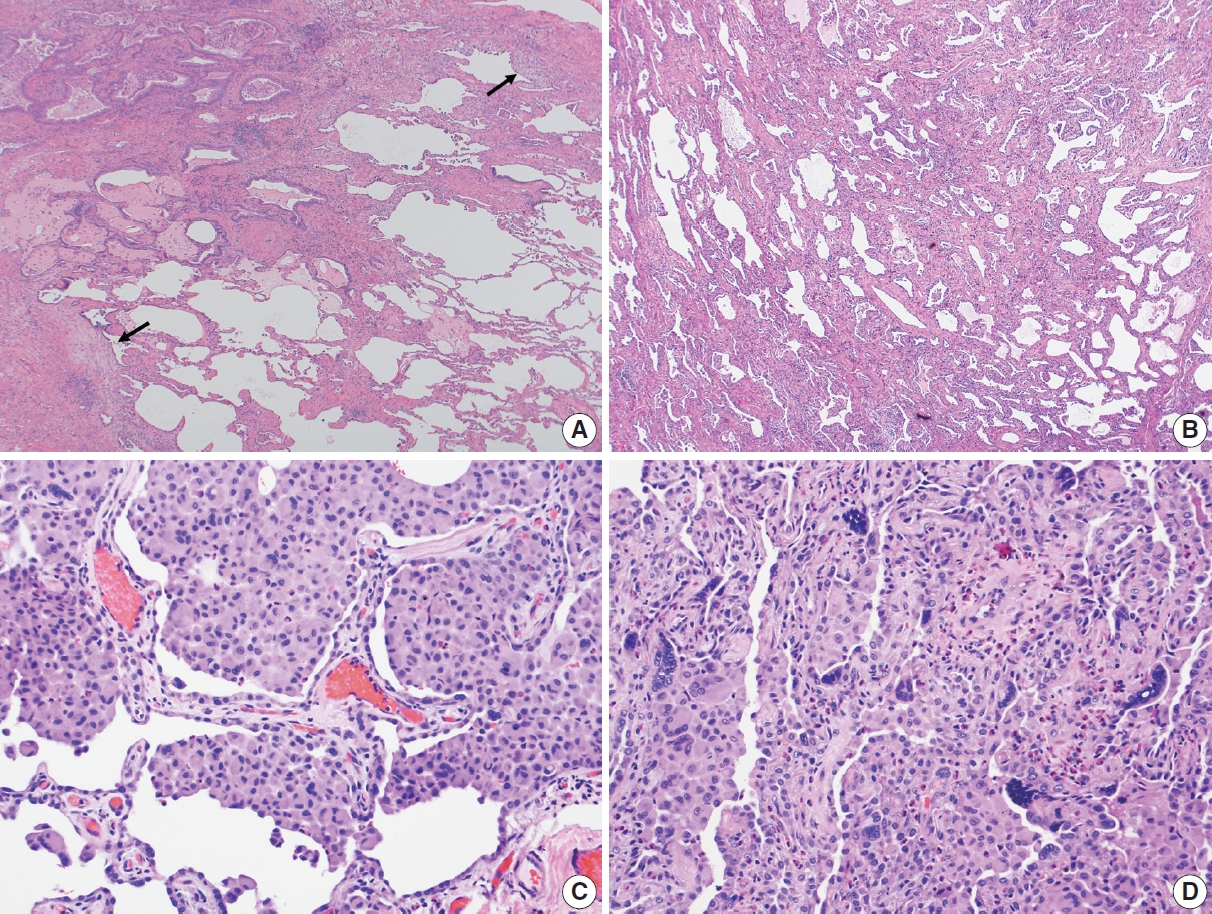
PDF - Histopathologic criteria of usual interstitial pneumonia (UIP)/idiopathic pulmonary fibrosis (IPF) were defined over the years and endorsed by leading organizations decades after Dr. Averill A. Liebow first coined the term UIP in the 1960s as a distinct pathologic pattern of fibrotic interstitial lung disease. Novel technology and recent research on interstitial lung diseases with genetic component shed light on molecular pathogenesis of UIP/IPF. Two antifibrotic agents introduced in the mid-2010s opened a new era of therapeutic approaches to UIP/IPF, albeit contentious issues regarding their efficacy, side effects, and costs. Recently, the concept of progressive pulmonary fibrosis was introduced to acknowledge additional types of progressive fibrosing interstitial lung diseases with the clinical and pathologic phenotypes comparable to those of UIP/IPF. Likewise, some authors have proposed a paradigm shift by considering UIP as a stand-alone diagnostic entity to encompass other fibrosing interstitial lung diseases that manifest a relentless progression as in IPF. These trends signal a pendulum moving toward the tendency of lumping diagnoses, which poses a risk of obscuring potentially important information crucial to both clinical and research purposes. Recent advances in whole slide imaging for digital pathology and artificial intelligence technology could offer an unprecedented opportunity to enhance histopathologic evaluation of interstitial lung diseases. However, current clinical practice trends of moving away from surgical lung biopsies in interstitial lung disease patients may become a limiting factor in this endeavor as it would be difficult to build a large histopathologic database with correlative clinical data required for artificial intelligence models.
-
Citations
Citations to this article as recorded by
- Advances and Research Progress in the Application of Artificial Intelligence for Progressive Pulmonary Fibrosis in Connective Tissue Disease-Associated Interstitial Lung Disease
佳琳 王
Advances in Clinical Medicine.2026; 16(05): 2107. CrossRef - Lung biopsy strategies for childhood interstitial lung disease: Indications and techniques
Kuimiao Deng, Lin Lin, Wenhao Zhou, Junzheng Peng
Journal of International Medical Research.2026;[Epub] CrossRef - Identification of early genes in the pathophysiology of fibrotic interstitial lung disease in a new model of pulmonary fibrosis
Nathan Hennion, Corentin Bedart, Léonie Vandomber, Frédéric Gottrand, Sarah Humez, Cécile Chenivesse, Jean-Luc Desseyn, Valérie Gouyer
Cellular and Molecular Life Sciences.2025;[Epub] CrossRef - Radiological Insights into UIP Pattern: A Comparison Between IPF and Non-IPF Patients
Stefano Palmucci, Miriam Adorna, Angelica Rapisarda, Alessandro Libra, Sefora Fischetti, Gianluca Sambataro, Letizia Antonella Mauro, Emanuele David, Pietro Valerio Foti, Claudia Mattina, Corrado Spatola, Carlo Vancheri, Antonio Basile
Journal of Clinical Medicine.2025; 14(12): 4162. CrossRef
- Advances and Research Progress in the Application of Artificial Intelligence for Progressive Pulmonary Fibrosis in Connective Tissue Disease-Associated Interstitial Lung Disease
- A review of liver fibrosis and cirrhosis regression
- Michael J. Lee
- J Pathol Transl Med. 2023;57(4):189-195. Published online June 20, 2023
- DOI: https://doi.org/10.4132/jptm.2023.05.24
- 39,893 View
- 1,037 Download
- 44 Web of Science
- 46 Crossref
-
Abstract
PDF
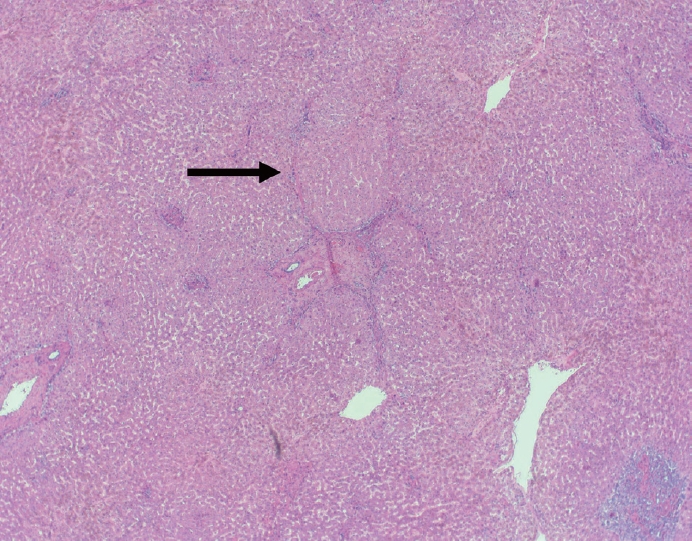
- Cirrhosis has traditionally been considered an irreversible process of end-stage liver disease. With new treatments for chronic liver disease, there is regression of fibrosis and cirrhosis, improvement in clinical parameters (i.e. liver function and hemodynamic markers, hepatic venous pressure gradient), and survival rates, demonstrating that fibrosis and fibrolysis are a dynamic process moving in two directions. Microscopically, hepatocytes push into thinning fibrous septa with eventual perforation leaving behind delicate periportal spikes in the portal tracts and loss of portal veins. Obliterated portal veins during progressive fibrosis and cirrhosis due to parenchymal extinction, vascular remodeling and thrombosis often leave behind a bile duct and hepatic artery within the portal tract. Traditional staging classification systems focused on a linear, progressive process; however, the Beijing classification system incorporates both the bidirectional nature for the progression and regression of fibrosis. However, even with regression, vascular lesions/remodeling, parenchymal extinction and a cumulative mutational burden place patients at an increased risk for developing hepatocellular carcinoma and should continue to undergo active clinical surveillance. It is more appropriate to consider cirrhosis as another stage in the evolution of chronic liver disease as a bidirectional process rather than an end-stage, irreversible state.
-
Citations
Citations to this article as recorded by- Ultrasound‐Responsive Dual‐Prodrug Nanoassembly for “Fenestrae‐Restoration Strategy” in Liver Fibrosis Therapy
Shutong Liu, Mengyao Zhang, Zitong Qiu, Xinyi Liu, Yunsheng Dou, Sona Krizkova, Zheyi Li, Zbynek Heger, Nan Li
Advanced Materials.2026;[Epub] CrossRef - Molecular and cellular secrets revealed: How umbilical cord-derived mesenchymal stem cells can target hepatocellular carcinoma
Mohammad Sadegh Izadi, Reza Arefnezhad, Amirmasoud Asadi, Aryan Rezaee, Leila Kalantari, Farzad Nasrpour Tahouneh, Mohammad Mehdi Shadravan, Seyyed Taher Seyyed Mahmoudi, Zahra GhaniBeygi, Fatemeh Rostamnezhad, Armin Razman, Fardad Ejtehadi, Fatemeh Rezae
Tissue and Cell.2026; 98: 103200. CrossRef - Diagnostic Utility of Apparent Diffusion Coefficient Values of Spleen and Liver in Assessment of Severity of Portal Hypertension and Liver Cirrhosis
Kommuri Siddhardha, S. Jalaludheen, Senthil Kumar Aiyappan
Nigerian Postgraduate Medical Journal.2026; 33(1): 118. CrossRef - Head to head: should portal inflammation be part of grading necroinflammatory activity in metabolic dysfunction‐associated steatotic liver disease?
Daniela Allende, Alastair D Burt
Histopathology.2026; 88(5): 958. CrossRef - Diagnostic accuracy of deep learning-enhanced MRI techniques for liver fibrosis and cirrhosis detection: a systematic review and meta-analysis
Mohammadreza Elhaie, Abolfazl Koozari, Iraj Abedi
Egyptian Liver Journal.2026;[Epub] CrossRef - Physical Activity and Liver Fibrosis: A Stratified Analysis by Obesity and Diabetes Status
Junghwan Cho, Sunghwan Suh, Ji Min Han, Hye In Kim, Hanaro Park, Hye Rang Bak, Ji Cheol Bae
Journal of Clinical Medicine.2026; 15(2): 757. CrossRef - Serum Kallistatin level as a biomarker for evaluation of liver function status in cirrhotic patients
Mahmoud Rizk, F. M. Khalil, Mohamed El-Assal, Hussien Ali, Ahmed R. Mohamed, Samer S. Zekry, Abeer Mahmoud El-Bahy, Amira Kamal ElDin Mohammed ElAlfy
Egyptian Liver Journal.2026;[Epub] CrossRef - The Dual-Faceted Role of Metal-Based Nanomaterials in Hepatic Fibrosis Therapy
Yinqing Mao, Yankai Gong, Xue Bai
International Journal of Nanomedicine.2026; Volume 21: 1. CrossRef - Reply to the Letter on “Clinical implications of fibrosis marker dynamics after hepatitis C cure: insights from paired biopsies”
Hung-Wei Wang, Cheng-Yuan Peng
Journal of the Formosan Medical Association.2026;[Epub] CrossRef - Risk factors for advanced liver fibrosis among people living with HIV: a 5-year longitudinal study in Thailand
Thanawat Nochaiwong, Jutatip Sillabutra, Chukiat Viwatwongkasem, Chuleeporn Wongvoranet, Hay Mar Su Lwin, Napon Hiranburana, Anchalee Avihingsanon
AIDS Care.2026; : 1. CrossRef - The role and possible mechanism of intestinal fungi in the progression of chronic liver diseases
Yirui Hu, Ye Yang, Shuyan Wang, Huikuan Chu
npj Biofilms and Microbiomes.2026;[Epub] CrossRef - Ishak stage 6 fibrosis is more likely to regress than stage 5 in CHB patients undergoing entecavir therapy
Mengjie Li, Xiaogang Hao, Yuanyuan Li, Chao Zhang, Yongping Chen, Zujiang Yu, Qin Li, Lin Tan, Dedong Xiang, Qinghua Shang, Chunliang Lei, Liang Chen, Xiaoyu Hu, Jing Wang, Huabao Liu, Wei Lu, Yan Chen, Zheng Dong, Wenlin Bai, Eric M. Yoshida, Nahum Mende
Frontiers in Medicine.2026;[Epub] CrossRef - ECM1 produced by hepatic stellate cells serves as a gatekeeper of liver homeostasis in hepatic fibrosis
Aiting Yang, Xuzhen Yan, Yiwen Wang, Qi Han, Xiaofei Tong, Shuyan Chen, Xinyu Zhao, Wei Chen, Jidong Jia, Detlef Schuppan, Hong You
Hepatology.2026; 84(3): 785. CrossRef - Silent progression and therapeutic reversibility of pediatric hepatitis B virus-related cirrhosis: Needs unmet
Larry Huang, Jialing Huang
World Journal of Gastroenterology.2026;[Epub] CrossRef - Double-target responsive FRET sensor based on DNA tetrahedron for robust detection of liver fibrosis-related mRNAs in activated hepatic stellate cells
Jinyong Wang, Jiayin Huang, Meiqin Zhang, Xinyao Liu, Yanlin Liu, Ya Zhang, Xiaodong Wang, Hongfei Zhou, Dazhi Chen, Zhifa Shen, Yongping Chen
Biosensors and Bioelectronics.2026; 307: 118737. CrossRef - Extracellular Vesicles in Hepatic Pathogenesis: From Biogenesis to Biomarkers
Tamer A. Addissouky
Archives of Molecular Biology and Genetics.2026; 5(1): 10. CrossRef - Evaluation of Hepatic Enzymes and Their Association with Disease Severity in Liver Cirrhosis Patients
Saif M. Hasan, Nabaa Qassim Saad-Allah, Ibrahim Khalaf Hameed
Journal of Clinical Practice and Medical Research.2026; 2(3): 57. CrossRef - A Delphi Study on the Development of a Traditional Chinese Medicine Syndrome–Differentiation Nursing Framework for Patients with Cirrhotic Ascites
Suling Huang, Linmei Zhang, Sun Yang, Fei Zheng, Sheng Tan, Danping Huang
Journal of Multidisciplinary Healthcare.2026; Volume 19: 1. CrossRef - Human donor liver viability evaluation with polarization-sensitive optical coherence tomography
Feng Yan, Qinghao Zhang, Bornface M. Mutembei, Ke Zhang, Yan Cui, Ronghao Liu, Junyuan Liu, Chen Wang, Zaid A. Alhajeri, Kaustubh Pandit, Fan Zhang, Zhongxin Yu, Kar-Ming Fung, Shaima N. Elgenaid, Paige Parrack, Walid Ali, Clint A. Hostetler, Ashley N. Mi
Science Translational Medicine.2026;[Epub] CrossRef - Regression of liver cirrhosis
Jonathan Andrew Fallowfield, Prakash Ramachandran, Timothy James Kendall
Journal of Hepatology.2026;[Epub] CrossRef - Silica-installed redox nanoparticles enable effective oral silymarin therapy for liver fibrosis
Thu-Ha Thi Nguyen, Hao Thi Tran, Anh-Thuy Lam, Nhu-Thuy Trinh, Hien Huu Tran, Yukio Nagasaki, Long Binh Vong
Colloids and Surfaces B: Biointerfaces.2026; 268: 116000. CrossRef - E3 Ubiquitin Ligases in MASH‐Associated Liver Fibrosis: Mechanisms and Therapeutic Opportunities
Ah‐Reum Oh, Yelin Jeong, Young Hoon Jung, Young Un Kim, HyunJoon Gi, Do‐Wan Kim, Young Du Choi, Sang Bae Lee, KyeongJin Kim
Liver International.2026;[Epub] CrossRef - Ent-abietane diterpenoid Enantiomers from Euphorbia helioscopia inhibits liver fibrosis via suppressing the TGF-β1/smad pathway
Li Jiang, Qian Wang, Jun-yan Ran, Shi-xing Liu, Lan-cui Tian, Zuo Zheng, Xiao-long Tian, Shang-Gao Liao, Cai-lin Tang, Abrar Ahmed, Xue-long Yan
Arabian Journal of Chemistry.2026; 0: 1. CrossRef - Low-Grade Chronic Inflammation: a Shared Mechanism for Chronic Diseases
Mariana Cifuentes, Hugo E. Verdejo, Pablo F. Castro, Alejandro H. Corvalan, Catterina Ferreccio, Andrew F. G. Quest, Marcelo J. Kogan, Sergio Lavandero
Physiology.2025; 40(1): 4. CrossRef - Natural History of Metabolic Dysfunction-Associated Steatotic Liver Disease: From Metabolic Syndrome to Hepatocellular Carcinoma
Melchor Alpízar Salazar, Samantha Estefanía Olguín Reyes, Andrea Medina Estévez, Julieta Alejandra Saturno Lobos, Jesús Manuel De Aldecoa Castillo, Juan Carlos Carrera Aguas, Samary Alaniz Monreal, José Antonio Navarro Rodríguez, Dulce María Fernanda Alpí
Medicina.2025; 61(1): 88. CrossRef - Unveiling the Link between Albumin-Bilirubin Grade and Liver Fibrosis in Patients with a History of Gallstone and Gallbladder Surgery: A Focus on Metabolic Dysfunction-Associated Steatohepatitis
Mohammadjavad Sotoudeheian
The Korean Journal of Pancreas and Biliary Tract.2025; 30(1): 10. CrossRef - Impact of Weight Loss on Metabolic Dysfunction Associated Steatohepatitis and Hepatic Fibrosis
Marina W. Takawy, Manal F. Abdelmalek
Current Diabetes Reports.2025;[Epub] CrossRef - Nanoparticle-based therapeutic strategies for chronic liver diseases: Advances and insights
Sathiyamoorthy Padmanaban, Ji-Won Baek, Sai Sahithya Chamarthy, Saipriya Chandrasekaran, Antony V Samrot, Vijayakumar Gosu, In-Kyu Park, Kamalakannan Radhakrishnan, Don-Kyu Kim
Liver Research.2025; 9(2): 104. CrossRef - Innovative Strategies in the Diagnosis and Treatment of Liver Cirrhosis and Associated Syndromes
Ashok Kumar Sah, Mohd Afzal, Rabab H. Elshaikh, Anass M. Abbas, Manar G. Shalabi, Pranav Kumar Prabhakar, Asaad M. A. Babker, Fariza Tursunbaevna Khalimova, Velilyaeva Aliya Sabrievna, Ranjay Kumar Choudhary
Life.2025; 15(5): 779. CrossRef - Poly(I:C)-Stimulated Exosomes Mitigate Cholesterol-Induced Hepatic Fibrosis by Modulating the TGF-β/Smad3 Signal Transduction Pathway
Shahla Asadizadeh, Parichehreh Yaghmaei, Nasim Hayati Roodbari, Azam Khedri
Hepatitis Monthly.2025;[Epub] CrossRef - The postbiotic ReFerm® versus standard nutritional support in advanced alcohol-related liver disease (GALA-POSTBIO): a randomized controlled phase 2 trial
Johanne K. Hansen, Mads Israelsen, Suguru Nishijima, Sara E. Stinson, Peter Andersen, Stine Johansen, Camilla D. Hansen, Maximilian Joseph Brol, Sabine Klein, Robert Schierwagen, Frank Erhard Uschner, Karolina Sulek, Ida F. Villesen, Katrine P. Lindvig, K
Nature Communications.2025;[Epub] CrossRef - ADVANCING CURCUMIN APPLICATIONS IN HEPATOCELLULAR CARCINOMA: INSIGHTS INTO PHARMACOKINETICS, PHARMACODYNAMICS AND NANODELIVERY SYSTEMS
RESHMA T. MATE, ANURADHA N. CHIVATE, NAMDEO R. JADHAV, NIRANJAN D. CHIVATE
International Journal of Applied Pharmaceutics.2025; : 19. CrossRef - Genetic Determinants of Apoptosis Regulate Liver Cirrhosis Risk: The FAS/FASL Polymorphism Connection in Iraqi Population
Wisam Hindawi Hoidy, Ahmed Ghdhban Al-Ziaydi
Indian Journal of Clinical Biochemistry.2025;[Epub] CrossRef - Histological and Molecular Evaluation of Liver Biopsies: A Practical and Updated Review
Joon Hyuk Choi
International Journal of Molecular Sciences.2025; 26(16): 7729. CrossRef - Resolving fibrosis by stimulating HSC-dependent extracellular matrix degradation
Sachin Sharma, Vijaya Prathigudupu, Carson Cable, Lia R. Serrano, Srilaxmi Nerella, Alina Chen, Ghmkin Hassan, Johnathon Lakins, Carlos Lizama Valenzuela, Tatsuya Tsukui, Roopa Ramamoorthi, Jae-Jun Kim, Holger Willenbring, Aras N. Mattis, Regan F. Volk, B
Science Translational Medicine.2025;[Epub] CrossRef - Association of ANGPT2 and NOS3 Gene Variants With Esophageal Variceal Progression in HCV‐Induced Cirrhosis
Omnia S. Nabih, Mohamed Abdel‐Samiee, Marwa A. Tahoon, Elaf Abozeid, Heba Demerdash, Fatma Omar Khalil, Randa M. Seddik, Marwa L. Helal, Gamalat A. El Gedawy, HalaA E. Khalil, Badawy W AboBakr. Yossef, Ahmed B. Zaid, Mai I. Elashmawy
Journal of Medical Virology.2025;[Epub] CrossRef - Сomponents of colostrum regulate the activity of the immune system in animals with liver fibrosis
E. G. Ivanov, E. M. Klimova, A. A. Bozhkov, M. K. Kovalova, A. I. Bozhkov
Regulatory Mechanisms in Biosystems.2025; 16(4): e25176. CrossRef - Emerging advanced approaches for diagnosis and inhibition of liver fibrogenesis
Tamer A. Addissouky, Majeed M. A. Ali, Ibrahim El Tantawy El Sayed, Yuliang Wang
The Egyptian Journal of Internal Medicine.2024;[Epub] CrossRef - Inhibition of hepatic stellate cell activation by nutraceuticals: an emphasis on mechanisms of action
Vasudevan Sekar, Venkateish VP, Vani Vijay, Annapoorna BR, Nivya Vijayan, Madan Kumar Perumal
Journal of Food Science and Technology.2024; 61(11): 2046. CrossRef - The Role of Macrophage Inhibitory Factor in TAA-Induced Liver Fibrosis in Mice: Modulatory Effects of Betaine
Tatjana Radosavljevic, Dusan Vukicevic, Jasmina Djuretić, Kristina Gopcevic, Milica Labudovic Borovic, Sanja Stankovic, Janko Samardzic, Milica Radosavljevic, Danijela Vucevic, Vladimir Jakovljevic
Biomedicines.2024; 12(6): 1337. CrossRef - Fibrosis and Hepatocarcinogenesis: Role of Gene-Environment Interactions in Liver Disease Progression
Anindita Banerjee, Patrizia Farci
International Journal of Molecular Sciences.2024; 25(16): 8641. CrossRef - Multiomic predictors for regression of cirrhosis: Clinical implications and future directions
Binghua Li, Decai Yu
iLIVER.2024; 3(4): 100116. CrossRef - Commonly encountered symptoms and their management in patients with cirrhosis
Cyriac Abby Philips
Frontiers in Medicine.2024;[Epub] CrossRef - Antioxidant Potential of Xanthohumol in Disease Prevention: Evidence from Human and Animal Studies
Jakub Piekara, Dorota Piasecka-Kwiatkowska
Antioxidants.2024; 13(12): 1559. CrossRef - AdhMMP8 Vector Administration in Muscle: An Alternate Strategy to Regress Hepatic Fibrosis
Jesús García-Bañuelos, Edén Oceguera-Contreras, Ana Sandoval-Rodríguez, Blanca Estela Bastidas-Ramírez, Silvia Lucano-Landeros, Daniela Gordillo-Bastidas, Belinda C. Gómez-Meda, Arturo Santos, Eira Cerda-Reyes, Juan Armendariz-Borunda
Cells.2023; 12(17): 2127. CrossRef - Nutritional deficiency in patients with liver cirrhosis
Maria S. Zhigalova, Vladimir V. Kiselev, Alla A. Ryk, Petr A. Yartsev
Clinical nutrition and metabolism.2023; 4(4): 265. CrossRef
- Ultrasound‐Responsive Dual‐Prodrug Nanoassembly for “Fenestrae‐Restoration Strategy” in Liver Fibrosis Therapy
- Inflammatory bowel disease–associated intestinal fibrosis
- Ji Min Park, Jeongseok Kim, Yoo Jin Lee, Sung Uk Bae, Hye Won Lee
- J Pathol Transl Med. 2023;57(1):60-66. Published online January 10, 2023
- DOI: https://doi.org/10.4132/jptm.2022.11.02
- 27,145 View
- 505 Download
- 42 Web of Science
- 43 Crossref
-
Abstract
PDF
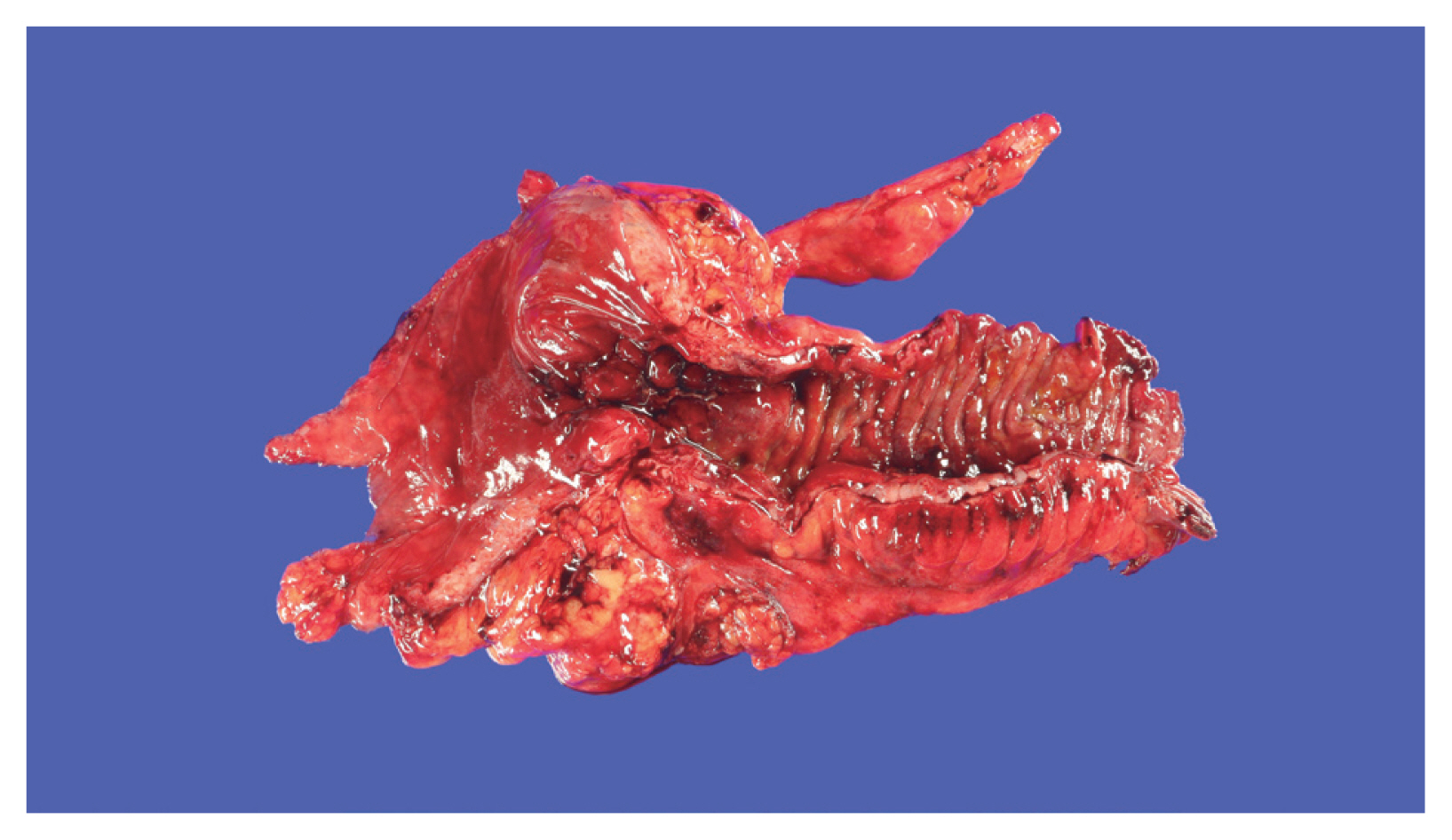
- Fibrosis is characterized by a proliferation of fibroblasts and excessive extracellular matrix following chronic inflammation, and this replacement of organ tissue with fibrotic tissue causes a loss of function. Inflammatory bowel disease (IBD) is a chronic inflammation of the gastrointestinal tract, and intestinal fibrosis is common in IBD patients, resulting in several complications that require surgery, such as a stricture or penetration. This review describes the pathogenesis and various factors involved in intestinal fibrosis in IBD, including cytokines, growth factors, epithelial-mesenchymal and endothelial-mesenchymal transitions, and gut microbiota. Furthermore, histopathologic findings and scoring systems used for stenosis in IBD are discussed, and differences in the fibrosis patterns of ulcerative colitis and Crohn’s disease are compared. Biomarkers and therapeutic agents targeting intestinal fibrosis are briefly mentioned at the end.
-
Citations
Citations to this article as recorded by- Short-Chain Fatty Acids Elicit Differential Expression of Growth Factors and Pro-Inflammatory Cytokines in Immortalized Rat Enteric Glial Cells
Michelle M. Beltran, Danielle M. Defries
Nutrients.2026; 18(3): 436. CrossRef - A Developmental Perspective on the Intestinal Microbiota in Crohn’s Disease
Marcello Imbrizi, Daniela Oliveira Magro, Andrey Santos, Heloisa Balan Assalin, Dioze Guadagnini, Mario José Abdalla Saad, Claudio Saddy Rodrigues Coy
International Journal of Molecular Sciences.2026; 27(5): 2144. CrossRef - IL1β+ macrophages promote intestinal fibrosis in Crohn’s disease by secreting AREG to activate PI16+ fibroblasts
Hanlin Xie, Xiaofeng Wen, Tao Ma, Lin Wang, Yanxu Guo, Guanzhan Liang, Jing Chen, Ruibing Li, Yuxi Pan, Zhenyu Xian, Chuanyuan Liu, Yimamu Baihetiyaer, Abudumaimaitijiang Tuersun, Xiaowen He, Jia Ke, Chunbo He, Lei Lian, Abuduhalike Abulimiti, Tuo Hu, Tai
Journal of Translational Medicine.2026;[Epub] CrossRef - Recurrent Sigmoid Volvulus in a Young Female With Ulcerative Colitis: A Case Report and Review of the Literature
Hung-Ming Huang, Yu-Ru Lai, Yu-Chun Yeh, Cheng-Wei Huang
Cureus.2026;[Epub] CrossRef - The interleukin-10/interleukin-10Rα axis in fibroblasts limits large intestinal pathology by suppressing Type I interferon signaling
Takayoshi Ito, Bo Li, Taiki Sakaguchi, Mayu Yagita-Sakamaki, Hiroyuki Itoi, Mari Murakami, Runlin Wu, Akio Fukada, Daisuke Motooka, Takayuki Ogino, Shota Nakamura, Daisuke Okuzaki, Kiyoshi Takeda, Hisako Kayama
International Immunology.2026;[Epub] CrossRef - Nicotinamide N-methyltransferase in inflammatory bowel disease: Multidimensional regulation, mechanistic insights, and therapeutic potential
An Liu, Xiao-Juan Zhu, Wei-Dong Sun, Shuang-Zhou Bi, Chen-Ying Zhang, Jiang-Hua Li
Experimental Cell Research.2026; 461(1): 115096. CrossRef - Fibroblast Activation Protein Expression Differs Between Inflamed and Fibrostenotic Inflammatory Bowel Disease
Dalia A. Lartey, Bram W. van Os, Bo Jun Ke, Kelly van Wijnbergen, Gert de Hertogh, Luuk J. A. C. Hawinkels, Gianluca Matteoli, Jie Su, Christianne J. Buskens, Jarmilla D. W. van der Bilt, Geert R. A. M. D'Haens, Joep Grootjans, Manon E. Wildenberg, Mariek
JCC Plus.2026;[Epub] CrossRef - Generative AI-augmented transcriptomic and microbiome analysis across inflammatory and fibrotic disease states in Crohn’s disease
Daryll Philip, Daniela Santos, Sudip Mondal, Haneen Alomar, Georgios Gkoutos, Animesh Acharjee
Frontiers in Artificial Intelligence.2026;[Epub] CrossRef - Phenotypic switching of gastrointestinal smooth muscle cells and the regulatory role of macrophages: a literature review
Jinfei Fan, Yue Jiang, Xinchi Luan, Xuezhe Wang, Xin Wang, Xiaolei Zhang, Jingwen Tian, Xiaofei Xin, Wensheng Qiu, Weiwei Qi
Inflammation Research.2026;[Epub] CrossRef - Leveraging Organ‐on‐Chip Models to Investigate Host–Microbiota Dynamics and Targeted Therapies for Inflammatory Bowel Disease
Tim Kaden, Raquel Alonso‐Román, Johannes Stallhofer, Mark S. Gresnigt, Bernhard Hube, Alexander S. Mosig
Advanced Healthcare Materials.2025;[Epub] CrossRef - Prominence of Microbiota to Predict Fibrous Stenosis in Crohn’s Disease
Xue Yang, Yan Pan, Cai-Ping Gao, Hang Li, Ying-Hui Zhang, Chun-Li Huang, Lu Cao, Shi-Yu Xiao, Zhou Zhou
Journal of Inflammation Research.2025; Volume 18: 1413. CrossRef - Fibrosierende Erkrankungen im Gastrointestinaltrakt
Elke Roeb
Die Innere Medizin.2025; 66(7): 695. CrossRef - Roles of fibroblasts in the pathogenesis of inflammatory bowel diseases and IBD-associated fibrosis
Takayoshi Ito, Hisako Kayama
International Immunology.2025; 37(7): 379. CrossRef - Disease Clearance in Ulcerative Colitis: A Narrative Review
Silvio Danese, Laurent Peyrin‐Biroulet, Vipul Jairath, Ferdinando D'Amico, Shashi Adsul, Christian Agboton, Fernando Magro
United European Gastroenterology Journal.2025; 13(6): 902. CrossRef - Gut Microbiota as a Mediator Between Intestinal Fibrosis and Creeping Fat in Crohn's Disease
Caiguang Liu, Rongchang Li, Jing Nie, Jinshen He, Zihao Lin, Xiaomin Wu, Jinyu Tan, Zishan Liu, Longyuan Zhou, Xiaozhi Li, Zhirong Zeng, Minhu Chen, Shixian Hu, Yijun Zhu, Ren Mao
United European Gastroenterology Journal.2025; 13(7): 1092. CrossRef - Per- and polyfluoroalkyl substances (PFAS): immunotoxicity at the primary sites of exposure
Emma Arnesdotter, Charlotte B. A. Stoffels, Wiebke Alker, Arno C. Gutleb, Tommaso Serchi
Critical Reviews in Toxicology.2025; 55(4): 484. CrossRef - Disease-Specific Novel Role of Growth Differentiation Factor 15 in Organ Fibrosis
Harshal Sawant, Alip Borthakur
International Journal of Molecular Sciences.2025; 26(12): 5713. CrossRef - Galectin-3—Insights from Inflammatory Bowel Disease and Primary Sclerosing Cholangitis
Thomas Grewal, Hauke Christian Tews, Christa Buechler
International Journal of Molecular Sciences.2025; 26(13): 6101. CrossRef - Revealing Fibrosis Genes as Biomarkers of Ulcerative Colitis: A Bioinformatics Study Based on ScRNA and Bulk RNA Datasets
Yandong Wang, Li Liu, Weihao Wang
Endocrine, Metabolic & Immune Disorders - Drug Targets.2025; 25(9): 710. CrossRef - Fibrosis in Immune-Mediated and Autoimmune Disorders
Magdalena Żurawek, Iwona Ziółkowska-Suchanek, Katarzyna Iżykowska
Journal of Clinical Medicine.2025; 14(18): 6636. CrossRef - Plasma-activated media inhibits epithelial-mesenchymal transition and ameliorates intestinal fibrosis through the PPARγ/TGF-β1/SMAD3 pathway
Yi You, Yaping Shen, Yan Yang, Xiaoyang Wei, Yuheng Zhou, Foxing Tan, Longcheng Deng, Haolin Du, Sen Wang, Cheng Wang, Yan Huang, Vinay Kumar,
PLOS One.2025; 20(10): e0335225. CrossRef - (R)-Bambuterol attenuates DSS-induced chronic colitis by suppressing inflammation, repairing intestinal barrier, and modulating gut microbiota and serum metabolomic profile
Liangjun Deng, Le Tian, Dan Su, Jiukun Xie, Yuer Qian, Yipeng Li, Shidong Zhang, Shanping Wang, Zhihua Liu
European Journal of Pharmacology.2025; 1008: 178346. CrossRef - Beyond inflammation: what drives the self-perpetuating cycle of fibrosis in IBD?
Yutong Wei, Zhou Zhou, Shiyu Xiao
Annals of Medicine.2025;[Epub] CrossRef - Neurokinin-1 Receptor Regulation of Fibroblast Phenotype and Function
Scott P. Levick
Receptors.2025; 4(4): 23. CrossRef - Tumor Development in Ulcerative Colitis: Perspectives From Biomechanical Characteristics
Hirotaka Tao
Development, Growth & Differentiation.2025; 67(9): 487. CrossRef - Effects of maternal overnutrition and metabolic challenge in adult life on the histological integrity of the liver and intestinal epithelium in rabbits
Lucía Carolina Cano, Erika Navarrete, Pedro Medina, Juan Pablo Ochoa-Romo, Georgina Díaz, Rodrigo Montúfar-Chaveznava, Rosa María Vigueras-Villaseñor, Ivette Caldelas
Frontiers in Nutrition.2025;[Epub] CrossRef - Minimally Invasive Full-Thickness Resection of a Non-Lifting Adenoma in an Ulcerative Colitis Patient Using OVESCO: A Case Report
Fei Yang Pan, Rupert Leong, Saurabh Gupta, Talia Fuchs, Viraj Kariyawasam
Case Reports in Gastroenterology.2025; 19(1): 682. CrossRef - Resistance to apoptosis in complicated Crohn's disease: Relevance in ileal fibrosis
M. Seco-Cervera, D. Ortiz-Masiá, D.C. Macias-Ceja, S. Coll, L. Gisbert-Ferrándiz, J. Cosín-Roger, C. Bauset, M. Ortega, B. Heras-Morán, F. Navarro-Vicente, M. Millán, J.V. Esplugues, S. Calatayud, M.D. Barrachina
Biochimica et Biophysica Acta (BBA) - Molecular Basis of Disease.2024; 1870(2): 166966. CrossRef - Characterization of patient-derived intestinal organoids for modelling fibrosis in Inflammatory Bowel Disease
Ilaria Laudadio, Claudia Carissimi, Noemi Scafa, Alex Bastianelli, Valerio Fulci, Alessandra Renzini, Giusy Russo, Salvatore Oliva, Roberta Vitali, Francesca Palone, Salvatore Cucchiara, Laura Stronati
Inflammation Research.2024; 73(8): 1359. CrossRef - Food additives impair gut microbiota from healthy individuals and IBD patients in a colonic in vitro fermentation model
Irma Gonza, Elizabeth Goya-Jorge, Caroline Douny, Samiha Boutaleb, Bernard Taminiau, Georges Daube, Marie–Louise Scippo, Edouard Louis, Véronique Delcenserie
Food Research International.2024; 182: 114157. CrossRef - Epigenetic Regulation of EMP/EMT-Dependent Fibrosis
Margherita Sisto, Sabrina Lisi
International Journal of Molecular Sciences.2024; 25(5): 2775. CrossRef - Mechanisms and therapeutic research progress in intestinal fibrosis
Yanjiang Liu, Tao Zhang, Kejian Pan, He Wei
Frontiers in Medicine.2024;[Epub] CrossRef - Disease clearance in ulcerative colitis: A new therapeutic target for the future
Syed Adeel Hassan, Neeraj Kapur, Fahad Sheikh, Anam Fahad, Somia Jamal
World Journal of Gastroenterology.2024; 30(13): 1801. CrossRef - Urinary Hydroxyproline as an Inflammation-Independent Biomarker of Inflammatory Bowel Disease
Muriel Huss, Tanja Elger, Johanna Loibl, Arne Kandulski, Benedicta Binder, Petra Stoeckert, Patricia Mester, Martina Müller, Christa Buechler, Hauke Christian Tews
Gastroenterology Insights.2024; 15(2): 486. CrossRef - Inflammatory Bowel Disease: Immune Function, Tissue Fibrosis and Current Therapies
Jesús Cosín-Roger
International Journal of Molecular Sciences.2024; 25(12): 6416. CrossRef - The Diagnosis of Intestinal Fibrosis in Crohn’s Disease—Present and Future
Sara Jarmakiewicz-Czaja, Jolanta Gruszecka, Rafał Filip
International Journal of Molecular Sciences.2024; 25(13): 6935. CrossRef - Role of gut microbiota in Crohn’s disease pathogenesis: Insights from fecal microbiota transplantation in mouse model
Qiang Wu, Lian-Wen Yuan, Li-Chao Yang, Ya-Wei Zhang, Heng-Chang Yao, Liang-Xin Peng, Bao-Jia Yao, Zhi-Xian Jiang
World Journal of Gastroenterology.2024; 30(31): 3689. CrossRef - Ultrasound of the bowel with a focus on IBD: the new best practice
Christina Merrill, Stephanie R. Wilson
Abdominal Radiology.2024; 50(2): 555. CrossRef - Unveiling the anti-inflammatory potential of 11β,13-dihydrolactucin for application in inflammatory bowel disease management
Melanie S. Matos, María Ángeles Ávila-Gálvez, Antonio González-Sarrías, Nuno-Valério Silva, Carolina Lage Crespo, António Jacinto, Ana Teresa Serra, Ana A. Matias, Cláudia Nunes dos Santos
Food & Function.2024; 15(18): 9254. CrossRef - Gut microbiota and mesenteric adipose tissue interactions in shaping phenotypes and treatment strategies for Crohn’s disease
Anis Hasnaoui, Racem Trigui, Mario Giuffrida
World Journal of Gastroenterology.2024; 30(46): 4969. CrossRef - Pathways Affected by Falcarinol-Type Polyacetylenes and Implications for Their Anti-Inflammatory Function and Potential in Cancer Chemoprevention
Ruyuf Alfurayhi, Lei Huang, Kirsten Brandt
Foods.2023; 12(6): 1192. CrossRef - Time to eRAASe chronic inflammation: current advances and future perspectives on renin-angiotensin-aldosterone-system and chronic intestinal inflammation in dogs and humans
Romy M. Heilmann, Georg Csukovich, Iwan A. Burgener, Franziska Dengler
Frontiers in Veterinary Science.2023;[Epub] CrossRef - Role of the epithelial barrier in intestinal fibrosis associated with inflammatory bowel disease: relevance of the epithelial-to mesenchymal transition
Dulce C. Macias-Ceja, M. Teresa Mendoza-Ballesteros, María Ortega-Albiach, M. Dolores Barrachina, Dolores Ortiz-Masià
Frontiers in Cell and Developmental Biology.2023;[Epub] CrossRef
- Short-Chain Fatty Acids Elicit Differential Expression of Growth Factors and Pro-Inflammatory Cytokines in Immortalized Rat Enteric Glial Cells
- Inflammation and tissue remodeling contribute to fibrogenesis in stricturing Crohn’s disease: image processing and analysis study
- Mustafa Erdem Arslan, Rupinder Brar, Lianna Goetz, Dipti Karamchandani, Michael W. Mikula, Kyle Hodge, Hua Li, Sangtae Ahn, Hwajeong Lee
- J Pathol Transl Med. 2022;56(5):239-248. Published online July 4, 2022
- DOI: https://doi.org/10.4132/jptm.2022.05.18
- 7,896 View
- 146 Download
- 4 Web of Science
- 4 Crossref
-
Abstract
PDF
 Supplementary Material
 - Background
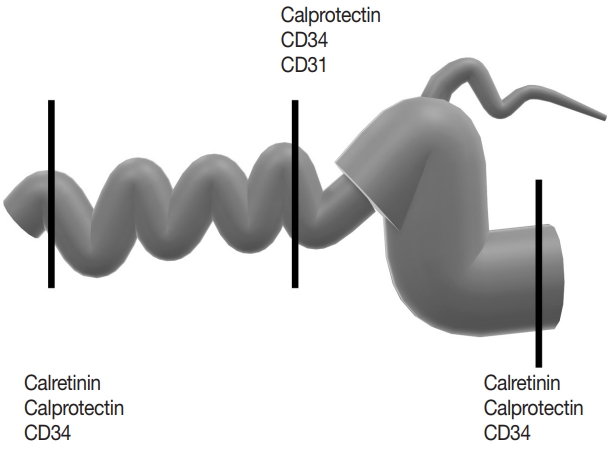
Inflammation and structural remodeling may contribute to fibrogenesis in Crohn’s disease (CD). We quantified the immunoexpression of calretinin, CD34, and calprotectin as a surrogate for mucosal innervation, telocytes (interstitial cells playing a role in networking), and inflammation, respectively, and correlated them with bowel alterations in stricturing CD.
Methods
Primary resection specimens for ileal CD (n = 44, 31 stricturing CD, 13 inflammatory CD) were identified. Left-sided ulcerative colitis and trauma cases were used as controls. Proximal and distal margin and middle (diseased) sections were stained for calretinin, CD34, and calprotectin. Microscopic images were captured from the mucosa (calretinin), submucosa (calprotectin), and myenteric plexus (CD34), and the immunostaining was quantified using image processing and analysis. Bowel thickness at the corresponding sections were measured and correlated with the amount of immunoexpression.
Results
A total of 2,037 images were analyzed. In stricturing CD, submucosal alteration/thickening at the stricture site correlated with calprotectin staining and inversely correlated with calretinin staining at the proximal margin. Muscularis propria alteration/thickening at the stricture site correlated with mucosal calretinin staining at the proximal margin. Submucosal alteration/thickening at the proximal margin correlated with calretinin and CD34 staining at the proximal margin and inversely correlated with CD34 staining at the stricture site. Calretinin immunostaining at the distal margin was significantly higher in stricturing CD than the controls.
Conclusions
Inflammation and tissue remodeling appear to contribute to fibrogenesis in stricturing CD. Increased mucosal calretinin immunostaining distal to the diseased segment could be helpful in diagnosing CD in the right clinical context. -
Citations
Citations to this article as recorded by- Pathophysiologic implications and therapeutic potentials of telocytes in multiorgan fibrosis
Irene Rosa, Eloisa Romano, Bianca Saveria Fioretto, Mirko Manetti
Current Opinion in Rheumatology.2026; 38(1): 26. CrossRef - Serum S100A8/A9 Correlates to Surgery‐Free Interval in Idiopathic Subglottic Stenosis
Laura M. Mafla, Raymond J. So, Ibrahim Abd‐Elazem, Samuel L. Collins, Yee Chan‐Li, Gabriela Lilly, Ioan A. Lina, Alexander H. Gelbard, Alexander T. Hillel, Kevin M. Motz
The Laryngoscope.2025; 135(5): 1724. CrossRef - Telocytes in inflammatory bowel diseases: contributions to pathology and therapeutic potentials
Ronaldo Paolo Panganiban, Christina McAninch, Marina Chulkina, Irina V. Pinchuk
Frontiers in Cell and Developmental Biology.2025;[Epub] CrossRef - Synergistic effects of vedolizumab and JAK 1,2,3 inhibitors in Crohn’s disease: insights from a systems biology and artificial intelligence-based approach
Ignacio Marín-Jiménez, Mónica Sierra-Ausín, Teresa Letosa-Abián, Jesús Aparicio, Carmen Montoto-Otero, Silvia Sánchez-Ramón
Frontiers in Immunology.2025;[Epub] CrossRef
- Pathophysiologic implications and therapeutic potentials of telocytes in multiorgan fibrosis
- Blocking Toll-like receptor 9 attenuates bleomycin-induced pulmonary injury
- Badr Alzahrani, Mohamed M. S. Gaballa, Ahmed A. Tantawy, Maha A. Moussa, Salma A. Shoulah, Said M. Elshafae
- J Pathol Transl Med. 2022;56(2):81-91. Published online March 2, 2022
- DOI: https://doi.org/10.4132/jptm.2021.12.27

- 10,021 View
- 160 Download
- 13 Web of Science
- 13 Crossref
-
Abstract
PDF
- Background
Acute respiratory distress syndrome (ARDS) is one of the most common complications in coronavirus disease 2019 patients suffering from acute lung injury (ALI). In ARDS, marked distortion of pulmonary architecture has been reported. The pulmonary lesions in ARDS include hemodynamic derangements (such as alveolar edema and hemorrhage), vascular and bronchiolar damage, interstitial inflammatory cellular aggregations, and eventually fibrosis. Bleomycin induces ARDS-representative pulmonary damage in mice and rats; therefore, we used bleomycin model mice in our study. Recently, Toll-like receptor 9 (TLR9) was implicated in the development of ARDS and ALI.
Methods
In this study, we evaluated the efficiency of a TLR9 blocker (ODN2088) on bleomycin-induced pulmonary damage. We measured the apoptosis rate, inflammatory reaction, and fibroplasia in bleomycin- and bleomycin + ODN2088-treated mice.
Results
Our results showed a significant amelioration in bleomycin-induced damage to pulmonary architecture following ODN2088 treatment. A marked decrease in pulmonary epithelial and endothelial apoptosis rate as measured by cleaved caspase-3 expression, inflammatory reaction as indicated by tumor necrosis factor α expression, and pulmonary fibrosis as demonstrated by Van Gieson staining and α-smooth muscle actin immunohistochemistry were observed following ODN2088 treatment.
Conclusions
All these findings indicate that blocking downstream TLR9 signaling could be beneficial in prevention or mitigation of ARDS through hemodynamic derangements, inflammation, apoptosis, and fibrosis. -
Citations
Citations to this article as recorded by- Nano-sized DNase scavenges cell-free DNA for acute lung injury treatment
Ruijie Chen, Yitianhe Xu, Zhanzheng Ye, Yixuan Zhu, Mengxue Zhang, Fangfang Lv, Yunzhi Wang, Xinyu Di, Yinhao Lin, Shengnan Song, Zihao Huang, Shize Li, Zhinan He, Hailin Zhang, Longfa Kou
Journal of Controlled Release.2026; 394: 114846. CrossRef - Pharmacological repurposing of cilostazol to attenuate the progression of pulmonary fibrosis: efficacy validation via integrated network pharmacology and in vivo experimentation
Pranaya L. Misar, Kishor V. Otari, Vishal V. Pande, Pradyumna P. Ige
Naunyn-Schmiedeberg's Archives of Pharmacology.2026; 399(11): 17781. CrossRef - A novel mouse model of myositis-associated interstitial lung disease was established by using TLR9 agonist combined with muscle homogenate
Ling Bai, Jiarui Zhu, Wenlan Ma, Peipei Zhao, Feifei Li, Cen Zhang, Sigong Zhang
Clinical and Experimental Immunology.2025;[Epub] CrossRef - Toll-like Receptor 9 Inhibition Mitigates Fibroproliferative Responses in Translational Models of Pulmonary Fibrosis
Glenda Trujillo, Alicia Regueiro-Ren, Chunjian Liu, Buqu Hu, Ying Sun, Farida Ahangari, Vitoria Fiorini, Genta Ishikawa, Karam Al Jumaily, Johad Khoury, John McGovern, Chris J. Lee, Xue Yan Peng, Taylor Pivarnik, Huanxing Sun, Anjali Walia, Samuel Woo, Sh
American Journal of Respiratory and Critical Care Medicine.2025; 211(1): 91. CrossRef - CD103+ dendritic cell–fibroblast crosstalk via TLR9, TDO2, and AHR signaling drives lung fibrogenesis
Hannah Carter, Rita Medina Costa, Taylor S. Adams, Talon M. Gilchrist, Claire E. Emch, Monica Bame, Justin M. Oldham, Steven K. Huang, Angela L. Linderholm, Imre Noth, Naftali Kaminski, Bethany B. Moore, Stephen J. Gurczynski
JCI Insight.2025;[Epub] CrossRef - The Mitigated Effect of the Combination of Metformin and Stearic Acid to Ameliorate Bleomycin‐Induced Pulmonary Fibrosis in Rats via Inhibiting Gal‐3/Smad3/α‐SMA and TNF‐α/NF‐κβ Signaling Pathways
Maha M. Salem, Nermin S. Youssef, Mai El Keiy, Abeer A. Khamis
Journal of Biochemical and Molecular Toxicology.2025;[Epub] CrossRef - Unraveling the Interactive Role of Mitochondrial Dysfunction in Promoting Macrophage Polarization in Pulmonary Fibrosis
Jiajia Zou, Junling Jian, Dehua Ge, Bin Zhou, Jiaxiang Zhang
Journal of Biochemical and Molecular Toxicology.2025;[Epub] CrossRef - Mechanisms underlying dose-limiting toxicities of conventional chemotherapeutic agents
Mohammad Amin Manavi, Mohammad Hosein Fathian Nasab, Razieh Mohammad Jafari, Ahmad Reza Dehpour
Journal of Chemotherapy.2024; 36(8): 623. CrossRef - Innate Immune Response-Mediated Inflammation in Viral Pneumonia
Weiwei Ni, Xin Wei, Rui Wu
Journal of Pediatric Infectious Diseases.2024; 19(03): 140. CrossRef - Combination of losartan with pirfenidone: a protective anti-fibrotic against pulmonary fibrosis induced by bleomycin in rats
Arian Amirkhosravi, Maryamossadat Mirtajaddini Goki, Mahmoud Reza Heidari, Somayyeh Karami-Mohajeri, Maryam Iranpour, Maryam Torshabi, Mitra Mehrabani, Ali Mandegary, Mehrnaz Mehrabani
Scientific Reports.2024;[Epub] CrossRef - Suppression of miR-17 Alleviates Acute Respiratory Distress-associated Lung Fibrosis by Regulating Mfn2
Mei-xia Xu, Tao Xu, Ning An
Current Medical Science.2024; 44(5): 964. CrossRef - Study of Recombinant Interleukin-1 Receptor Antagonist Compositions Biological Activity After Injection and Inhalation in Mouse Model of Pulmonary Inflammation
Alexander M. Ischenko, Ksenia A. Nekrasova, Denis S. Laptev, Dmitry V. Bobkov, Alexander A. Kolobov, Andrey S. Simbirtsev
Cytokines and inflammation.2024; 21(3): 153. CrossRef - TLR9: A friend or a foe
Mona M. Saber, Nada Monir, Azza S. Awad, Marwa E. Elsherbiny, Hala F. Zaki
Life Sciences.2022; 307: 120874. CrossRef
- Nano-sized DNase scavenges cell-free DNA for acute lung injury treatment
- Significance of Intratumoral Fibrosis in Clear Cell Renal Cell Carcinoma
- Jae Won Joung, Hoon Kyu Oh, Sun Jae Lee, Young Ah Kim, Hyun Jin Jung
- J Pathol Transl Med. 2018;52(5):323-330. Published online August 19, 2018
- DOI: https://doi.org/10.4132/jptm.2018.07.21
- 10,426 View
- 165 Download
- 22 Web of Science
- 21 Crossref
-
Abstract
PDF
- Background
Intratumoral fibrosis (ITF) is a frequent histologic finding in solid organ tumors. Renal cell carcinoma (RCC) is a highly vascularized tumor with different shapes and degrees of ITF and inflammation. ITF is a poor prognostic factor, especially in breast cancer, and is related to intratumoral necrosis (ITN) and intratumoral inflammation (ITI). However, the significance of ITF in RCC has not been fully studied. In this study, we evaluate the relationships between ITF and other clinicopathologic parameters associated with RCC prognosis.
Methods
ITF was evaluated in 204 clear cell renal cell carcinoma (CCRCC) specimens according to presence and grade of fibrosis, degree of ITI, and presence of ITN. Lysyl oxidase (LOX) expression in tumor cells was also evaluated with clinicopathologic parameters.
Results
Among 204 CCRCC cases, 167 (81.7%) showed ITF, 71 (34.8%) showed ITI, 35 (17.2%) showed ITN, and 111 (54.4%) showed LOX expression. ITF correlated with Fuhrman nuclear grade (p = .046), lymphovascular invasion (LVI) (p = .027), and ITN (p = .036). Patients with ITF had a poor five-year overall survival rate (p = .104).
Conclusions
ITF is related to other poor prognostic factors in CCRCC, such as Fuhrman nuclear grade, ITN, and LVI, but ITF itself had no significant correlation with prognosis of CCRCC. -
Citations
Citations to this article as recorded by- Mutational scanning reveals oncogenic CTNNB1 mutations have diverse effects on signaling
Anagha Krishna, Alison Meynert, Karamjit Singh Dolt, Martijn Kelder, Agavni Mesropian, Ailith Ewing, Conny Brouwers, Jill WC Claassens, Margot M. Linssen, Shahida Sheraz, Gillian CA Taylor, Philippe Gautier, Anna Ferrer-Vaquer, Graeme Grimes, Hannes Beche
Nature Genetics.2026; 58(2): 366. CrossRef - A patient-derived ccRCC model that retains native stromal features to assess fibrosis-driven personalized therapeutic response
Alexis Perreault, Kelly Harper, Martine Charbonneau, Karine Brochu-Gaudreau, Robert Sabbagh, Patrick O. Richard, Nadia Ekindi-Ndongo, Claudio Jeldres, Claire M. Dubois
Scientific Reports.2026;[Epub] CrossRef - From inflammatory effectors to tissue sculptors: non-canonical functions of neutrophils in repair, barrier remodelling and fibrosis
Jiaqi Liu, Junzhe Chen, Ziyi Luo, Yuezhong Chen, Shaoxiang Yuan, Jin Li
Frontiers in Immunology.2026;[Epub] CrossRef - Matrix Architecture and Integrin Branch Balance Distinguish Immune-Regulatory States in Clear Cell Renal Cell Carcinoma
Caner Karaca, Mehmet Emin Arayici, Hüseyin Salih Semiz, Hulya Ellidokuz, Yasemin Basbinar
Current Issues in Molecular Biology.2026; 48(8): 789. CrossRef - Postoperative prognostic assessment using ECV fraction derived from equilibrium contrast-enhanced CT in thymomas
Koji Takumi, Hiroto Hakamada, Hiroaki Nagano, Ryota Nakanosono, Fumiko Kanzaki, Masanori Nakajo, Kiyohisa Kamimura, Masatoyo Nakajo, Daigo Nagano, Kazuhiro Ueda, Takashi Yoshiura
European Journal of Radiology.2025; 184: 111978. CrossRef - FAP+ fibroblasts orchestrate tumor microenvironment remodeling in renal cell carcinoma with tumor thrombus
Jiacheng Ma, Yan Huang, Jie Chen, Yang Li, Rongyan Yao, Xiubin Li, Qiyang Liang, Xinran Chen, Cheng Peng, Kan Liu, Yuanjun Zhai, Xu Zhang, Xin Ma, Xiaowen Wang, Qingbo Huang, Fuchu He
Nature Communications.2025;[Epub] CrossRef - New insights into fibrotic signaling in renal cell carcinoma
Jiao-Yi Chen, Wai-Han Yiu, Patrick Ming-Kuen Tang, Sydney Chi-Wai Tang
Frontiers in Cell and Developmental Biology.2023;[Epub] CrossRef - Tumor-associated fibrosis impairs the response to immunotherapy
Angha Naik, Andrew Leask
Matrix Biology.2023; 119: 125. CrossRef - Decreased renal expression of PAQR5 is associated with the absence of a nephroprotective effect of progesterone in a rat UUO model
P. A. Abramicheva, D. S. Semenovich, L. D. Zorova, I. B. Pevzner, I. A. Sokolov, V. A. Popkov, E. P. Kazakov, D. B. Zorov, E. Y. Plotnikov
Scientific Reports.2023;[Epub] CrossRef - Intratumoral fibrosis and patterns of immune infiltration in clear cell renal cell carcinoma
Songchen Han, Wenbo Yang, Caipeng Qin, Yiqing Du, Mengting Ding, Huaqi Yin, Tao Xu
BMC Cancer.2022;[Epub] CrossRef - Siglec-F–expressing neutrophils are essential for creating a profibrotic microenvironment in renal fibrosis
Seungwon Ryu, Jae Woo Shin, Soie Kwon, Jiwon Lee, Yong Chul Kim, Yoe-Sik Bae, Yong-Soo Bae, Dong Ki Kim, Yon Su Kim, Seung Hee Yang, Hye Young Kim
Journal of Clinical Investigation.2022;[Epub] CrossRef - The atypical sphingosine 1‐phosphate variant, d16:1 S1P, mediates CTGF induction via S1P2 activation in renal cell carcinoma
Melanie Glueck, Alexander Koch, Robert Brunkhorst, Nerea Ferreiros Bouzas, Sandra Trautmann, Liliana Schaefer, Waltraud Pfeilschifter, Josef Pfeilschifter, Rajkumar Vutukuri
The FEBS Journal.2022; 289(18): 5670. CrossRef - The Synergistic Cooperation between TGF-β and Hypoxia in Cancer and Fibrosis
Pramod Mallikarjuna, Yang Zhou, Maréne Landström
Biomolecules.2022; 12(5): 635. CrossRef - In Vitro Characterization of Renal Drug Transporter Activity in Kidney Cancer
Pedro Caetano-Pinto, Nathanil Justian, Maria Dib, Jana Fischer, Maryna Somova, Martin Burchardt, Ingmar Wolff
International Journal of Molecular Sciences.2022; 23(17): 10177. CrossRef - PD-1 immunobiology in glomerulonephritis and renal cell carcinoma
Colleen S. Curran, Jeffrey B. Kopp
BMC Nephrology.2021;[Epub] CrossRef - Intratumoral Fibrosis in Facilitating Renal Cancer Aggressiveness: Underlying Mechanisms and Promising Targets
Chao Hu, Yufeng Zhao, Xuanchuan Wang, Tongyu Zhu
Frontiers in Cell and Developmental Biology.2021;[Epub] CrossRef - What Mediates Fibrosis in the Tumor Microenvironment of Clear Renal Cell Carcinoma
Wenbo Yang, Caipeng Qin, Jingli Han, Songchen Han, Wenjun Bai, Yiqing Du, Tao Xu
Frontiers in Genetics.2021;[Epub] CrossRef - Kidney Cancer and Chronic Kidney Disease: Too Close for Comfort
Pedro Caetano Pinto, Cindy Rönnau, Martin Burchardt, Ingmar Wolff
Biomedicines.2021; 9(12): 1761. CrossRef - The Significance of Fibrosis Quantification as a Marker in Assessing Pseudo-Capsule Status and Clear Cell Renal Cell Carcinoma Prognosis
Caipeng Qin, Huaqi Yin, Huixin Liu, Feng Liu, Yiqing Du, Tao Xu
Diagnostics.2020; 10(11): 895. CrossRef - The challenges of adoptive cell transfer in the treatment of human renal cell carcinoma
Zuzana Strizova, Jirina Bartunkova, Daniel Smrz
Cancer Immunology, Immunotherapy.2019; 68(11): 1831. CrossRef - Procollagen-lysine, 2-oxoglutarate 5-dioxygenases 1, 2, and 3 are potential prognostic indicators in patients with clear cell renal cell carcinoma
Wen-Hao Xu, Yue Xu, Jun Wang, Xi Tian, Junlong Wu, Fang-Ning Wan, Hong-Kai Wang, Yuan-Yuan Qu, Hai-Liang Zhang, Ding-Wei Ye
Aging.2019; 11(16): 6503. CrossRef
- Mutational scanning reveals oncogenic CTNNB1 mutations have diverse effects on signaling
- Usual Interstitial Pneumonia with Lung Cancer: Clinicopathological Analysis of 43 Cases
- Dae Hyun Song, In Ho Choi, Sang Yun Ha, Kang Min Han, Jae Jun Lee, Min Eui Hong, Kyeongman Jeon, Man Pyo Chung, Jhingook Kim, Joungho Han
- Korean J Pathol. 2014;48(1):10-16. Published online February 25, 2014
- DOI: https://doi.org/10.4132/KoreanJPathol.2014.48.1.10
- 13,284 View
- 80 Download
- 17 Crossref
-
Abstract
PDF
Background Previous studies have suggested an association between usual interstitial pneumonia (UIP) and lung cancer (Ca). However, clinical and histological information is not enough to determine such an association, due to the low incidence and short survival time of patients with both conditions.
Methods We retrospectively reviewed the clinical and histological records of Ca patients with UIP between January 1999 and August 2013 at the Samsung Medical Center, Seoul, Korea. We found 43 patients who had Ca with UIP (UIP-Ca). Previously reported data of eighty-four patients with UIP-only were included as a comparison group.
Results Smoking is related to poor prognosis in patients with UIP-Ca, and the number of patients with a high smoking index of more than 30 pack-years significantly increased in UIP-Ca patients compared with UIP-only patients. There is no significant prognostic differentiation between UIP-Ca patients and UIP-only patients. Microscopically, UIP-Ca patients showed characteristically heterogeneous histological patterns and degrees of differentiation. There were many foci of squamous metaplasia or dysplasia at the peripheral area of squamous cell carcinomas.
Conclusions We report 43 cases of UIP-Ca. Our results suggest that smoking is related to cancer occurrence in UIP patients and poor prognosis in UIP-Ca patients.
-
Citations
Citations to this article as recorded by- Treatable traits in interstitial lung disease: a narrative review
Megan Harrison, Chloe Lawler, Fiona Lake, Vidya Navaratnam, Caitlin Fermoyle, Yuben Moodley, Tamera J. Corte
Therapeutic Advances in Respiratory Disease.2025;[Epub] CrossRef - Usual Interstitial Pneumonia and Lung Cancer
Lamiyae Senhaji, Meryem Karhate, Abir Bouhamdi, Mounia Serraj, Mohamed ElBiaze, Mohammed Chakib Benjelloun, Badreddine Alami, Bouchra Amara
Cureus.2025;[Epub] CrossRef - Prognosis of idiopathic pulmonary fibrosis without anti-fibrotic therapy: a systematic review
Yet H. Khor, Yvonne Ng, Hayley Barnes, Nicole S.L. Goh, Christine F. McDonald, Anne E. Holland
European Respiratory Review.2020; 29(157): 190158. CrossRef - Linfoma difuso de células B grandes pulmonar en paciente con neumonía intersticial no específica
Luis Gorospe Sarasúa, Paola Arrieta, Anabelle Chinea-Rodríguez, Carlos de la Puente-Bujidos
Reumatología Clínica.2019; 15(6): e151. CrossRef - Diffuse Large B-cell Lymphoma of the Lung in a Patient With Nonspecific Interstitial Pneumonia
Luis Gorospe Sarasúa, Paola Arrieta, Anabelle Chinea-Rodríguez, Carlos de la Puente-Bujidos
Reumatología Clínica (English Edition).2019; 15(6): e151. CrossRef - Characteristics of lung cancer among patients with idiopathic pulmonary fibrosis and interstitial lung disease – analysis of institutional and population data
Joo Heung Yoon, Mehdi Nouraie, Xiaoping Chen, Richard H Zou, Jacobo Sellares, Kristen L Veraldi, Jared Chiarchiaro, Kathleen Lindell, David O Wilson, Naftali Kaminski, Timothy Burns, Humberto Trejo Bittar, Samuel Yousem, Kevin Gibson, Daniel J Kass
Respiratory Research.2018;[Epub] CrossRef - Genomic profiles of lung cancer associated with idiopathic pulmonary fibrosis
Ji An Hwang, Deokhoon Kim, Sung‐Min Chun, SooHyun Bae, Joon Seon Song, Mi Young Kim, Hyun Jung Koo, Jin Woo Song, Woo Sung Kim, Jae Cheol Lee, Hyeong Ryul Kim, Chang‐Min Choi, Se Jin Jang
The Journal of Pathology.2018; 244(1): 25. CrossRef - Survival after repeated surgery for lung cancer with idiopathic pulmonary fibrosis: a retrospective study
Seijiro Sato, Yuki Shimizu, Tatsuya Goto, Akihiko Kitahara, Terumoto Koike, Hiroyuki Ishikawa, Takehiro Watanabe, Masanori Tsuchida
BMC Pulmonary Medicine.2018;[Epub] CrossRef - Alveolar Squamous Cell Metaplasia: Preneoplastic Lesion?
Adriana Handra-Luca
Journal of Pathology and Translational Medicine.2018; 52(6): 355. CrossRef - Low expression of long noncoding RNA CDKN2B-AS1 in patients with idiopathic pulmonary fibrosis predicts lung cancer by regulating the p53-signaling pathway
Yufeng Du, Xiaoyan Hao, Xuejun Liu
Oncology Letters.2018;[Epub] CrossRef - A clinicopathological study of surgically resected lung cancer in patients with usual interstitial pneumonia
Yasutaka Watanabe, Yoshinori Kawabata, Nobuyuki Koyama, Tomohiko Ikeya, Eishin Hoshi, Noboru Takayanagi, Shinichiro Koyama
Respiratory Medicine.2017; 129: 158. CrossRef - Risk of the preoperative underestimation of tumour size of lung cancer in patients with idiopathic interstitial pneumonias
Mariko Fukui, Kazuya Takamochi, Takeshi Matsunaga, Shiaki Oh, Katsutoshi Ando, Kazuhiro Suzuki, Atsushi Arakawa, Toshimasa Uekusa, Kenji Suzuki
European Journal of Cardio-Thoracic Surgery.2016; 50(3): 428. CrossRef - The Idiopathic Interstitial Pneumonias: Histology and Imaging
Diane C. Strollo, Teri J. Franks, Jeffrey R. Galvin
Seminars in Roentgenology.2015; 50(1): 8. CrossRef - Do Chest Expansion Exercises Aid Re‐shaping the Diaphragm Within the First 72 Hours Following Lung Transplantation in a Usual Interstitial Pneumonia Patient?
Massimiliano Polastri, Erika Venturini, Saverio Pastore, Andrea Dell'Amore
Physiotherapy Research International.2015; 20(3): 191. CrossRef - Scrotal wall metastasis from a primary lung adenocarcinoma
Marie-Louise M. Coussa-Koniski, Pia A. Maalouf, Nehme E. Raad, Noha A. Bejjani
Respiratory Medicine Case Reports.2015; 15: 77. CrossRef - The Ratio KL-6 to SLX in Serum for Prediction of the Occurrence of Drug-Induced Interstitial Lung Disease in Lung Cancer Patients with Idiopathic Interstitial Pneumonias Receiving Chemotherapy
Kosuke Kashiwabara, Hiroshi Semba, Shinji Fujii, Shinsuke Tsumura, Ryota Aoki
Cancer Investigation.2015; 33(10): 516. CrossRef - Idiopathic pulmonary fibrosis will increase the risk of lung cancer
Li Junyao, Yang Ming, Li Ping, Su Zhenzhong, Gao Peng, Zhang Jie
Chinese Medical Journal.2014; 127(17): 3142. CrossRef
- Treatable traits in interstitial lung disease: a narrative review
- Transcriptional Regulation of Hepatic Stellate Cell Activation by siRNA for TGF-beta1.
- Hoon Kyu Oh, Kyung Hyun Kim, Yoon Sup Keum, Chang Ho Cho, Jae Bok Park, Kwan Kyu Park
- Korean J Pathol. 2009;43(6):503-508.
- DOI: https://doi.org/10.4132/KoreanJPathol.2009.43.6.503
- 6,044 View
- 41 Download
- 1 Crossref
-
Abstract
PDF
- BACKGROUND
The cytokine-induced activation of hepatic stellate cells (HSC) plays a major role in liver fibrosis. Quiescent HSCs undergo phenotypic transformation called "transdifferentiation" in response to viral, chemical or immune insults to the liver. The cytokine TGF-beta1 plays a key role in progressive liver fibrosis. Since small interfering RNA (siRNA) is a powerful tool for silencing gene expression post-transcriptionally, the present study aimed to determine whether synthetic TGF-beta1 siRNA down-regulates the expression of the TGF-beta1 gene in immortalized and activated rat HSCs (HSC-T6s). The study examined whether synthetic TGF-beta1 siRNA prevents rat HSCs activation and extracellular matrix (ECM) production.
METHODS
TGF-beta1 siRNA or a control (pU6) siRNA was added to HSC-T6 culture media. We then performed RT-PCR and western blot analyses for TGF-beta1 and ECM components (fibronectin, type-I collagen, and TIMP-1). RESULTS: TGF-beta1 siRNA significantly down-regulated expression of TGF-beta1 mRNA and protein and attenuated mRNA and protein expressions of type-I collagen, fibronectin, and TIMP-1, as compared to the control. CONCLUSIONS: TGF-beta1 siRNA can effectively down-regulate the expression of TGF-beta1 in rat HSC, resulting in significant inhibition of HSC activation and of ECM production. These data indicate that synthetic TGF-beta1 siRNA can be a useful treatment modality to prevent liver fibrosis. -
Citations
Citations to this article as recorded by- Glaucocalyxin A Attenuates the Activation of Hepatic Stellate Cells Through the TGF-β1/Smad Signaling Pathway
Zhichao Dong, Qi Gao, Hao Guo
DNA and Cell Biology.2018; 37(3): 227. CrossRef
- Glaucocalyxin A Attenuates the Activation of Hepatic Stellate Cells Through the TGF-β1/Smad Signaling Pathway
- Reducing Effect of Angiotensin-1 Converting Enzyme Inhibitor (Captopril) in Fibrosis of Radiation Induced Lung Injury.
- Kun Young Kwon, Hae Ra Jung, Sun Young Kwon, Jin Hee Kim, Ok Bae Kim
- Korean J Pathol. 2004;38(3):145-156.
- 2,462 View
- 15 Download
-
Abstract
PDF
- BACKGROUND
The captopril reduces radiation induced lung injury and fibrosis. We designed a study to evaluate the antifibrogenic effect of Captopril in radiation induced lung injury.
METHODS
Fifty Sprague-Dawley rats were divided into radiation group (I) (n=30) and radiation plus captopril group (II) (n=15). The rats were sacrificed at 12 hours and 11 weeks after radiation. We examined light microscopic, immunohistochemical and electron microscopic features in each groups.
RESULTS
In Group I, the lungs showed acute lung injury at 12 h. The lungs showed patchy fibrosis with collagen deposits at 11 weeks. The severity of the alveolar injury and fibrosis was correlated with radiation doses. The Group II showed less severe lung fibrosis than Group I. The mean numbers of mast cells and myofibroblasts of Group II were lower than Group I (p< 0.05). The TNF-alpha and TGF-beta were higher expressed according to radiation doses in Group I, and less prominent in Group II. Ultrastructurally, the alveolar cell injury and fibrosis were less severe in Group II. The TUNEL stains showed higher expressions according to radiation doses in Group I, and expressed in Group II.
CONCLUSIONS
The captopril decreases the number of mast cells and myofibroblasts, reduces collagen deposition and apoptosis of alveolar cells in rat lungs after radiation, and so reduces the degree of pulmonary injury and fibrosis.
- Congenital Hepatic Fibrosis with Caroli's Disease.
- Yoon Jung Kim, Soon Ae Oak, In Chul Lee
- Korean J Pathol. 1997;31(3):275-279.
- 2,346 View
- 15 Download
-
Abstract
PDF
- Congenital hepatic fibrosis is an inherited, congenital disorder of the liver, and is occasionally associated with cystic disease of the liver and kidney. We present a case of congenital hepatic fibrosis with Caroli's disease. A 21-year-old woman had suffered from an episodic fever with headaches for 3 years. In laboratory examination, the liver function test was within the normal limits. Esophageal varix was noted by an endoscopic examination. Hepatosplenomegaly and multiple dilated bile ducts were seen by abdominal CT scanning. An orthotopic whole liver transplantation was done. The liver was fibrotic and enlarged. Multiple cystically dilated intrahepatic ducts were noted. Microscopically, diffuse portal fibrosis and widening with proliferation of bile ductules were seen. Intrahepatic bile ducts were markedly dilated and tortuous. The liver cell cords were well preserved.
- Histopathologic Analysis of the Repeated Renal Biopsies in the Course of Lupus Nephropathy.
- Chong Woo Yoo, Hyun Soon Lee
- Korean J Pathol. 1997;31(5):436-445.
- 2,384 View
- 15 Download
-
Abstract
PDF
- Lupus nephropathy shows a variable clinical course including remission, relapse and progression to renal failure. To examine the clinical or morphological parameters which might be related to the progression of lupus nephropathy, we have analyzed renal biopsies of 19 patients (M : F=5 : 14), who underwent repeated renal biopsies by morphology and morphometry. The average age of the patients was 22.8+/-9.0 years. The mean interval between two biopsies was 34.5+/-13.3 months. The first renal biopsies of these patients were diagnosed with WHO class IV (74%), class II (11%), class I (5%), class III (5%), and class V (5%). According to the clinical data the patients were divided into 3 groups, static, relapsing and progressive. At the time of the first biopsies, the amount of proteinuria in both the static and relapsing groups was significantly higher than that in the progressive group (P<0.05). The volume density of the renal cortical interstitium of the first biopsies in the progressive group was significantly greater than that in the static and relapsing groups (0.14+/-0.07 micrometer3/micrometer3 vs. 0.05+/-0.02 micrometer3/micrometer3, P<0.05; 0.14+/-0.07 micrometer3/micrometer3 vs. 0.05+/-0.04 micrometer3/micrometer3, P<0.05). The activity index of the second biopsies in the relapsing group was significantly higher than that in the static group (2.7+/-0.6 vs 1.2+/-1.0, P<0.05). In the progressive group, the percentage of glomeruli with global sclerosis and the volume density of the renal cortical interstitium in the second biopsies was elevated over the first biopsies (P<0.05). Half of the patients in the static and relapsing groups underwent a morphologic transformation on the second biopsy. However, of the 7 patients in the progressive group, only one showed a transformation from WHO class IV to class III, suggesting that the transformation is not related to the progression of lupus nephropathy. These results suggest that interstitial expansion and heavy proteinuria at the time of the first renal biopsy may bode for poor prognosis in lupus nephropathy. Furthermore, they suggest that an increased histologic activity index could be related to the relapse of the disease.
- The Effects of Immunosuppressant and Immunostimulant on the Splenic Cell Subset of Rats Having Undergone Experimentally Induced Septal Fibrosis of Liver.
- Mee Young Sol, Joon Yeon Kim, Sun Kyoung Lee
- Korean J Pathol. 1995;29(5):572-583.
- 2,254 View
- 10 Download
-
Abstract
- Although there have been many reports about the importance of the spleen's role in hepatic fibrogenesis, the exact mechanism is still uncertain. The author designed this study to evaluate splenic function on hepatic fibrogenesis. The degree of hepatic fibrosis and the population of splenocyte subsets were studied in the experimental animal model with fibrosis produced by injecting normal swine serum intra-peritoneally into Sprague-Dawley rats. The animals were divided into three groups; group A was subjected to injection of swine serum only, group B swine serum and complete Freund's adjuvant and group C swine serum and cyclosporin A. The experimental hepatic fibrogenesis by swine serum was augumented by coinjection with the adjuvant and inhibited by cyclosporin A. The study of the splenocyte subset revealed increased percentages of spienic B cell and CD4+ cell and a decreased percentage of CD8+ cell, and these changes of splenocyte subset were also augumented by the adjuvant and inhibited by cyclosporin A. The percent of monocytes was not significantly altered, although a tendancy of early decrease by the adjuvant was noted.
- Inhibitory Effect of Tetrandrine on Extracellular Matrix Deposition in Rat Hepatic Fibrosis.
- Won Young Choi, Hyo Jeong Chae, Sun Kyung Lee
- Korean J Pathol. 1999;33(5):319-325.
- 2,333 View
- 20 Download
-
Abstract
PDF
- No effective therapy has yet developed for liver fibrosis/cirrhosis by directly inhibiting the accumulation of extracellular matrix. This study was undertaken to determine the effect of tetrandrine in rat model of liver fibrosis induced by carborn tetrachloride (CCl4) administration intraorally. Tetrandrine, a calcium channel blocker, is anti-inflammatory constituent of the families Menispermaceae and Ranunculaceae, which have been used as folk remedies in China. Repeated administration of CCl4 for 14 weeks to rats induced liver fibrosis with steatosis. Rats were killed after 4, 8 or 14 weeks of treatment with CCl4, CCl4 tetrandrine (30 mg/kg) or CCl4 tetrandrine (50 mg/kg). The histopathological findings of liver were observed semi-quantitatively by light microscopy and volume percentage of the collagen deposition was determined by image analyzer. Tetrandrine inhibited collagen deposition induced by CCl4 administration, as shown by less severe steatosis and fibrosis and significantly decreased volume percentage of collagen fibers in CCl4 tetrandrine treated animals compared with CCl4 only group. Thus, the administration of tetrandrine holds great promise for treating subjects with liver fibrosis/cirrhosis as a result of chronic hepatic injury.
- Cellular Distribution of TGF-beta1 Peptide in Dimethylnitrosamine Induced Fibrosis of Rat Liver.
- Sook Nyo Lee, Do Youn Park, Sun Kyung Lee
- Korean J Pathol. 1997;31(11):1157-1165.
- 2,248 View
- 11 Download
-
Abstract
- Recently attention has been focused on the biology of transforming growth factor-beta1 (TGF-beta1). TGF-beta1, a potent regulator of cell proliferation, stimulates the proliferation of many cell types of mesenchymal origin and inhibits the growth of many epithelial cells. But its cellular distribution and temporal expression remain unknown. The aim of this study was to investigate immunohistochemically the cellular distribution and temporal expression of TGF-beta1 during rat hepatic fibrosis induced by dimethylnitrosamine (DMN). At an early stage of liver fibrosis, there was evidence of multiple centrilobular hemorrhagic necrosis with parenchymal lobular collapse, and at a late stage, there was septal fibrosis with micronodule formation of the parenchyme. TGF-beta1 peptide was first expressed in centrilobular clusters of macrophage which were surrounded by many TGF-beta1 negative fat-storing cells (FSCs). Along with the progression of fibrosis, the TGF-beta1 peptide was expressed in the alpha-smooth muscle actin positive FSCs and also in some peripherally located hepatocytes of micronodules. Serum IFN-gamma was detected in the serum 2 weeks after an initial administration of DMN had reached the peak level at the 4th week and then markedly decreased at the 5th week. We think that TGF-beta1 peptide is produced by macrophages influenced by soluble IFN-gamma, and is expressed in the -smooth muscle actin positive mesenchymal cells and regenerating hepatocytes, and that this cytokine may have an important role in the synthesis of the extracellular matrix and in the regulation of hepatocytic regeneration.
- The Effect of Ethanol on 3'-Methyl-4-dimethylaminoazobenzene Induced Carcinogenesis in Rat Liver.
- Chan Il Park, Ho Guen Kim, So Young Jin, Woo Ick Yang, Yoo Bock Lee
- Korean J Pathol. 1991;25(1):21-29.
- 2,268 View
- 11 Download
-
Abstract
PDF
- This study is aimed to elucidate the biological nature of the precancerous lesions and to evaluate whether the ethanol alters 3'-Methyl-4-dimethylaminoazobenzene (3'-Me-DAB) induced experimental hepatocarcinogenesis. A total of 108 Sprague-Dawley male rats were used for the experiment and divided into 6 groups according to 3'-Me-DAB and ethanol administration. Administration of the drugs were carried out daily by nasogastric tube insertion and the animals were sacrificed at different interval. A part of right lateral lobe was prepared for the histological examination. Cell kinetics of the immunohistochemical method for bromodeoxyuridine (BrdU). The administration of 3'-Me-DAB induced oval cell proliferation, hyperplastic nodule, cholangiofibrosis and carcinoma in the liver. The mean labelling indices, the percentages of BrdU labelled cells, of hepatocytes were increased by administration of 3'-Me-DAB, only to reverse after cessation of the drug (2.58 vs 0.61). The labelling indices of the oval cells were also affected by the administration and cessation of 3'-Me-DAB (11.41 vs 4.48). In contrast, the cholangiofibrosis did not decrease but were still increasing following cessation of 3'-Me-DAB administration (4.37 vs 5.17 and 8.25 vs 11.29). These finding that the hyperplastic nodule and particularly the cholangiofibrosis have an autonomous proliferative potential and are definite precancerous lesions in the experimental hepatocarcinogenesis. Short term administration of ethanol decreased the incidence of development of the precancerous lesions, but did not affect the labelling indices in all the pathologic lesions of hepatocarcinogenesis.
- Structural-Functional Relationships in Renal Amyloidosis.
- Myeong Cherl Kook, Hyun Soon Lee
- Korean J Pathol. 1997;31(11):1190-1199.
- 2,247 View
- 10 Download
-
Abstract
- The pathogenetic mechanism of renal dysfunction in renal amyloidosis is poorly understood. To evaluate the morphologic parameters which are correlated with renal function in this disorder, we have examined renal biopsies from 14 patients with renal amyloidosis by morphometry. Of the 14 patients, 8 were male and 6 were female. They were between 41 and 70 years of age. The serum concentration of albumin and creatinine were 2.1+/-0.7 mg/dl and 1.1+/-0.5 mg/dl, respectively. The 24-hour excretion of urinary protein was 7.9+/-5.2 g. Creatinine clearance was 62+/-23 ml/min/1.73m2. The mean glomerular volume (MGV) was (2.2+/-1.3) 10(6) micrometer3. The surface density of peripheral glomerular basement membrane [Sv (PGBM/glom)] was 0.049+/-0.027 (micrometer3/micrometer3). Volume density of mesangium [Vv (mes/glom)] was 0.31+/-0.14 (micrometer3/micrometer3) and volume density of glomerular amyloid deposition [Vv (amyl/glom)] was 0.21+/-0.14 (micrometer3/micrometer3). The volume density of cortical interstitium [Vv (int/cortex)] was 0.14+/-0.09 (micrometer3/micrometer3). The serum creatinine concentration was significantly correlated with Vv (int/cortex) (r=+0.66, p<0.05). MGV was correlated with Vv (mes/glom) (r=+0.75, p<0.01) and Vv (amyl/glom) (r= +0.68, p<0.05) but showed negative correlation with Sv (PGBM/glom) (r=-0.79, p<0.01). Sv (PGBM/glom) showed negative correlation with Vv (mes/glom) (r=-0.77, p<0.01) and with Vv (amyl/glom) (r=-0.87, p<0.01). Positive correlation was observed between Vv (mes/glom) and Vv (amyl/glom) (r=+0.95, p<0.01). These results suggest that the decreased renal function in patients with amyloidosis is related to interstitial fibrosis rather than glomerular lesions. In addition, glomerular hypertrophy in these patients is related to amyloid deposition in the mesangium and peripheral glomerular basement membrane.
- Congenital Hepatic Fibrosis: A case report.
- Weon Young Choi, Sun Hee Yoon, In Sook Lim, Ha Jin Choi
- Korean J Pathol. 1991;25(1):50-53.
- 2,340 View
- 13 Download
-
Abstract
PDF
- Congenital hepatic fibrosis is an uncommon disease of children and young adults with two major risks: gastrointestinal hemorrhage caused by portal hypertension, and cholangitis related to bacterial infection of dilated intrahepatic bile ducts. It is characterizeed by stony hard hepatomegaly and portal hypertension with rather well preserved hepatic function and architecture, and frequent association of the renal lesions. We have recently experienced a case of congenital hepatic fibrosis in a 24 year-old Korean male. The chief complaint was hematemesis from esophageal varices. There were marked hepatosplenomegaly, mild pancytopenia and the liver function test was within normal engorgement and dilatation of portal and splenic veins and multiple cysts of both kidneys.
- Pathology of Chronic Interstitial Lung Disease.
- Dong Hwan Shin
- Korean J Pathol. 1998;32(1):1-8.
- 3,193 View
- 52 Download
-
Abstract
PDF
- Interstitial lung disease is a generic term for a heterogeneous group of lung disease that primarily affect the interstitium although the disease is not clearly restricted to the interstitium. The majority of interstitial lung diseases represent inflammatory insults to the microscopic anatomic space bounded by the basement membrane of epithelial and endothelial cells, which may occur as slowly developing process and ultimately end up as end-stage honeycomb fibrosis. The currently prevalent classification of interstitial pneumonia with practical utility and easy reproducibility pertaining only to idopathic interstitial pneumonia encompasses several different entities some of which may represent different aspects of the same condition. Honeycomb fibrosis is usually caused by a variety of pulmonary disease including chronic interstitial lung disease. It is important to recognize that usual inter-stitial pneumonia and honeycomb fibrosis are not synonymous. In the era of chemotherapy for malignant tumor, aggressive immunosuppression for autoimmune diseases and transplant recipients and acquired immunodeficiency syndrome, lung disease in the immunocompromised host has been common. Diagnostic lung biopsy becomes increasingly needed because proper treatment of interstitial lung disease relies on correct morphologic diagnosis. This review summarizes the pathologic spectrum of idiopathic interstitial pneumonias together with other inflammatory process with known or suggestive etiologies simulating interstitial pneumonias.
- Meckel-Gruber Syndrome: An autopsy case report.
- Kyung Ha Kang, Duck Hwan Kim, Hee Jin Chang, In Sook Kim, Jin Hee Sohn, Jung Il Suh
- Korean J Pathol. 1994;28(2):200-202.
- 2,516 View
- 20 Download
-
Abstract
PDF
- Meckel-Gruber syndrome is a quite rare congenital disorder, characterized by posterior encepalocele, cleft palate and lip, polycystic kidneys, hepatic fibrosis with bile duct proliferation, and postaxial polydactyly and syndactyly. We experienced an autopsy case of M eckel-Gruber syndrome in a second baby of 28 year-old woman. At 26 weeks of gestation, congenital anomaly was detected on ultrasonographic examination and the pregnancy was terminated. Familial history was not noted.
- Pulmonary Lymphangioleiomyomatosis: Pathologic Analysis of Eight Korean Cases.
- Seung Sook Lee, Jeong Wook Seo, Eul Keun Ham, Yong Il Kim, Nam Hee Won, Jung Gi Im, Young Soo Shim
- Korean J Pathol. 1994;28(4):358-367.
- 2,347 View
- 15 Download
-
Abstract
PDF
- Histopathology of pulmonary lymphangioleiomyomatosis(LAM) is studied using four new cases and six previously reported cases, which include two cases without definite evidence of LAM. The important diagnostic features of this lesion were nodular proliferation of immature smooth muscle and cleft or cyst formation within the nodules of smooth muscle cells. The nuclei of the smooth muscle cells were bigger than those of blood vessels or fibrotic lung, and the direction of nuclei was irregular. The lung parenchyma showed little inflammatory change but there were multiple air cysts with smooth muscle nodules at their margin. There were two cases with exuberant proliferation of smooth muscle nodules and two cases with papilliferous projections of the cells into lymphatic lumen. Whereas, three cases had only a few small slender nodules of smooth muscle cells at the margin of air cyst. The lymphatic lumen with smooth muscle nodules is dilated in four cases but other four cases show collapsed lumen. Pulmonary hemorrhage and hemosiderosis were prominent in three cases. There were variety of histology in terms of the cellularity of smooth muscle nodules, the size of the lymphatic lumen and the degree of pulmonary destruction, which may have significance on the clinical presentation and prognostication.
- An Ultrastructural Study of Bleomycin-Induced Interstitial Pulmonary Fibrosis in the Rat.
- Seung Che Cho, Kwan Kyu Park, Kun Young Kwon, Eun Sook Chang
- Korean J Pathol. 1991;25(6):539-550.
- 2,550 View
- 21 Download
-
Abstract
PDF
- This study was carried out to investigate the mechanisms of interstitial pulmonary fibrosis of rats after the intratracheal administration of bleomycin. Both lungs after bleomycin injection were examined by light and electron microscopy. The results are as follows: Light microscopically, 1 or 2 weeks after bleomycin injection acute and chronic inflammatory infiltrates and edema in the interstitium and alveolar spaces were observed. Proliferation of alveolar type II pneumocytes was also found at 4 to 6 weeks after bleomycin injection, chronic inflammatory infiltrates with interstitial fibrous thickening were noted. Electron microscopically, the number of type II pneumocytes and irregular lamellar bodies were increased and blunted microvilli were noted at 2 weeks. 4 to 8 weeks, proliferation of fibroblasts with deposition of abundant collagen fibrils in the thickened interstitium revealing irregular or collapsed alveolar spaces were observed. Based on these findings, it can be concluded that bleomycin-induced interstitial pulmonary fibrosis is considered to pass from an early acute inflammation of the interstitium and alveolar spaces to an interstitial fibroblast proliferation and collagen deposition to the length of the period after injection.
- Non-cirrhotic Portal Hypertension in Idiopathic Myelofibrosis: A case report.
- Sung Eun Kim, Young Nyun Park, Woo Ick Yang, Jin Sup Choi, Chanil Park
- Korean J Pathol. 2000;34(5):386-388.
- 2,578 View
- 25 Download
-
Abstract
PDF
- We report a case of non-cirrhotic portal hypertension in a 73 year-old woman, who had 19-year history of idiopathic myelofibrosis. There were esophageal varix, splenomegaly, and ascites. The biopsied liver showed irregular sinusoidal/ perisinusoidal fibrosis and occasional central-to-central fibrous connection. In areas with extensive fibrosis, coarse collagen fibers filled the sinusoidal spaces and compressed hepatocytes. However, nodular regeneration was absent. Double immunohistochemical stain for smooth muscle actin and proliferation cell nuclear antigen (PCNA) revealed diffusely activated stellate cells, some of which showed nuclear PCNA staining. There was also extramedullary hematopoiesis with bizarre megakaryocytes. The portal vein and its branches were patent. Idiopathic myelofibrosis is a rare cause of non-cirrhotic portal hypertension: the portal hypertension was considered to be the result of sinusoidal/perisinusoidal fibrosis in this case.
- Image Standardization and Determination of Gray Level Threshold in the Assessment of the Myocardial Fibrosis by the Computerized Image Analysis.
- Nam Young Lee, Young Sik Park, Jin Haeng Chung, Jeong Wook Seo
- Korean J Pathol. 1998;32(7):494-503.
- 2,366 View
- 10 Download
-
Abstract
- The computerized image analysis is a useful tool for the quantitative assessment of histopathologic findings. In contrast to the usual microscopic examination by pathologists, the computerization should be accompanied with the standardization process of the image. We developed an algorithm to standardize images and to determine the optimal gray level threshold, using a myocardial fibrosis model. Sirius red staining was more convenient for the image analysis than Masson's trichrome staining because of a better contrast with the surrounding structures. To get an optimal measurement, light intensity was standardized at each of the fibrosis, myocardium and background. In this study, the most promising method to determine the degree of fibrosis was that of revising the background without tissue to a gray level of 200, obtaining a green component of the color image, revising the myocardial fiber to 163, and defining a partial ratio as fibrosis index when the gray level threshold was 120. These threshold levels and parameters were determined after drawing the binarization index curves according to the change of the gray level threshold and by the morphological examination of the actual binarization figures overlaid to the original color image. Through these processes we could get a consistent result on the myocardial fibrosis and we expect a similar principle applies when we analyze color images in the histopathologic quantitation by computerized image analysis.
- Histopathologic Appearance of Cytomegaloviral Liver Diseases in Neonates and Infants.
- Sun Hee Sung, Chan Il Park, Ho Guen Kim, Woo Hee Jung, Ki Sep Chung
- Korean J Pathol. 1992;26(2):137-145.
- 2,866 View
- 42 Download
-
Abstract
PDF
- To provide ideas for the recognition of neonatal and infantile liver diseases caused by cytomegalovirus(CMV) infection, histopathological examinations were made on hepatic tissues obtained by biopsy or autopsy from 23 patients. All patients were sero-positive for IgM anti CMV and had no other known or suggested etiologic factors for their liver disease. There were five different types of liver diseases: 8 cases of giant cell hepatitis(34.8%), 4 cases of biliary atresia(17.4%), 5 cases of biliary atresia with changes of neonatal hepatitis(21.7%), 4 cases of diffuse hepatic fibrosis(17.4%) and 2 cases of hepatic necrosis with CMV inclusion(8.7%). The diffuse hepatic fibrosis involved both the hepatic lobules and portal areas without evidences of regeneration. This type of liver disease appeared to be a chronic progressive illness that began during the first week of life, and in 3 of 4 cases, the liver biopsy was dong at 5 to 9 months after birth. The two patients showing CMV inclusion in their liver were premature of debilitated, and died within I month after birth. Diffuse hepatic necrosis as well as the cytomegalic change of bile duct epithelium was characteristic. The findings suggest that the pattern of CMV liver disease depends on the major site of hepatic injury, the status of status of patient's defense mechanism and the chronicity of illness.
- Eosinophilic Granuloma of the Lung.
- Sang Ae Yoon, Won Bo Jo, Yang Seok Chae, Kap No Lee
- Korean J Pathol. 1992;26(3):270-276.
- 2,328 View
- 12 Download
-
Abstract
PDF
- Eosinophilic granuloma of the lung, first described by Farrinaci et al. in 1951, is rare. A 35-year-old male smoker presented with recurrent pneumothorax. Open thoracotomy with bleb resection and biopsy was performed. Microscopically there was histological changes consistent with typical eosinophilic granuloma and intertitial fibrosis. The Langerhans cells showed positive reaction for S-100 protein and typical Birbeck granules in their cytoplasm. A brief summary of histopathological aspect of this disease and a review of literature are presented.
- Sequential Changes of Extracellular Matrix mRNA in Anti-GBM Antibody Induced Crescentic Glomerulonephritis in the Rabbit.
- Moon Hyang Park, Unn Wha Lee, In Sup Han, Rho Won Chun, Jung Woo Noh
- Korean J Pathol. 1998;32(9):627-637.
- 2,271 View
- 10 Download
-
Abstract
- Progressive renal fibrosis is considered to be the final common pathway leading to chronic renal insufficiency, however, the mechanism regarding renal fibrosis in renal injury is not well understood. Recently, several kinds of cytokines have been known to be related to fibrosis after renal injury. The interaction between elements regulating fibrogenesis would be better understood by looking at the effect of TGF-beta1 on the synthesis and accumulation of extracellular matrix, especially collagenous proteins. Crescentic glomerulonephritis (CGN) was induced in New Zealand White rabbits by administration of guinea pig anti-GBM IgG after sensitization with guinea pig IgG; and their kidneys were analyzed for the development of crescents and fibrosis through sequential renal biopsies. Serum creatinine levels in a time course progressively increased until day 15. We semi-quantitatively assayed the levels of the expression of alpha1(I) collagen mRNA and TGF-beta1 mRNA factored for GAPDH mRNA using RT-PCR. We observed a progressive interstitial fibrosis and the expression of collagen I both in the cortex and medulla. The effect of repeated renal biopsy itself on pathology and on the expression of alpha1(I) collagen mRNA and TGF-beta1 mRNA in a time course were not significant, but a very mild increase of the expression of alpha1(I) collagen mRNA was noted at day 15. Histology showed a progressive crescent formation and interstitial fibrosis in a time course that roughly paralleled the expression of alpha1(I) collagen mRNA in both cortex and medulla. TGF-beta1 mRNA was hardly expressed at day 0 in cortex as well as in medulla. It was elevated from day 1, peaked at day 7, and then decreased. In medulla, TGF-beta1 mRNA was noticeably expressed at day 1, peaked at day 4, and then decreased. The expression of alpha1(I) collagen mRNA was seen even before inducing CGN. It was gradually and continuously increased until day 15 both in cortex and medulla. These results suggest that the expression of TGF-beta1 mRNA precedes that of alpha1(I) collagen mRNA in the early stage of CGN and has a central role for provoking the accumulation the collagen I, the most representative interstitial extracellular matrix, in the rabbit model CGN induced by anti-GBM antibody. We conclude that the measurement of the expression of TGF-beta1 mRNA and/or alpha1(I) collagen mRNA in a biopsy sample can be a useful predictor for renal outcome.
- The Role of Ito Cell in Hepatic Fibrosis after Common Bile Duct Ligation: inhibitory role of vitamin A in Ito cell.
- Kyung Hee Park, Sang Han Lee, Jong Min Chae
- Korean J Pathol. 1995;29(1):1-9.
- 2,235 View
- 12 Download
-
Abstract
PDF
- The purpose of this study was to investigate the inhibitory role of vitamin A with respect to activation of Ito cells in fibrosis of the rat liver induced by common bile duct ligation(CBDL). The liver was examined by immunohistochemical staining for a-smooth muscle actin,the known marker of activated Ito cells, and light and electron microscopy after CBDL andCBDL with intraperitoneal injection of retinoic acid (Sigma, USA) 1 mg/Kg in 3 times per week. The results were sumrrlerized as follows: After CBDL, the bile ductules were markedly proliferated in the periportal areas extending toterminal hepatic veins. Interstitial fibrosis and inflammatory cell infiltration appeared, however,cholestasis was minimal. Retinoic acid treatment with CBDL decreased bile ductular proliferationand interstitial fibrosis compared to CBDL only. After CBDL, proliferated and activated Ito ceIs showing positive reaction in smooth muscle actin were present in the periductular andperisinusoidal areas, and areas of increased interstitial fibrosis. Activated ito cells weredecreased in number after CBDL with vitamin A treatment. Electron microscopically,intracytoplasmic fat droplets and the cytoplasmic processes of Ito cells were decreased afterCBDL. Myofibroblasts were frequently appeared in the interstitial fibrosis after CBDL. But,intracytoplasmic fat droplets of Ito cells were well preserved, and myofibroblasts were found lessfrequently after CBDL with vitamin A treatment. The results suggest that vitamin A plays an inbitory role in the activation and fibrogenesis ofIto cells after CBDL.
- Meckel-Gruber Syndrome: An autopsy case.
- Soong Deok Lee, Chul Woo Kim, Je Geun Chi
- Korean J Pathol. 1988;22(4):505-509.
- 2,278 View
- 16 Download
-
Abstract
PDF
- We report an autopsy of a male fetus that showed multiple congenital anomalies that could best be designated as Meckel-Gruber syndrome. The fetus was born dead at the gestational age of 38 weeks. His parents denied any history of congenital malformation. And the parity of the mother was 0-0-0-0, but she had the past history of receiving herb medication for common cold. The congenital anomalies found in this case consited of occipital meningoencephalocele, midline cleft palate, bifid epiglottis, hepatic fibrosis, choledochal cyst, bilateral polycystic kidneys, postaxial polydactyly of both hands and feet, aplasia of the left testis, secundum type atrial septal defect and patent ductus arterious. This malformation syndrome is rare and lethal. The prenatal diagnosis should be made by ultrasound study or analysis of the amniotic fluid for alpha-feto protein during intrauterine period. The kidneys showed Potter type III cystic change and there was a characteristic hepatic fibrosis.
 First
First Prev
Prev



