
 E-submission
Articles
- Page Path
- HOME > J Pathol Transl Med > Volume 60(1); 2026 > Article
-
Review Article
Solitary fibrous tumor: an updated review -
Joon Hyuk Choi

-
Journal of Pathology and Translational Medicine 2026;60(1):20-46.
DOI: https://doi.org/10.4132/jptm.2025.10.08
Published online: December 29, 2025
Department of Pathology, Yeungnam University College of Medicine, Daegu, Korea
- Corresponding author: Joon Hyuk Choi, MD, PhD, Department of Pathology, Yeungnam University College of Medicine, 170 Hyeonchung-ro, Nam-gu, Daegu 42415, Korea Tel: +82-53-640-6754, Fax: +82-53-640-6769, E-mail: joonhyukchoi@ynu.ac.kr
© The Korean Society of Pathologists/The Korean Society for Cytopathology
This is an Open Access article distributed under the terms of the Creative Commons Attribution Non-Commercial License (http://creativecommons.org/licenses/by-nc/4.0) which permits unrestricted non-commercial use, distribution, and reproduction in any medium, provided the original work is properly cited.


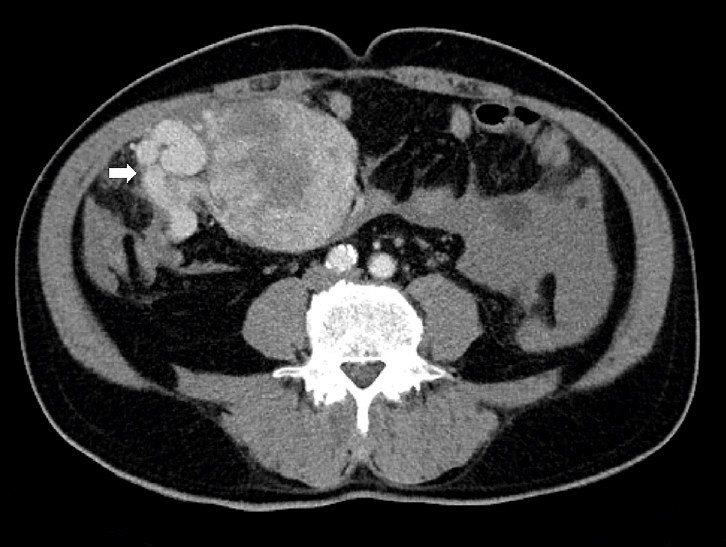
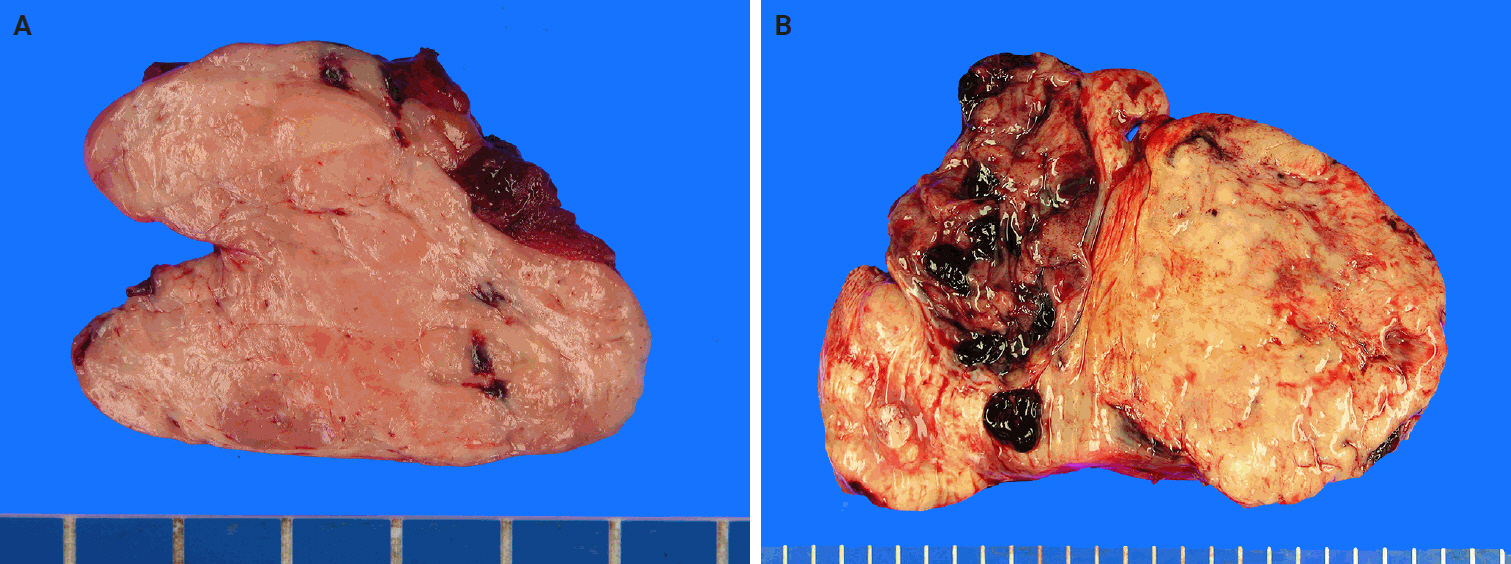
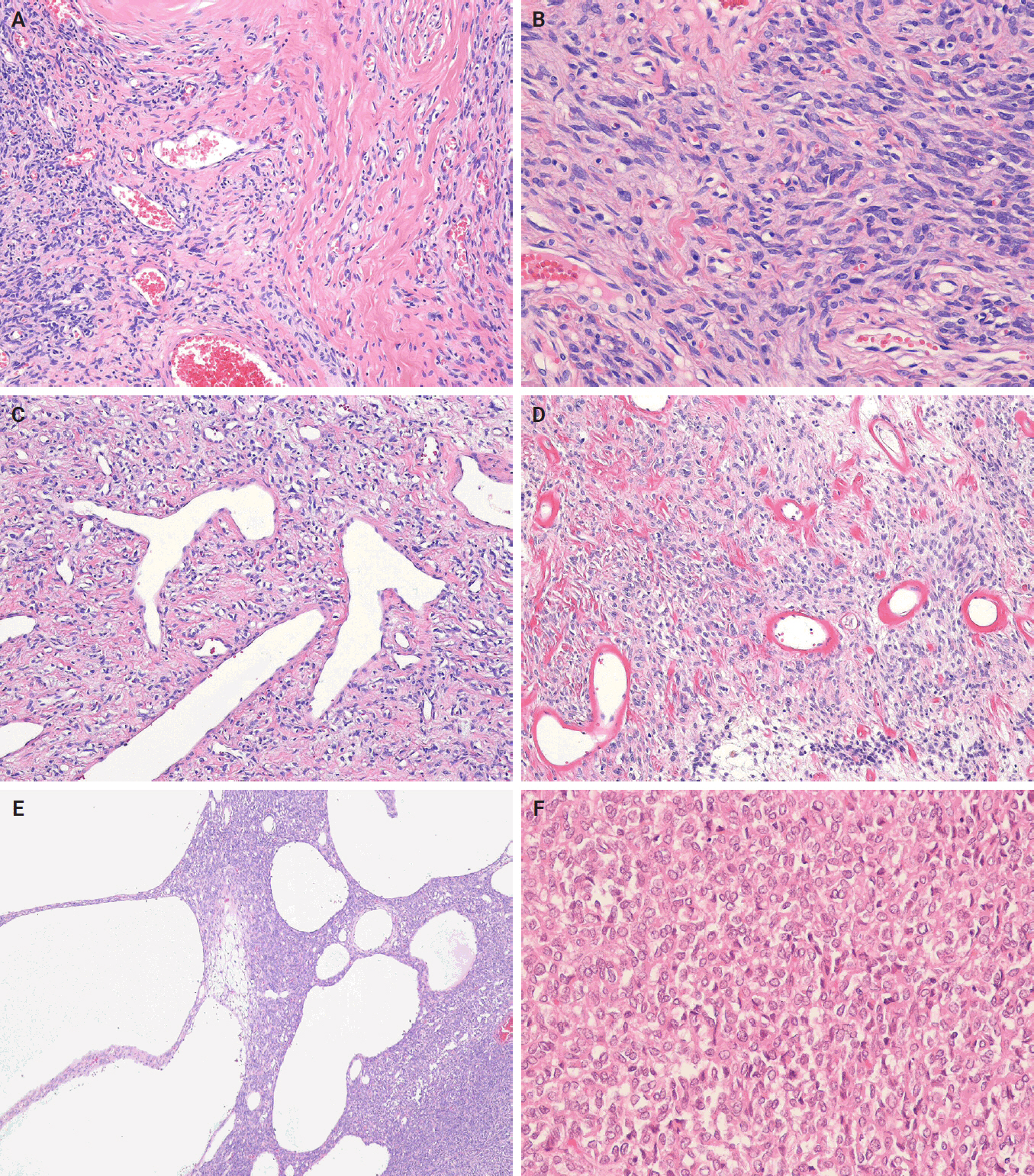
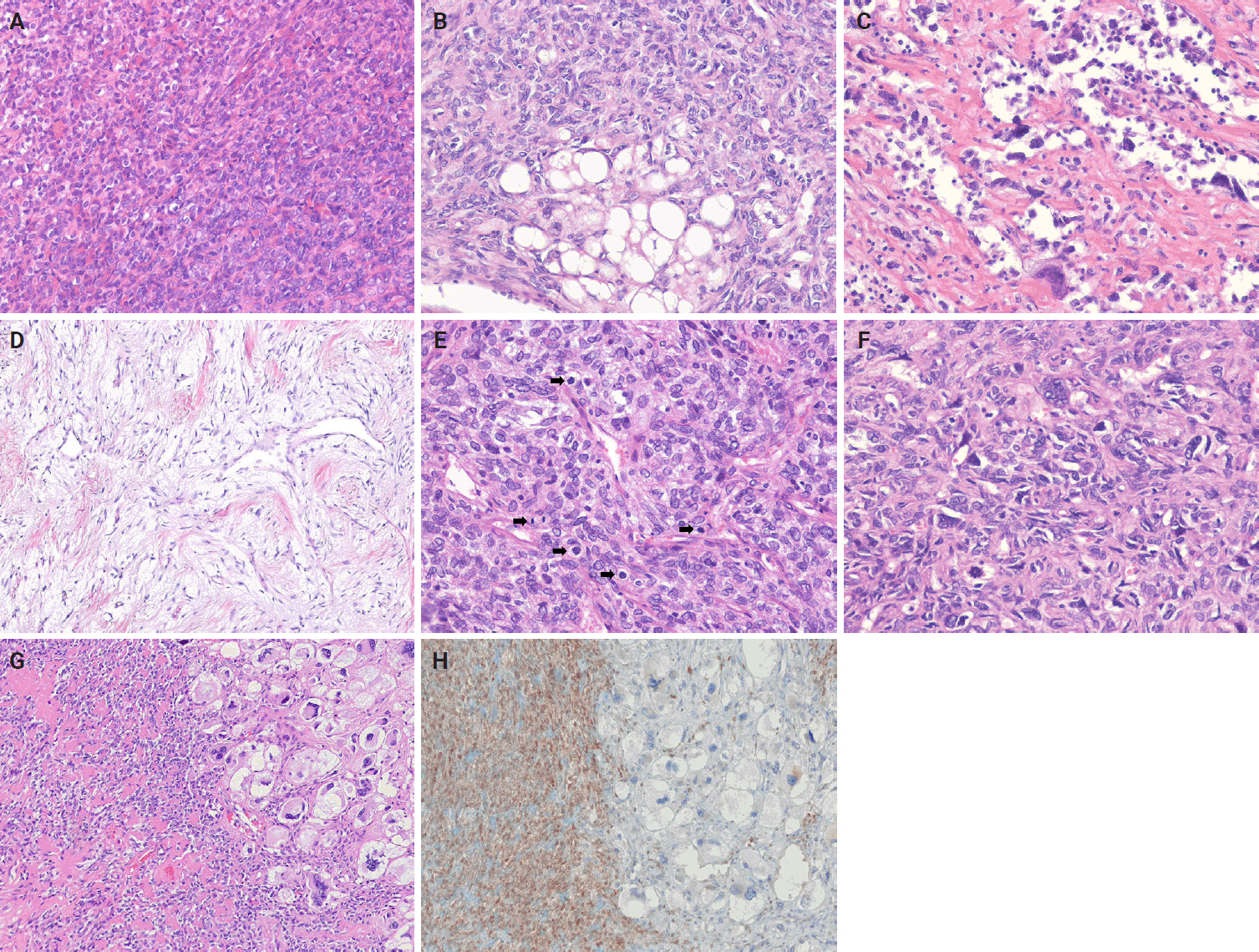
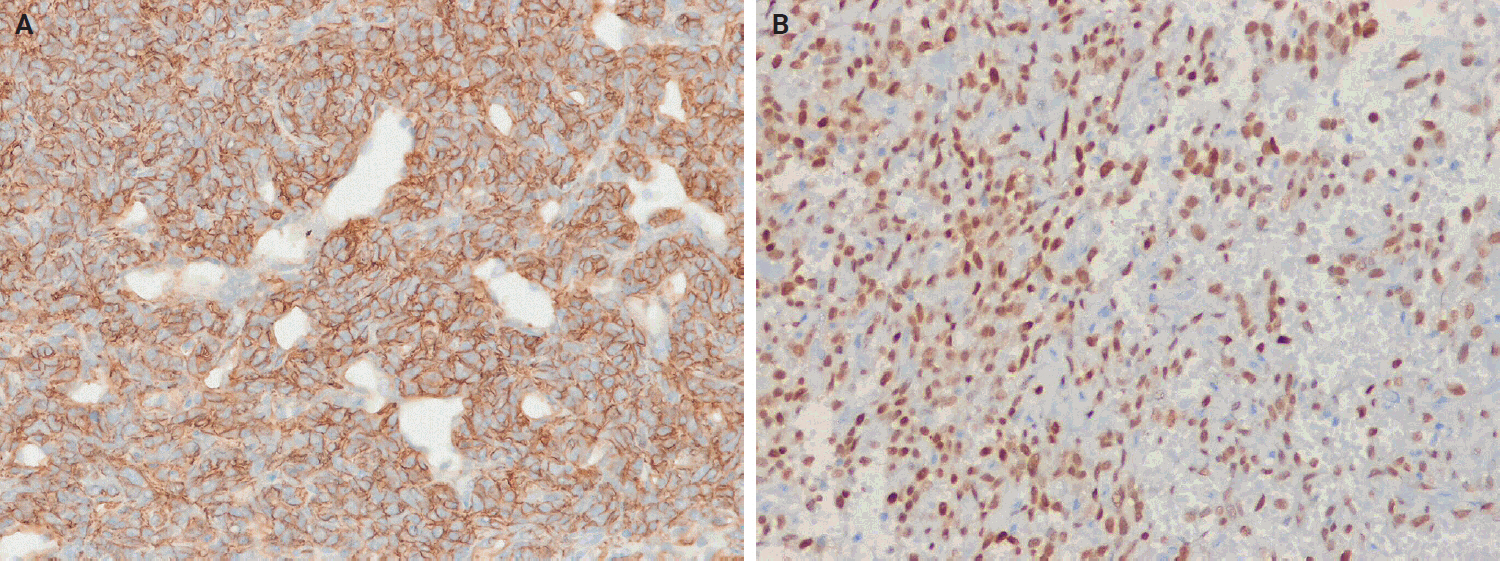
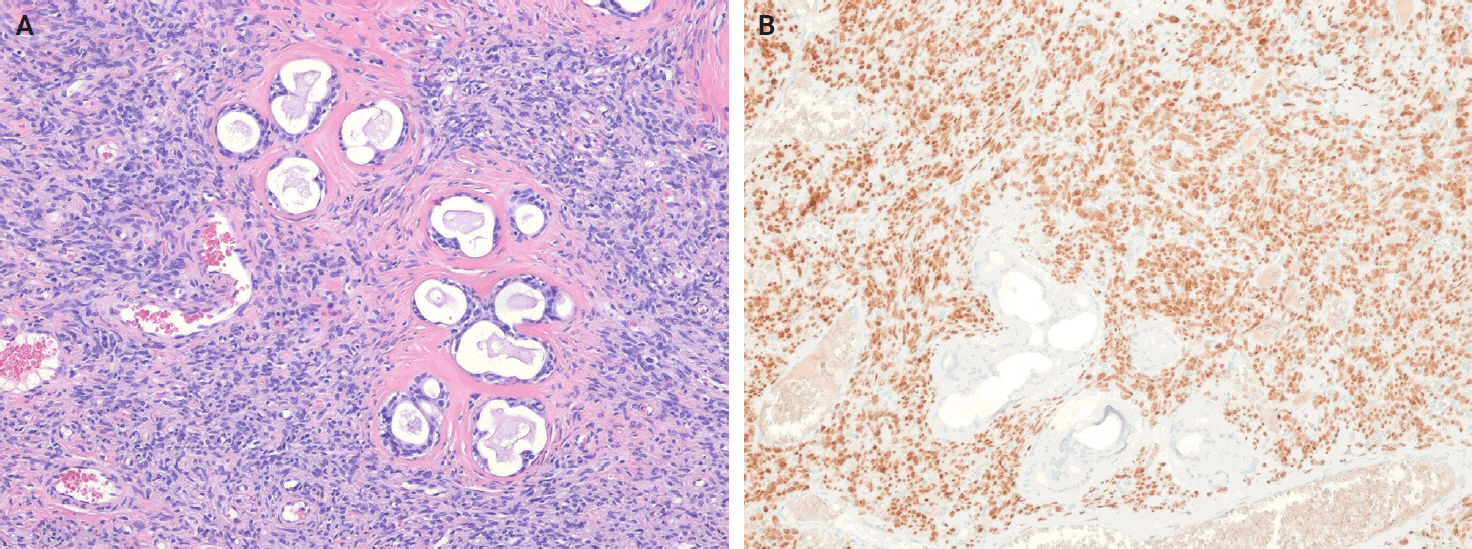
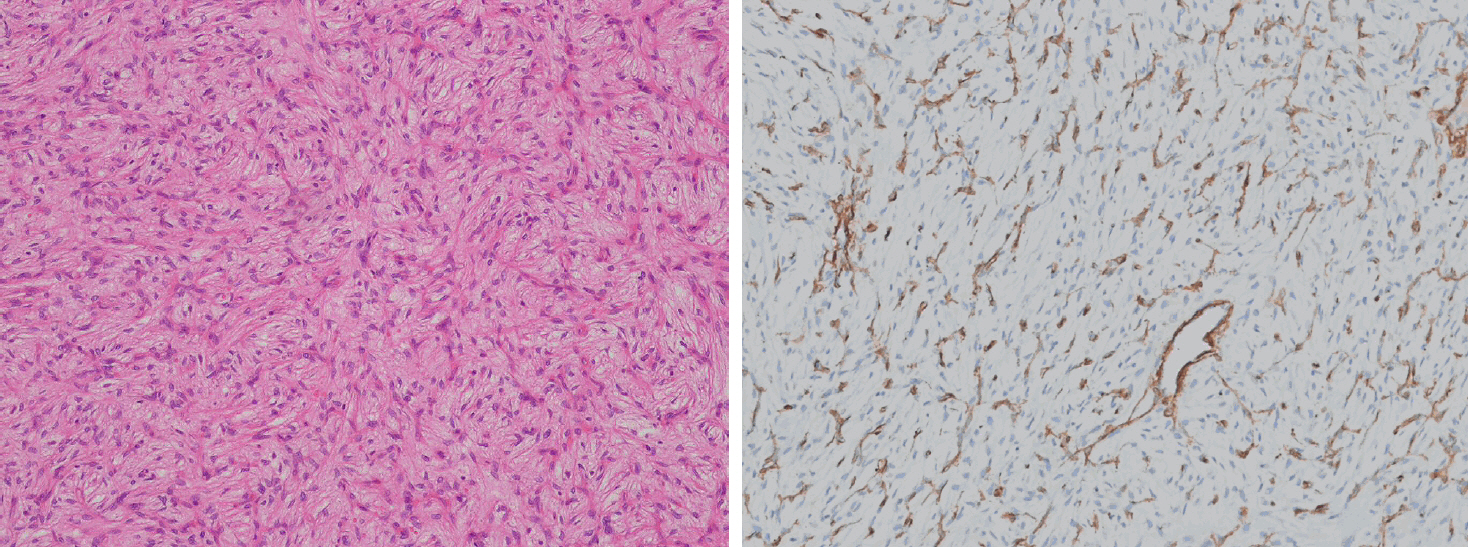
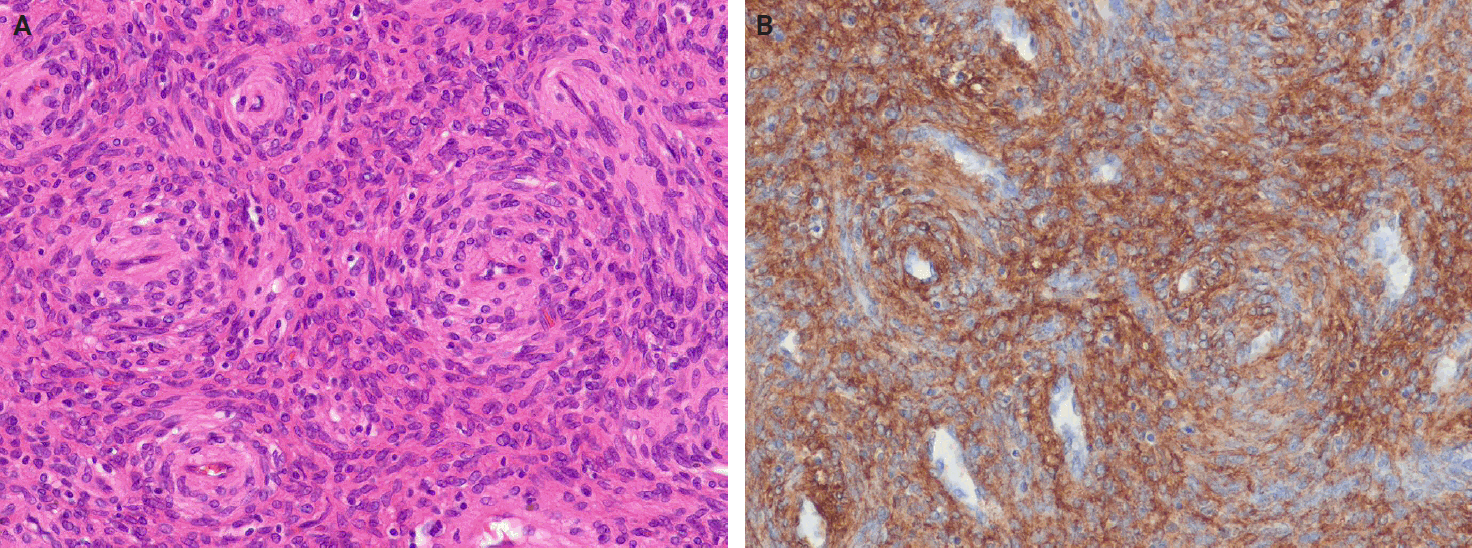
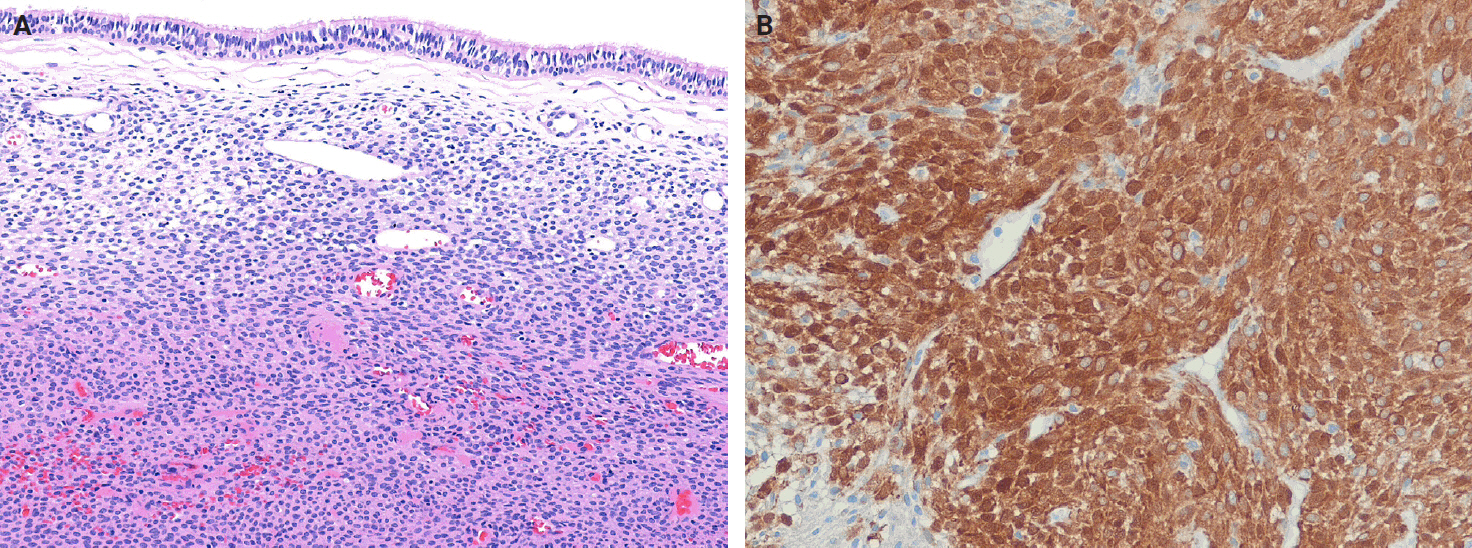
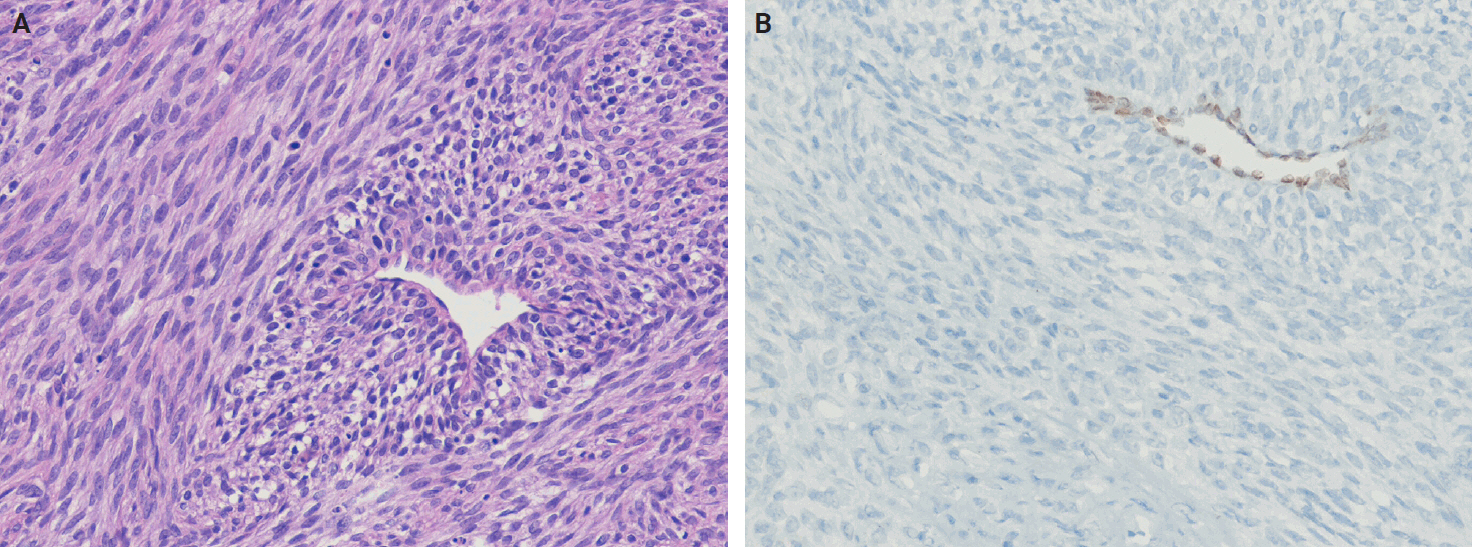
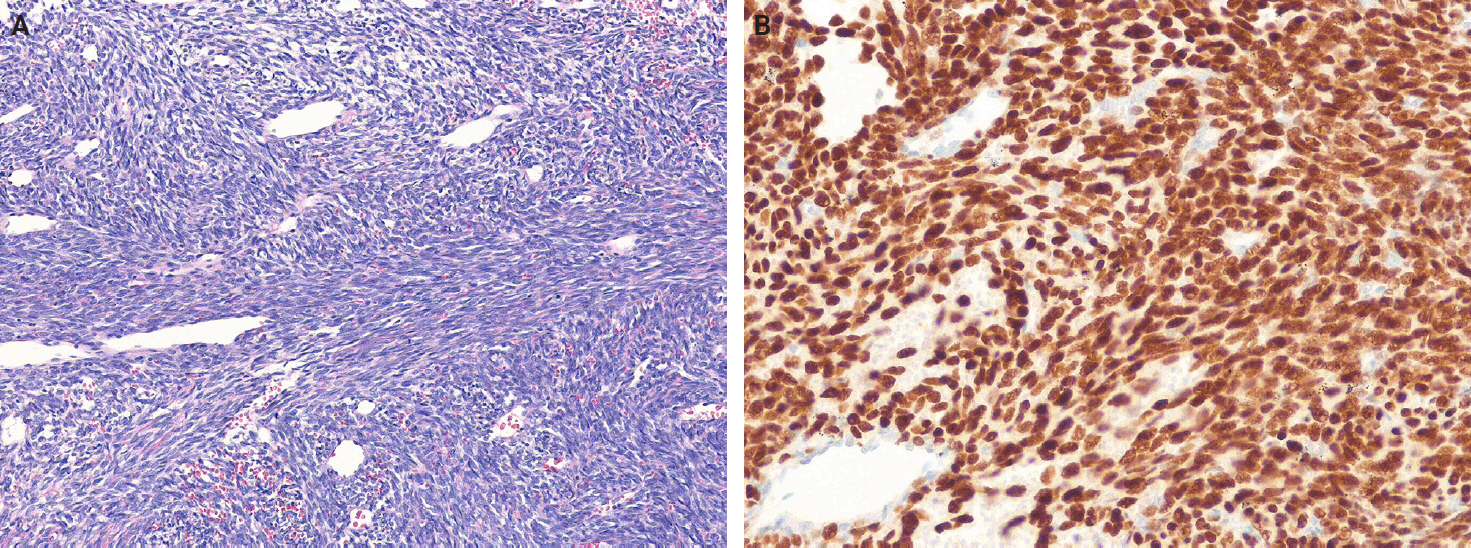
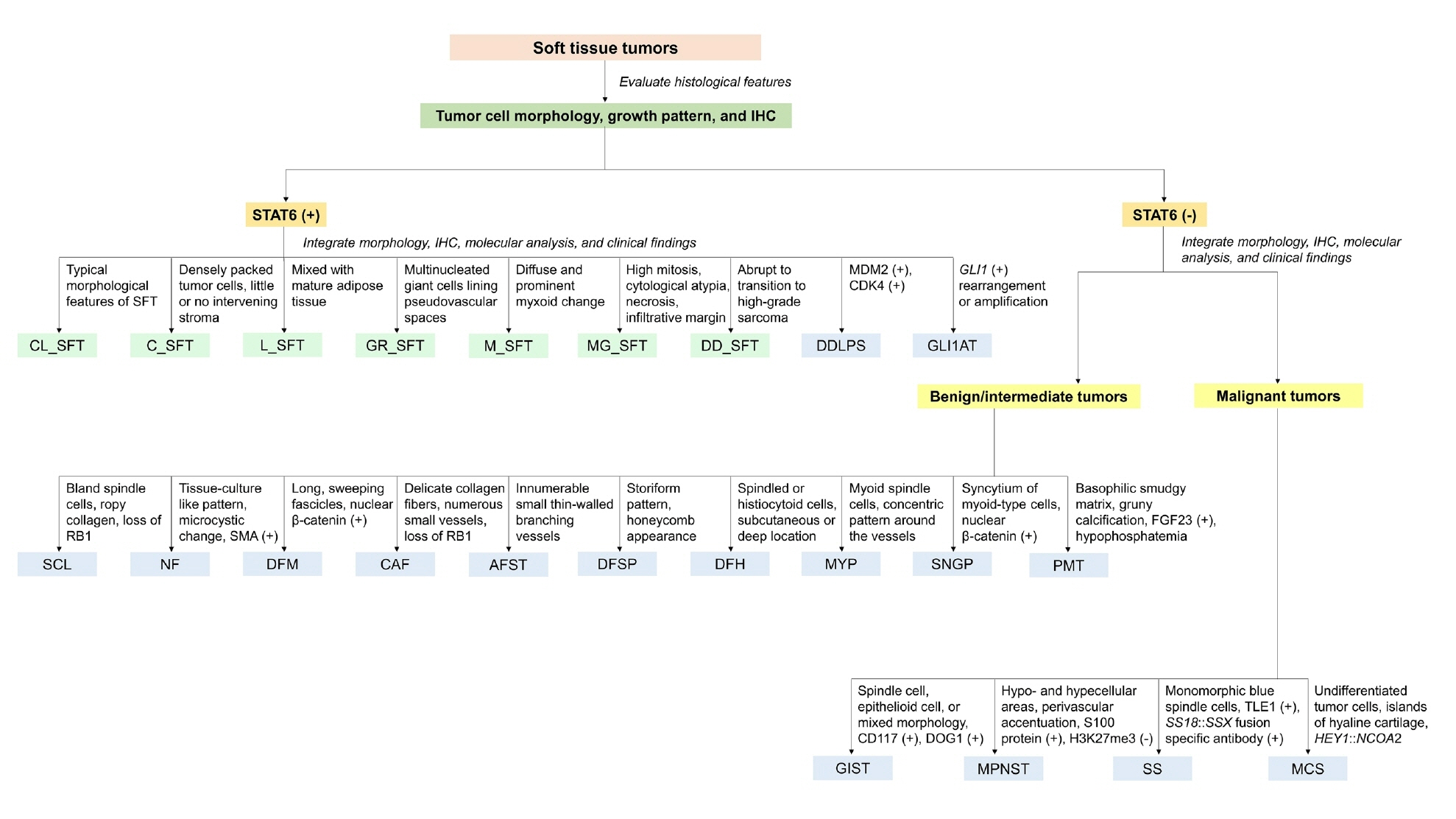
Figure & Data
References
Citations

- Clinicopathological characteristics and prognosis of central nervous system solitary fibrous tumor: An analysis of 271 cases
Wanwan Gao, Ming Li, Xiaojia Liu, Lingyang Hua, Hong Chen, Haixia Cheng
Pathology - Research and Practice.2026; 284: 156520. CrossRef - Pelvic solitary fibrous tumor, historically classified as hemangiopericytoma, presenting with venous compression and pelvic congestion: A case report
Dejan Svilar, Jovana Đošić, Anđela Đurić, Bojan Stojanović
Halo 194.2026; 32(1): 31. CrossRef - Robot-assisted laparoscopic resection of giant pelvic solitary fibrous tumor: a case report with literature review
Binbin Wang, Gengchen Huang, Wei Wei, Tie Mao, Zihan Gao, Yutao Ma, Yiming Gu
Frontiers in Oncology.2026;[Epub] CrossRef - Laparoscopic Resection of a Mesorectal Solitary Fibrous Tumor: A Case Report and Review of the Literature
Atsushi Sugimoto, Hiroshi Tsuchihashi, Hiroyuki Fujimoto, Masayasu Kawasaki
Cureus.2026;[Epub] CrossRef - Construction and Characterization of Paired Patient-Derived Cell Models for Solitary Fibrous Tumors (SFTs)
Farhan Vahdat Azad, Paulina I. Trevino, Aishwarya Kappagantu, Maliha Mehjabin, Eleni Balla, Clark A. Meyer, Leonidas Bleris, Yi Li
Cancers.2026; 18(15): 2385. CrossRef - Case report: Reactive nodular fibrous pseudotumor: report of 4 new cases including a rare pulmonary presentation and a literature review covering 40 cases
Xinyao Liu, Chenghui Wang, Weiran Kong, Bangdong Liu, Tianlun Li, Susu Shi, Linlin Zhang, Shuai Chen
Frontiers in Medicine.2026;[Epub] CrossRef - Clinical and hematological indices as prognosticators in localized solitary fibrous tumors: A retrospective study
Ariel Yoong Yi KOH, Ryan Mao Heng LIM, Jason Yongsheng CHAN
Therapeutic Advances in Medical Oncology.2026;[Epub] CrossRef - Intrapulmonary solitary fibrous tumor: clinicopathological analysis of 29 cases with emphasis on morphological spectrum and immunohistochemical profile
Xin Zeng, Xiaodong Lin, Lifang Ye, Zhenyong Wu, Zeyun Lin, Shuting Li
Diagnostic Pathology.2026;[Epub] CrossRef
 PubReader
 ePub Link
-
 Cite this Article
- Cite this Article
-
- Close
- Download Citation
- Close
 XML Download
- Figure
-
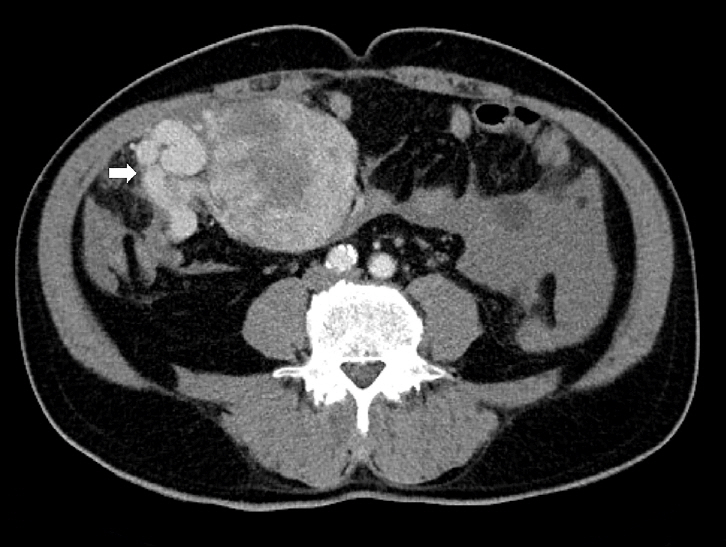
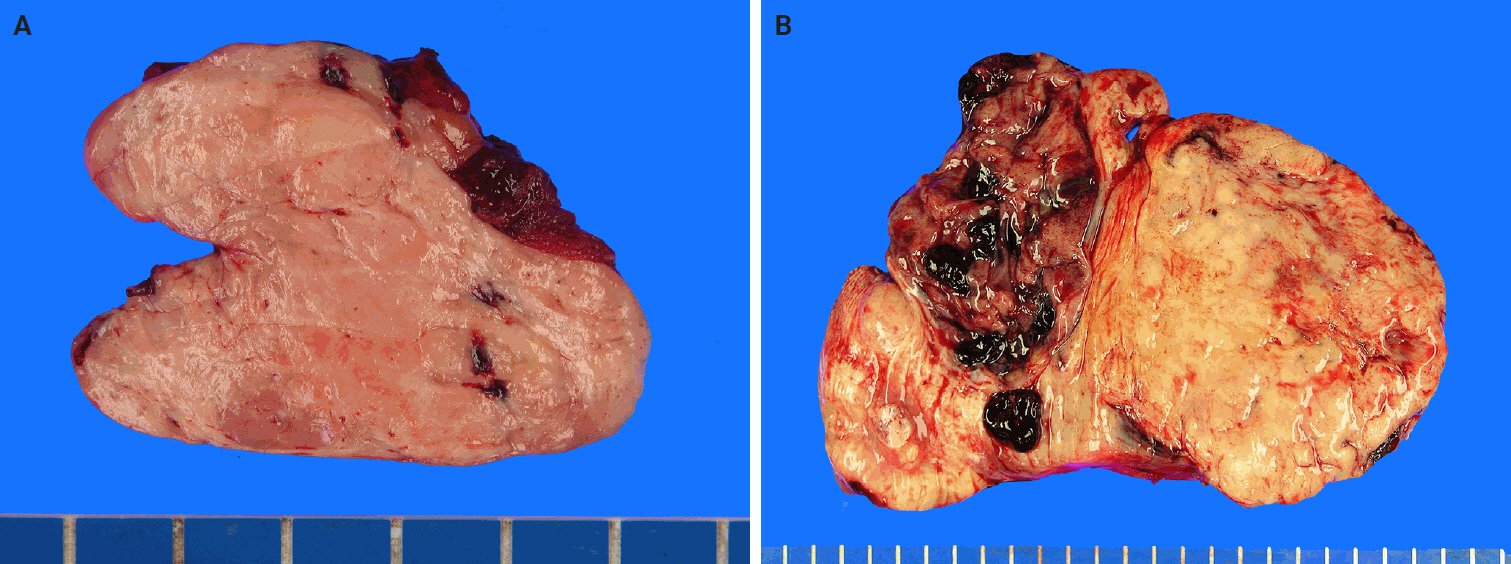
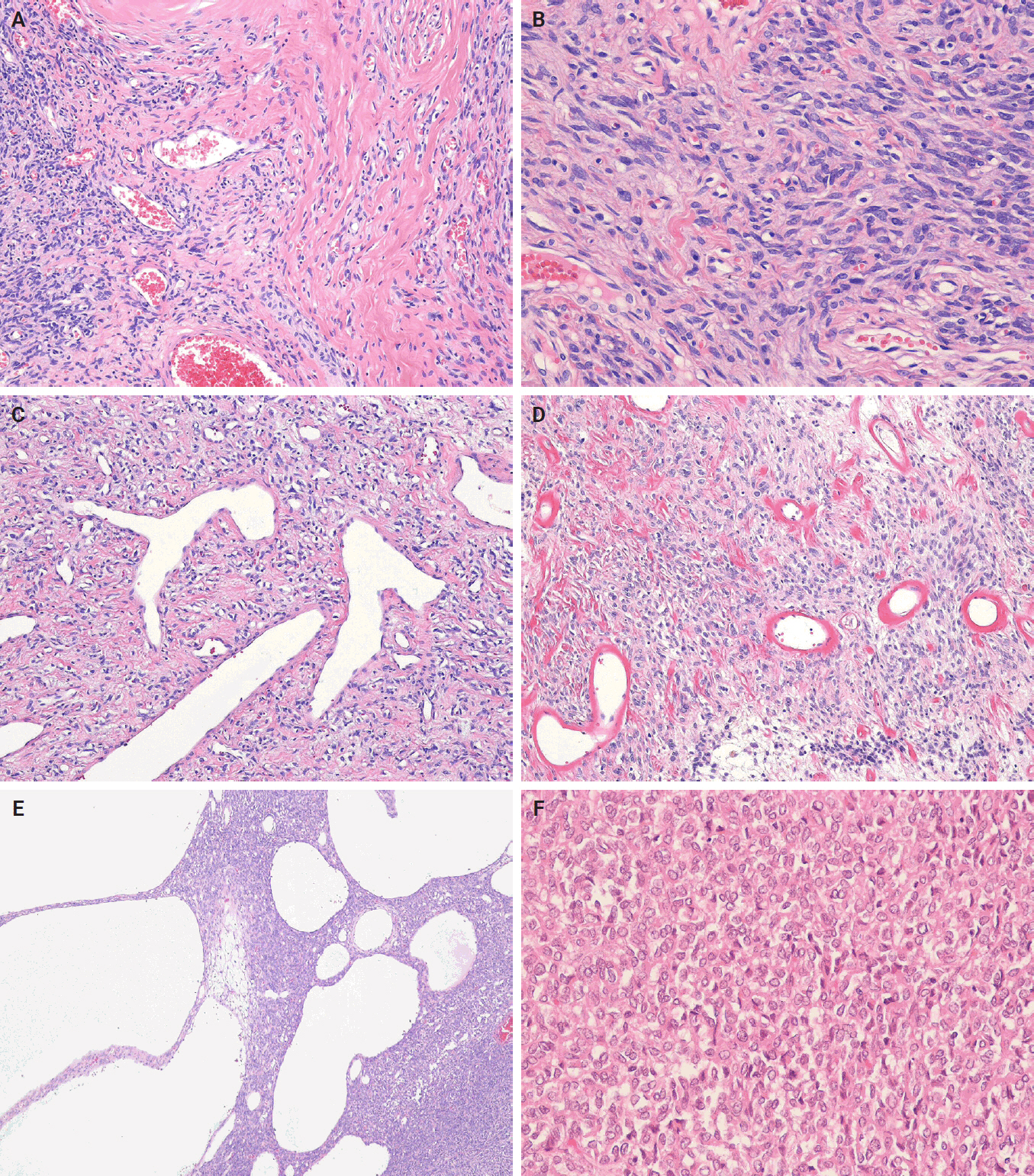
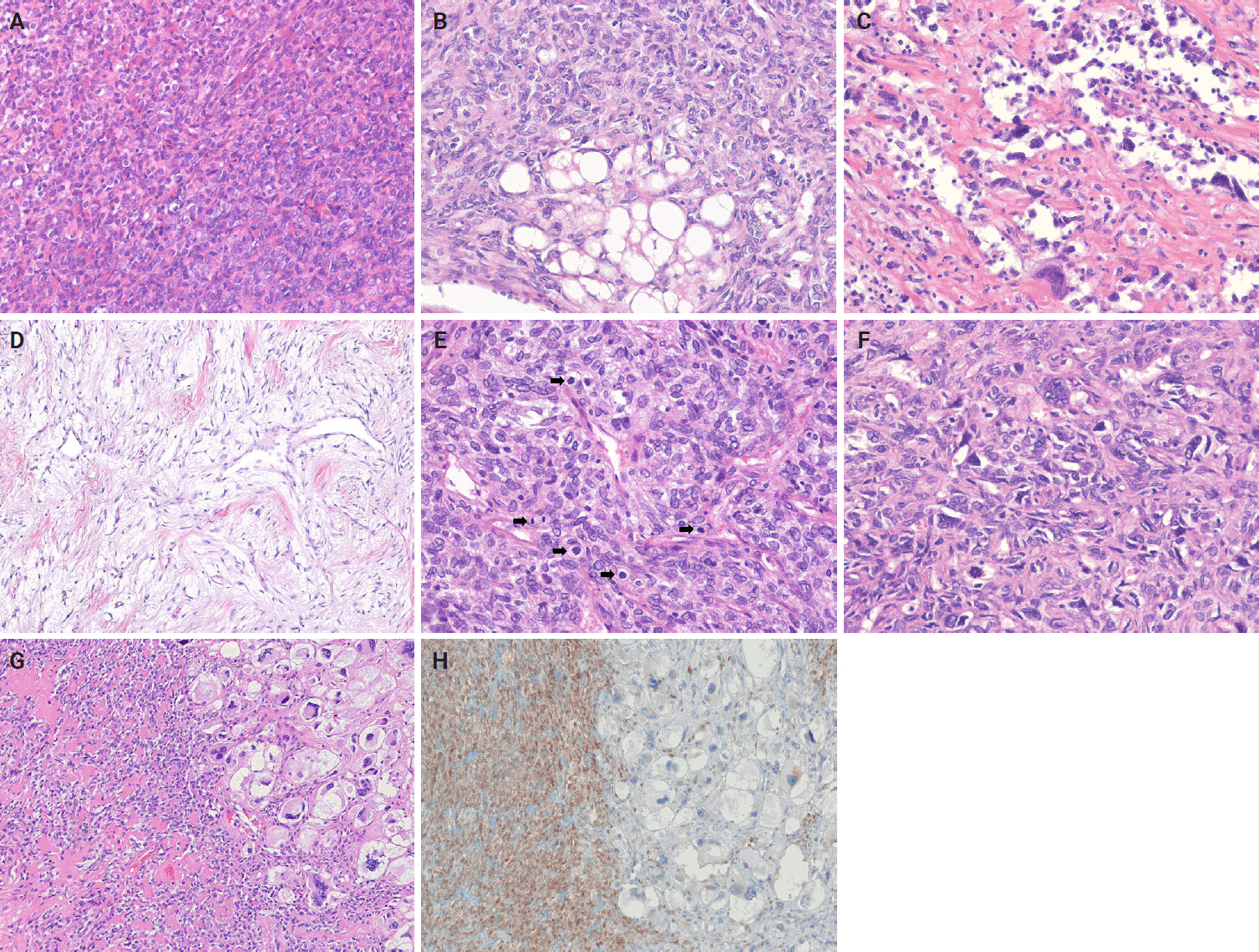
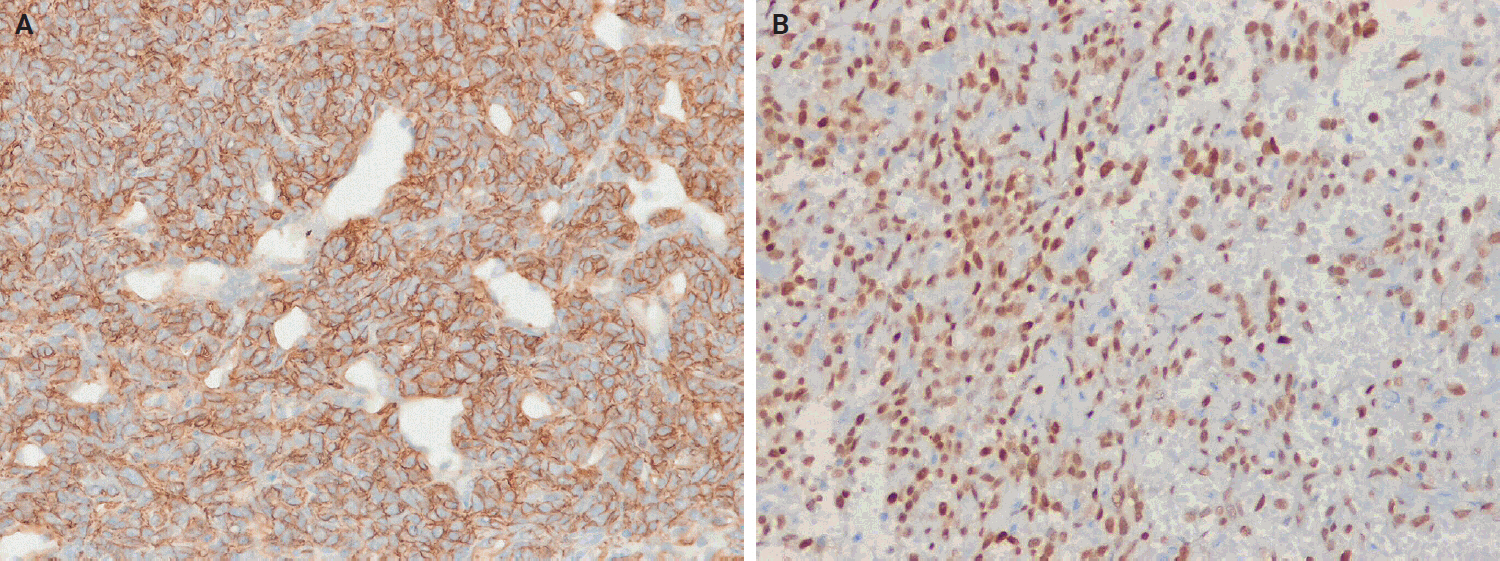
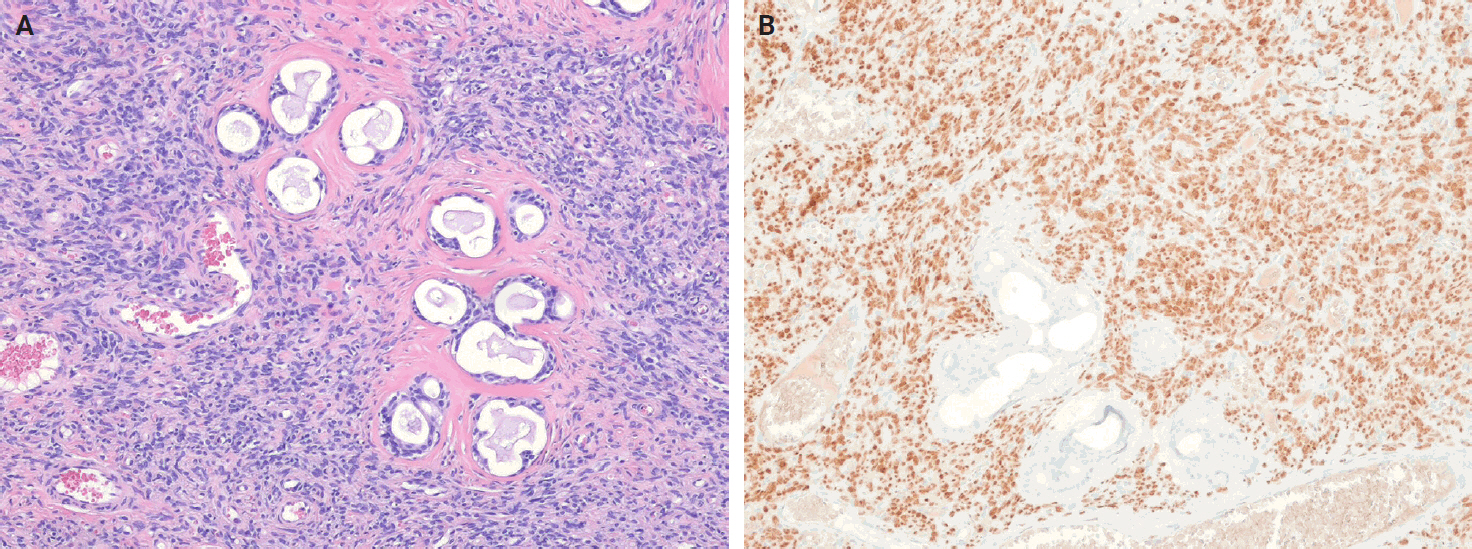
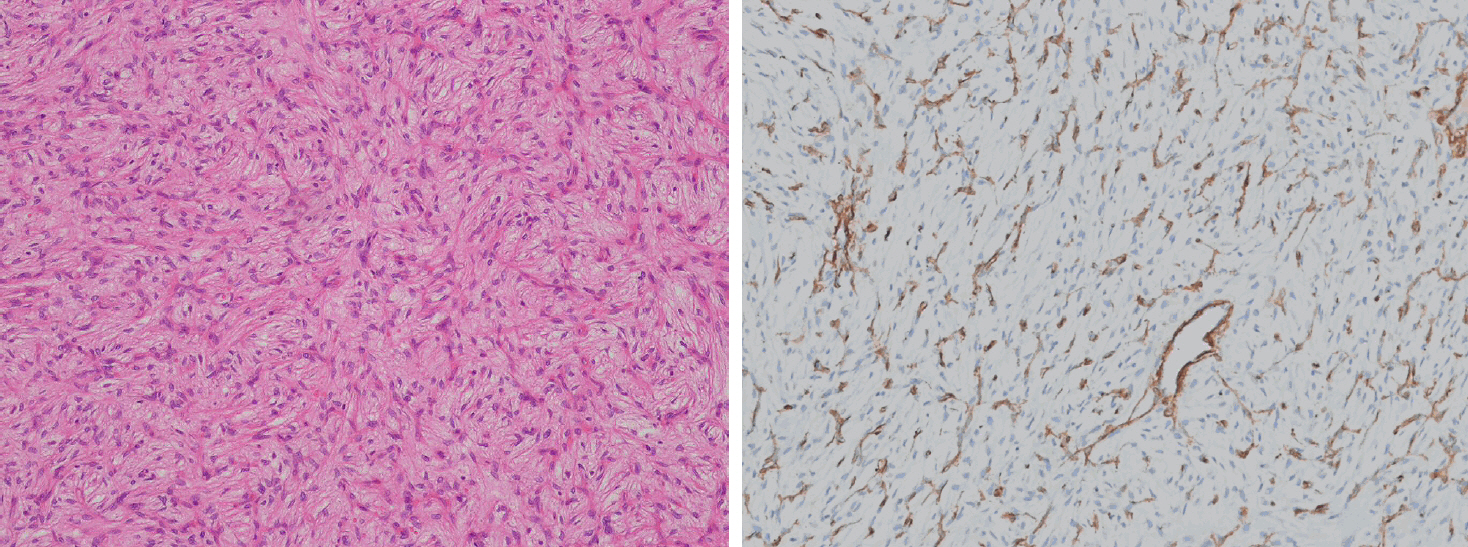
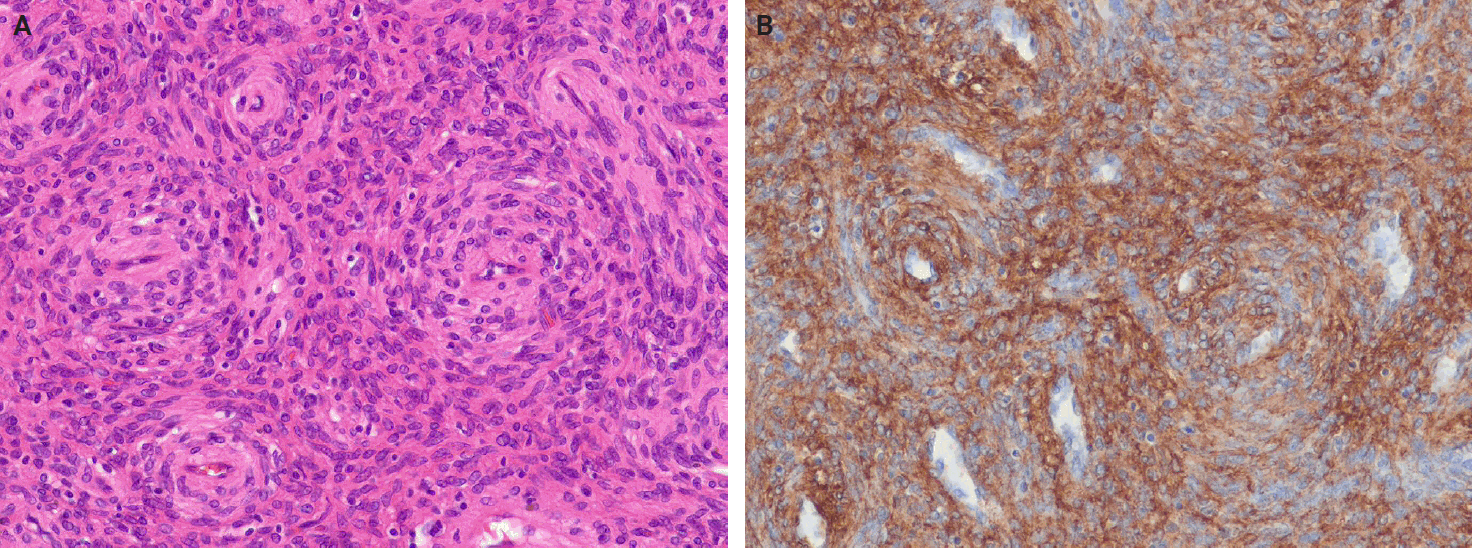
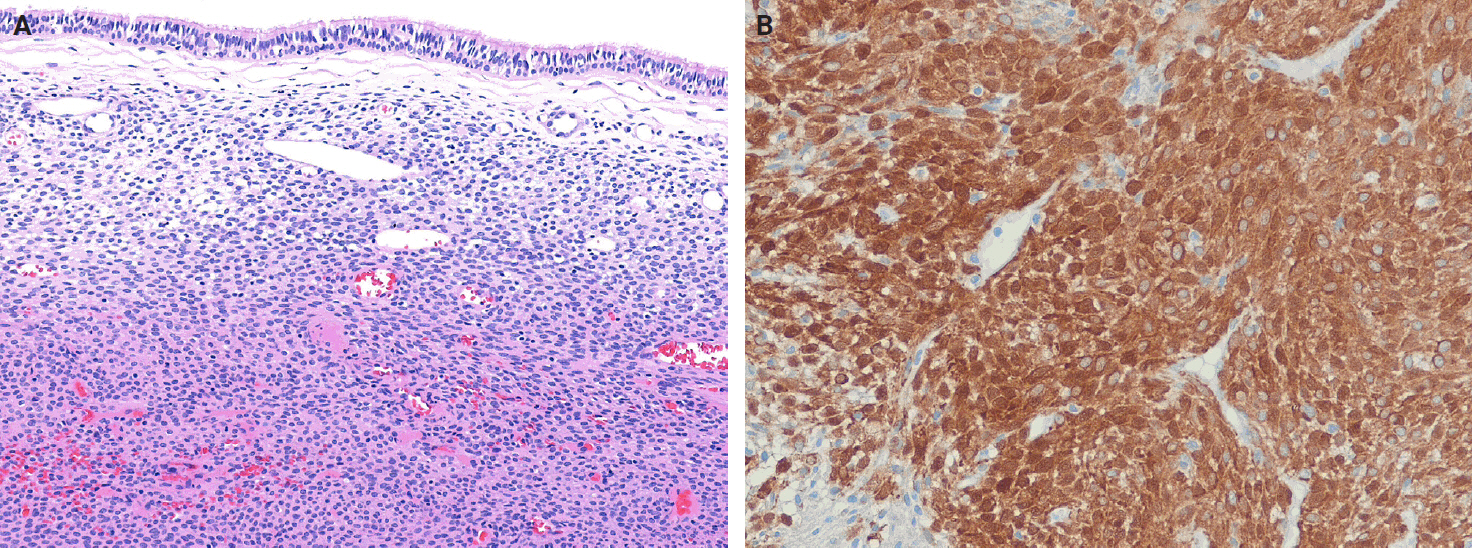
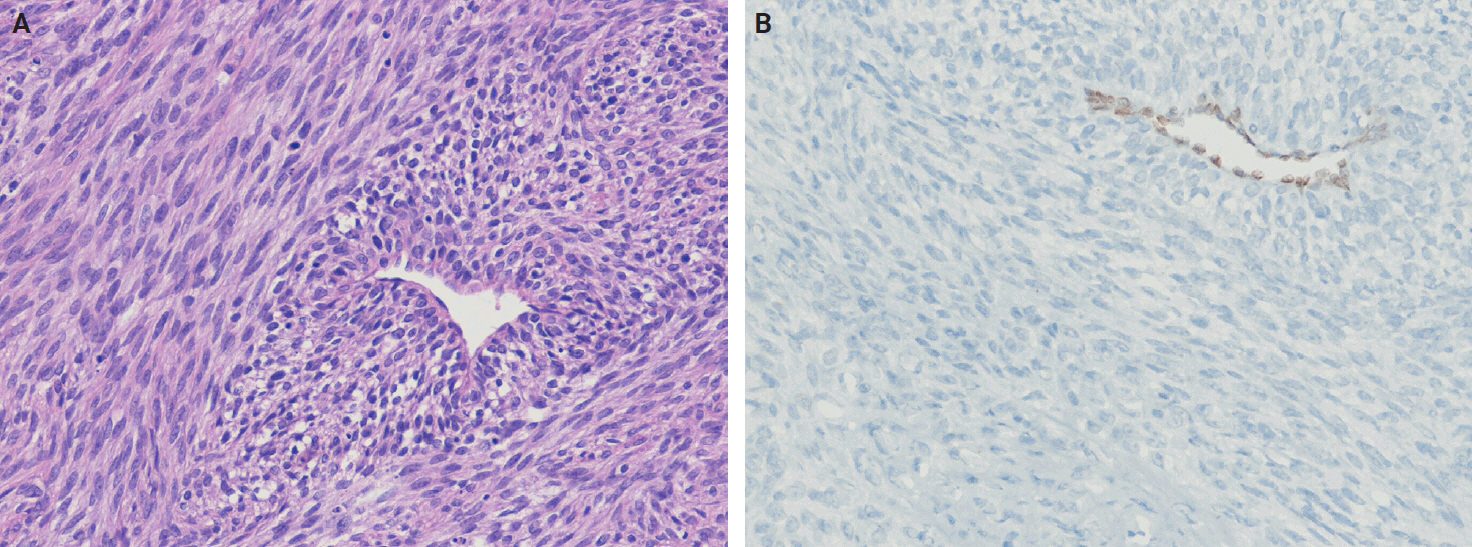
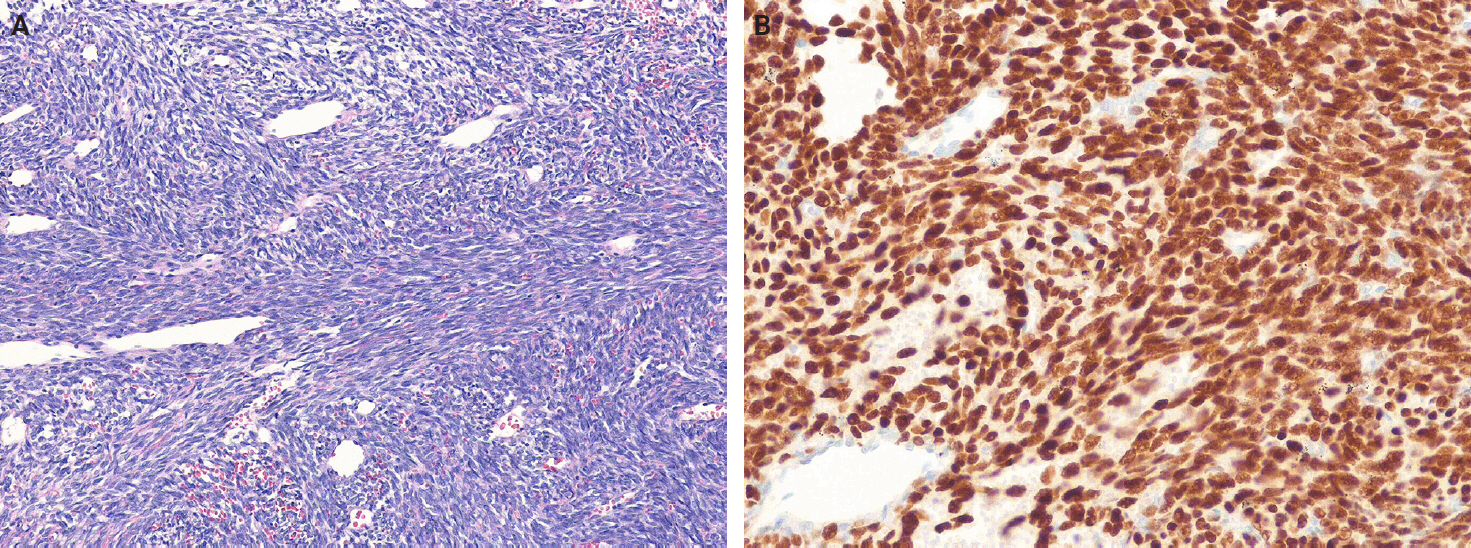
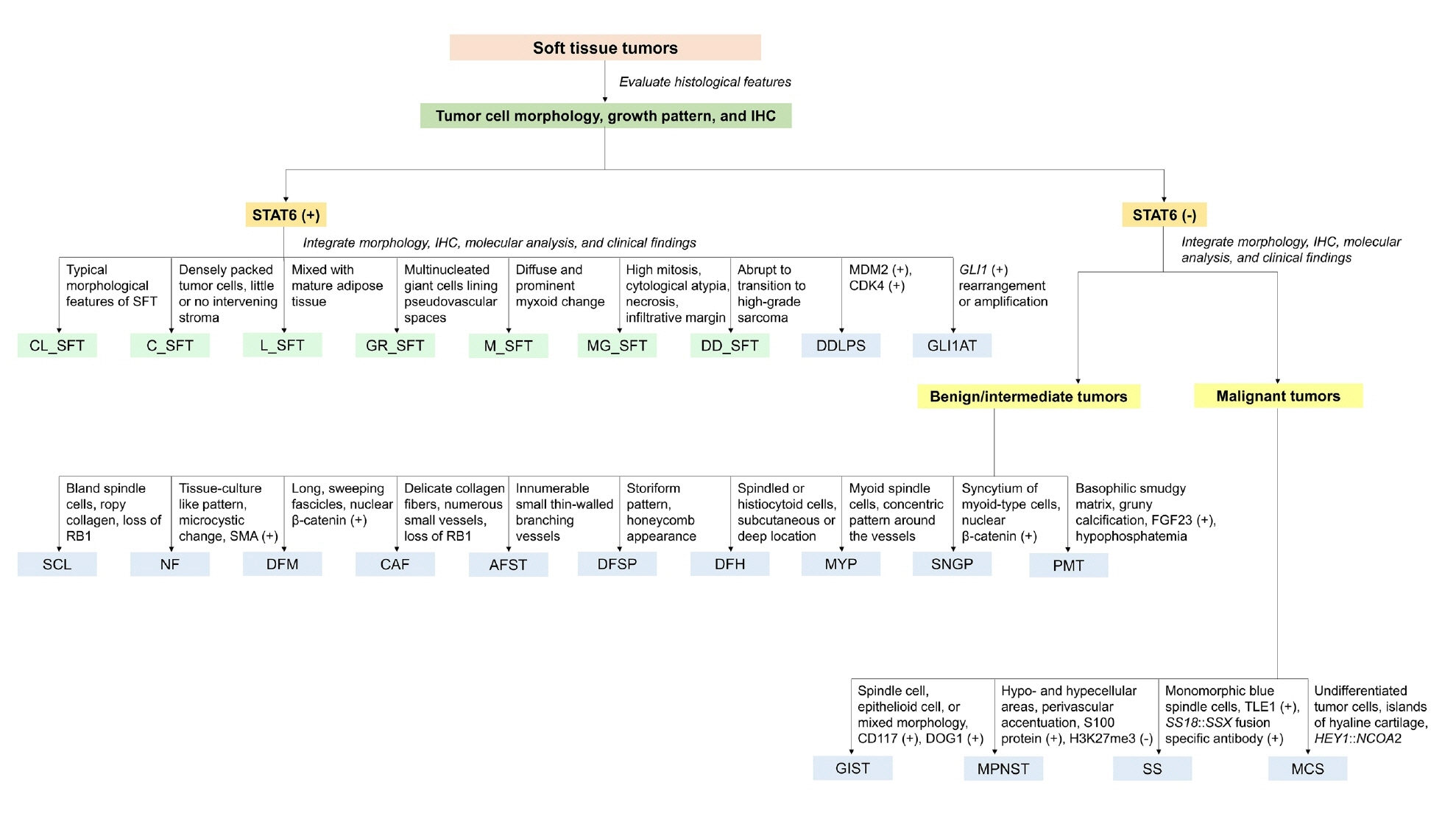












Fig. 1.
Fig. 2.
Fig. 3.
Fig. 4.
Fig. 5.
Fig. 6.
Fig. 7.
Fig. 8.
Fig. 9.
Fig. 10.
Fig. 11.
Fig. 12.
| Tumor type | Updated concept | Line of differentiation |
|---|---|---|
| Adult hemangiopericytoma | Reclassified as solitary fibrous tumor (cellular subtype) | Fibroblastic differentiation |
| Infantile hemangiopericytoma | Considered within the spectrum of infantile myofibromatosis | Pericytic (perivascular myoid) differentiation |
| Meningeal hemangiopericytoma | Reclassified as cellular/malignant solitary fibrous tumor | Fibroblastic differentiation |
| Sinonasal hemangiopericytoma | Reclassified as sinonasal glomangiopericytoma | Pericytic (perivascular myoid) differentiation |
| Immunostain | Approximate frequency (%) | Comment |
|---|---|---|
| Fusion-related marker | ||
| STAT6 | >95 | Strong, diffuse nuclear staining; highly sensitive and specific surrogate for NAB2::STAT6 gene fusion, although rare exceptions have been reported in other tumors |
| Markers discovered by gene expression profiling | ||
| ALDH1 | 75–95 | Stem cell marker; not entirely specific |
| GRIA2 | 60–80 | Relatively specific; limited commercial availability |
| TLE1 | <10 | Rarely positive; not diagnostically useful |
| Endothelial marker | ||
| CD34 | 90–95 | Commonly positive; may be lost in dedifferentiated SFT |
| Neuroectodermal marker | ||
| CD99 | ~70 | Nonspecific; also positive in other tumors |
| Muscle markers | ||
| SMA | 20–35 | Nonspecific; focal expression |
| Desmin | <5 | Usually negative |
| Nerve sheath marker | ||
| S100 protein | ~15 | Focal expression; may mimic nerve sheath tumors; potential diagnostic pitfall |
| Epithelial markers | ||
| EMA | 20–35 | Focal expression; potential diagnostic pitfall |
| Cytokeratins | <10 | Rare focal expression; may be confused with carcinoma |
| PAX8 | ~40 | Relatively frequent expression; not a specific marker of SFT; potential diagnostic pitfall |
| Prognostic markers | ||
| p53 | Variable | Aberrant expression associated with malignant/dedifferentiated SFT |
| p16 | Variable | Overexpression may be associated with aggressive behavior |
| Others | ||
| BCL2 | ~30 | Frequently expressed but nonspecific; limited diagnostic value |
| Tumor type | Clinical feature | Histological feature | Immunohistochemistry | Molecular feature |
|---|---|---|---|---|
| Spindle cell lipoma | Men aged 45–60 years; posterior neck, back, shoulders | Bland spindle cells, mature adipose tissue, myxoid stroma, ropy collagen | CD34 (+); loss of RB1 protein expression | Loss of chromosome 13q14, including RB1 |
| Nodular fasciitis | Young adults; subcutaneous tissue of extremities; usually <3 cm in size | Fibroblasts and myofibroblasts in tissue culture-like growth pattern, myxoid, microcystic changes | SMA (+), often diffuse; desmin (±) | USP6 rearrangement |
| Desmoid fibromatosis | Young to middle-aged adult; female predominance; abdominal wall, extremities, mesentery | Uniform fibroblasts arranged in long sweeping fascicles, collagen deposition | SMA (+); desmin (±); nuclear β-catenin (+) in the majority of cases | Somatic mutations in CTNNB1; inactivating germline mutations in APC |
| Cellular angiofibroma | Women (5th decade) and men (7th decade); vulvar and inguinoscrotal sites | Bland spindle cells with delicate collagen fibers, small- to medium-sized thick-walled vessels | CD34 (+); SMA (±); desmin (±); loss of RB1 protein expression | Loss of chromosome 13q14, including RB1 |
| Angiofibroma of soft tissue | Middle-aged adults (6th decade); extremities, most commonly legs | Bland spindle cells in myxoid or collagenous stroma with small thin-walled branching blood vessels | SMA (+); desmin (±) | t(5;8)(p15;q13); AHRR::NCOA2 |
| Dermatofibrosarcoma protuberans | Young to middle-aged adults; trunk, proximal extremities, head and neck region | Uniform spindle cells arranged in a storiform pattern with fat infiltration showing a honeycomb pattern | CD34 (+) | COL1A1::PDGFB |
| Deep fibrous histiocytoma | Broad age range (median 37 years); most commonly subcutaneous; extremities, head and neck | Monomorphic spindle or histiocytoid cells in storiform or fascicular pattern | CD34 (+) in approximately 40% of cases | PRKCB or PRKCD rearrangements |
| Myopericytoma | Any age, most often adults; extremities, neck, trunk, oral cavity | Bland, myoid-appearing spindle cells in a concentric perivascular growth pattern | SMA (+); caldesmon (+); desmin (±); CD34 (±) | PDGFRB mutations; SRF::RELA (cellular/atypical myofibromas) |
| Sinonasal glomangiopericytoma | Any age, most common in adults; sinonasal tract, particularly turbinate and septum | Ovoid to spindle cells, syncytial arrangement, thin-walled staghorn-shaped vessels | SMA (+); nuclear β-catenin (+) | Mutations in CTNNB1 exon 3 |
| Dedifferentiated liposarcoma | Middle-aged adults; retroperitoneum, spermatic cord, mediastinum | Abrupt transition from WDLPS to spindle cell or pleomorphic non-lipogenic sarcoma | MDM2 (+); CDK4 (+) | MDM2 and CDK4 amplification |
| Gastrointestinal stromal tumor | Any age (peak in the 6th decade); gastrointestinal tract, mesentery, omentum | Relatively monomorphic spindle cells, epithelioid cells, or mixture of both | CD117 (+), DOG1 (+); PDGFRA (+) |
KIT or PDGFRA mutations |
| Malignant peripheral nerve sheath tumor | Older adults, but can occur across a wide age range; trunk, extremities, head and neck | Spindle cells arranged in fascicles with alternating hypocellular and hypercellular areas, often with necrosis | S100 protein (+) |
Mutations in NF1, CDKN2A/CDKN2B, PRC2 core components (EED or SUZ12) |
| Synovial sarcoma | Adolescents and young adults; extremities, trunk, head and neck | Monophasic (monomorphic spindle cells), biphasic, poorly differentiated patterns | SS18::SSX fusion–specific antibody (+), SSX-specific antibody (+); TLE1 (+) | SS18::SSX1, SS18::SSX2, or SS18::SSX4 |
| Phosphaturic mesenchymal tumor | Middle‑aged adults; any site; typically associated with hypophosphatemia and osteomalacia | Bland spindle-shaped cells with grungy calcification and a prominent vascular network | ERG (+); SATB2 (+); CD56 (+); FGF23 (+) | FN1::FGFR1, FN1::FGF |
| Mesenchymal chondrosarcoma | Adolescents and young adults; bone, soft tissue, and meninges | Undifferentiated round tumor cells with islands of cartilage and staghorn-shaped vascular pattern | CD99 (+); SOX9 (+); NKX2.2 (+); desmin (±); myogenin (±) | HEY1::NCOA2 |
| Risk factor | Cut-off | Points (3-variable model) | Points (4-variable model) |
|---|---|---|---|
| Patient age (yr) | <55 | 0 | 0 |
| ≥55 | 1 | 1 | |
| Mitoses per mm2 (mitoses per 10 HPFs) | 0 (0) | 0 | 0 |
| 0.5−1.5 (1−3) | 1 | 1 | |
| ≥2 (≥4) | 2 | 2 | |
| Tumor size (cm) | 0−4.9 | 0 | 0 |
| 5−9.9 | 1 | 1 | |
| 10−14.9 | 2 | 2 | |
| ≥15 | 3 | 3 | |
| Tumor necrosis | <10% | N/A | 0 |
| ≥10% | N/A | 1 | |
| Risk category (total points) |
Low risk | 0−2 | 0−3 |
| Intermediate risk | 3−4 | 4−5 | |
| High risk | 5−6 | 6−7 |
STAT6, signal transducer and activator of transcription 6; ALDH1, aldehyde dehydrogenase 1; GRIA2, glutamate ionotropic receptor AMPA type subunit 2; TLE1, transducin-like enhancer of split 1; SMA, smooth muscle actin; EMA, epithelial membrane antigen; PAX8, paired box gene 8; SFT, solitary fibrous tumor; BCL2, B-cell lymphoma 2. STAT6 is rarely expressed in dedifferentiated liposarcoma and
+, positive staining; RB1, retinoblastoma 1; SMA, smooth muscle actin; ±, variable staining; WDLPS, well-differentiated liposarcoma; MDM2, mouse double minute 2; CDK4, cyclin-dependent kinase 4; DOG1, discovered on GIST-1; PDGFRA, platelet-derived growth factor receptor alpha; SDHB, succinate dehydrogenase subunit B; SOX10, SRY-box transcription factor 10; PRC2, polycomb repressive complex 2; H3K27me3, trimethylation of histone H3 at lysine 27; TLE1, transducin-like enhancer of split 1; ERG, ETS-related gene; SATB2, special AT-rich sequence-binding protein 2; FGF23, fibroblast growth factor 23; NKX2.2, NK2 homeobox 2. Succinate dehydrogenase-deficient gastrointestinal stromal tumors show complete loss of SDHB staining; S100 protein is focally positive in 50%–60% of cases.
HPF, high-power field; N/A, not applicable. Point ranges indicate cumulative risk scores.


